
Intumescent Paint: Complete Guide to Fire Protection Coatings
Apr 15, 2026
Advanced Fire Protection That Expands to Save Lives and Property
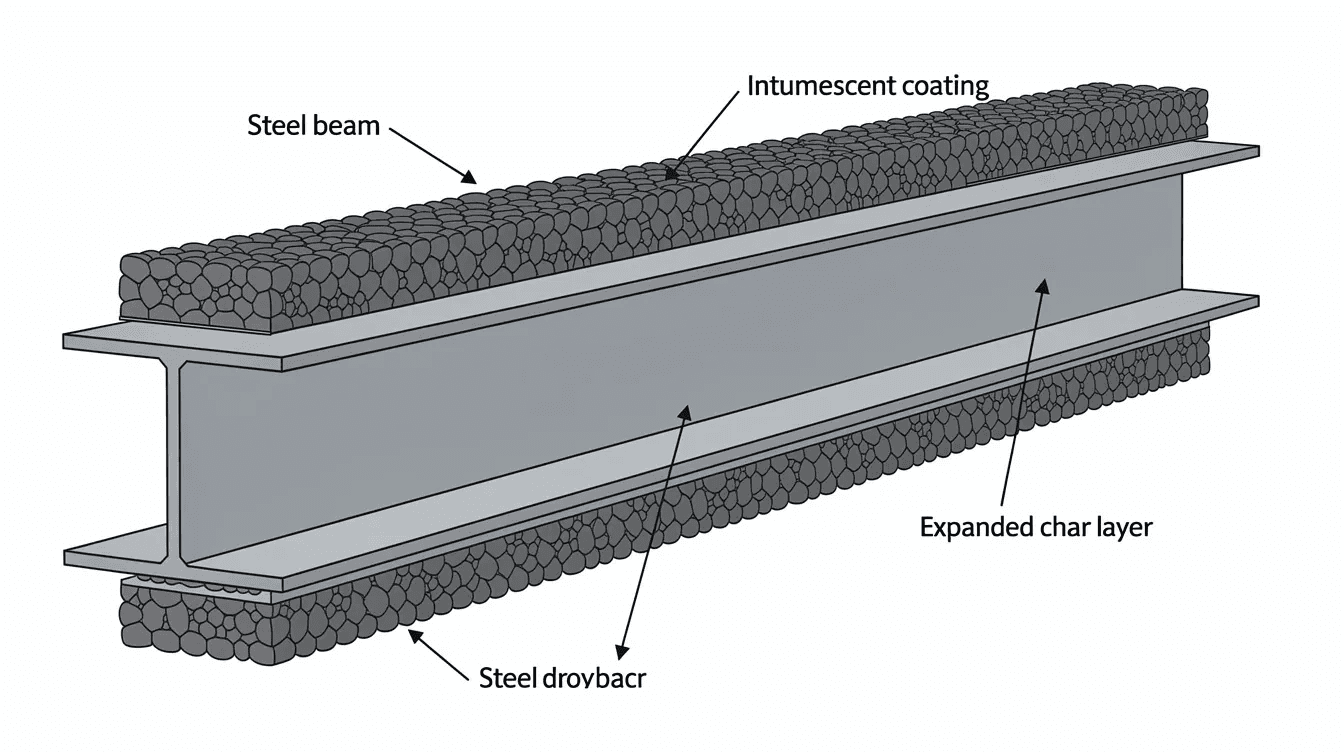
IIntumescent paint is a fire-protection coating that stays thin and inactive at normal temperatures. When a fire starts and surface temperatures reach roughly 350–400°F, the coating reacts chemically and swells, expanding up to 100 times its original thickness in minutes.
That expansion forms a thick, insulating char layer. The char slows how fast heat reaches the material underneath, buying critical time for people to evacuate and firefighters to respond.
Intumescent paint is used on structural steel, exposed wood, foam insulation, and other building materials where code requires fire-rated protection but a thick, bulky fireproofing product isn't an option.
The protection time provided by intumescent products gives emergency services critical minutes for response and enables safe evacuation of building occupants.
Why Choose Intumescent Paint Over Other Fireproofing
It's code-compliant. Contego's intumescent paint is tested to ASTM E-119 and UL 263 (and equivalent standards like ULC S101), meeting building code fire-resistance requirements for structural steel.
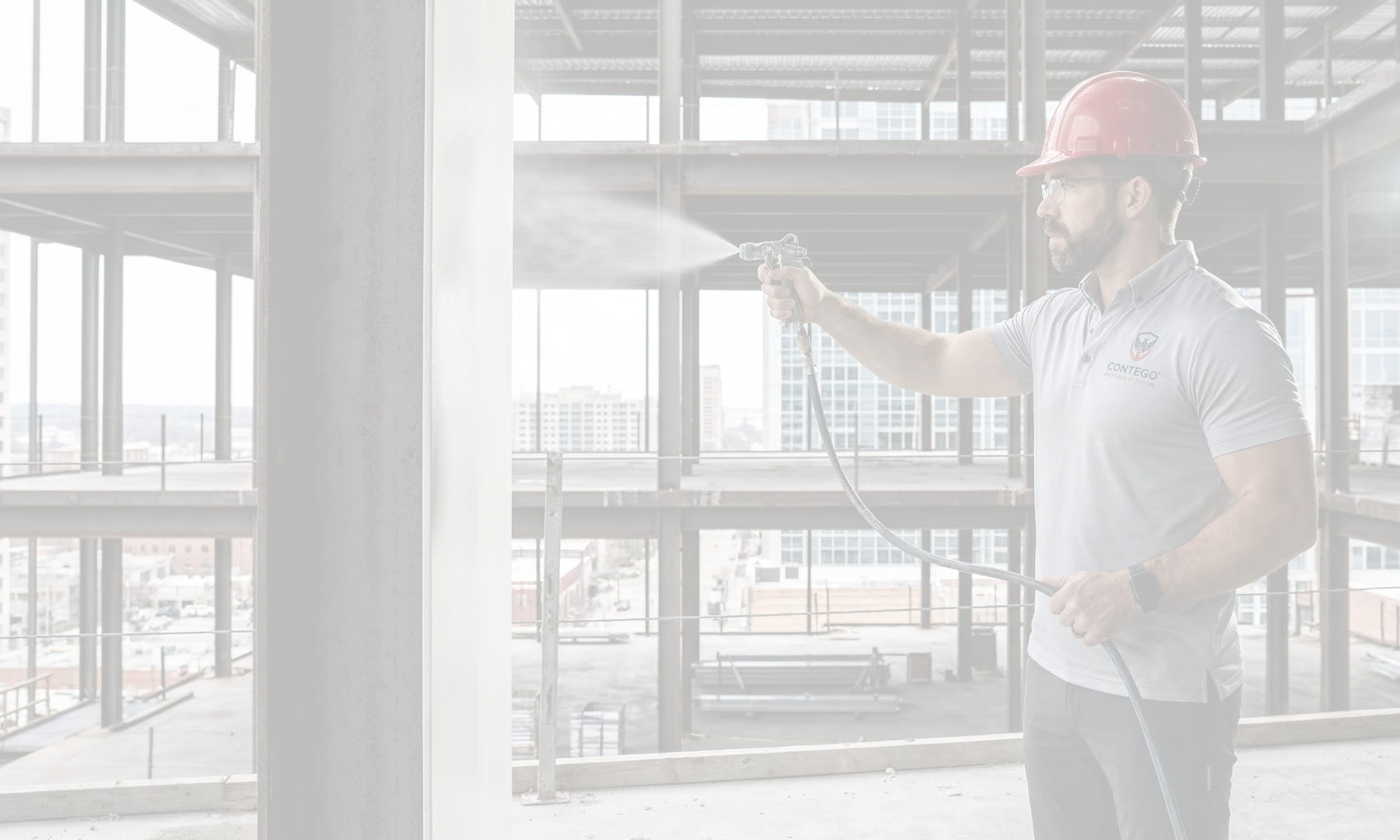
It's built for structural steel. Contego is engineered for wide flange beams, columns, and hollow structural sections (HSS). Coverage is calculated using the steel's section factor (W/D or Hp/A) to hit the required fire rating.
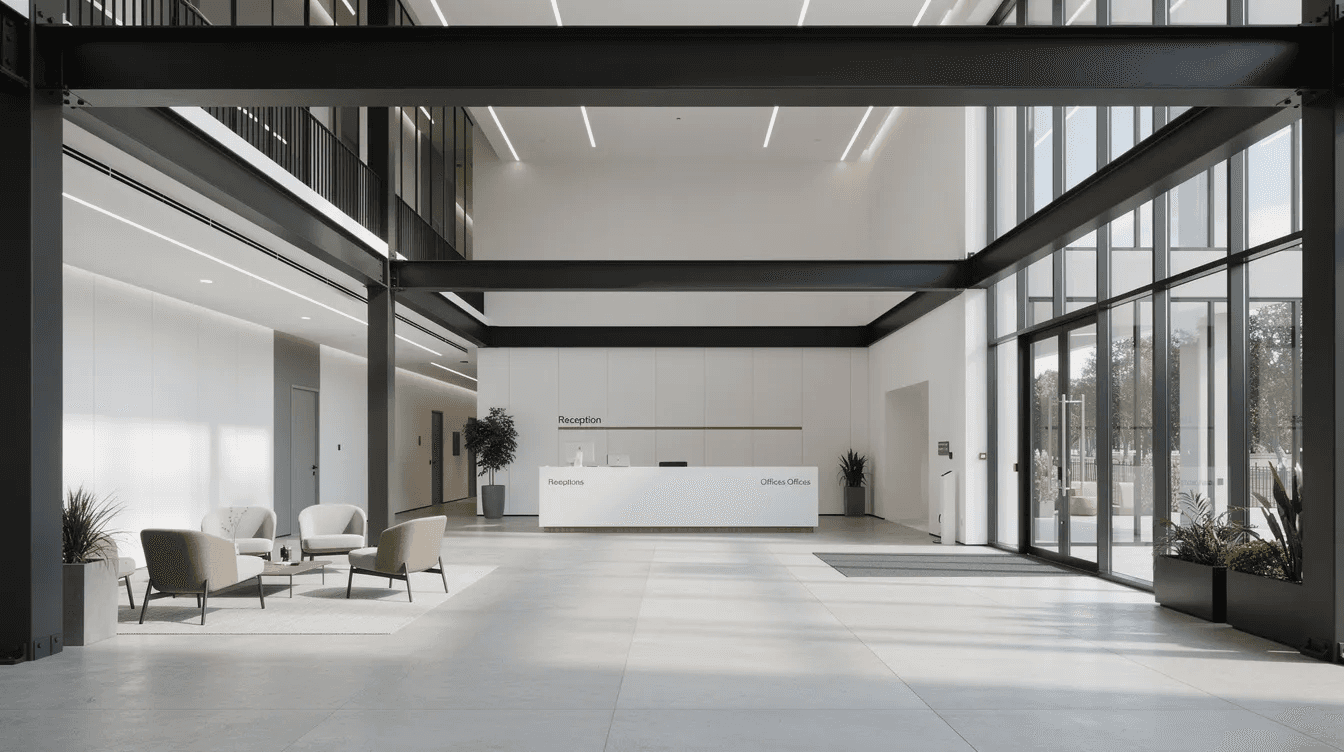
It keeps steel looking like steel. Because the dry film is thin, exposed beams and columns stay visible — no boxed-in, sprayed-on bulk. That matters for architects who want structural steel as a design feature, not something to hide.
Two Contego Formulas, Two Jobs
One-size-fits-all intumescent paint tends to either overprotect simple applications or underperform on demanding structural steel. Contego built two separate formulas instead of one compromise product:
Contego International engineered two distinct formulations to adequately protect specific substrates under real-world environmental conditions:
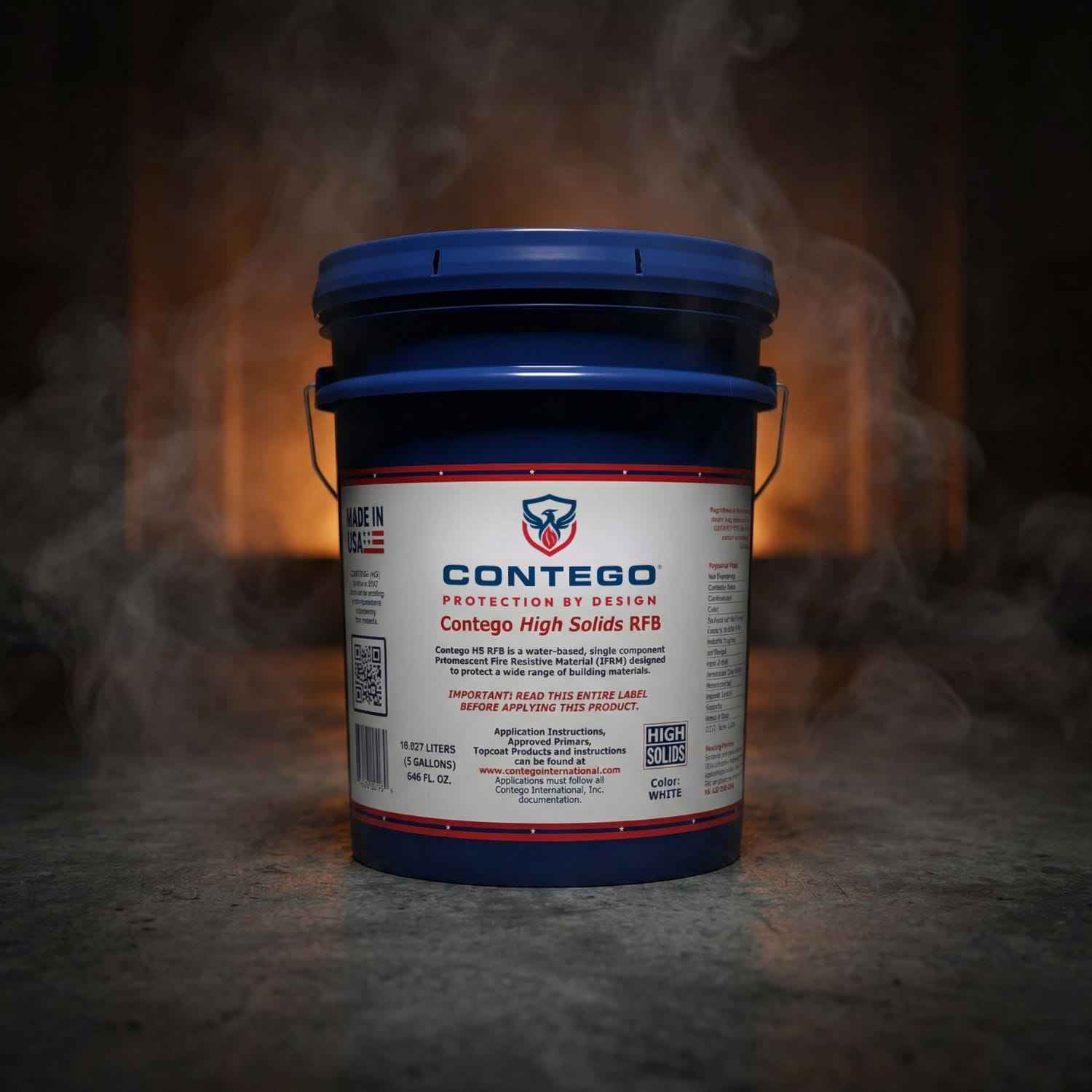
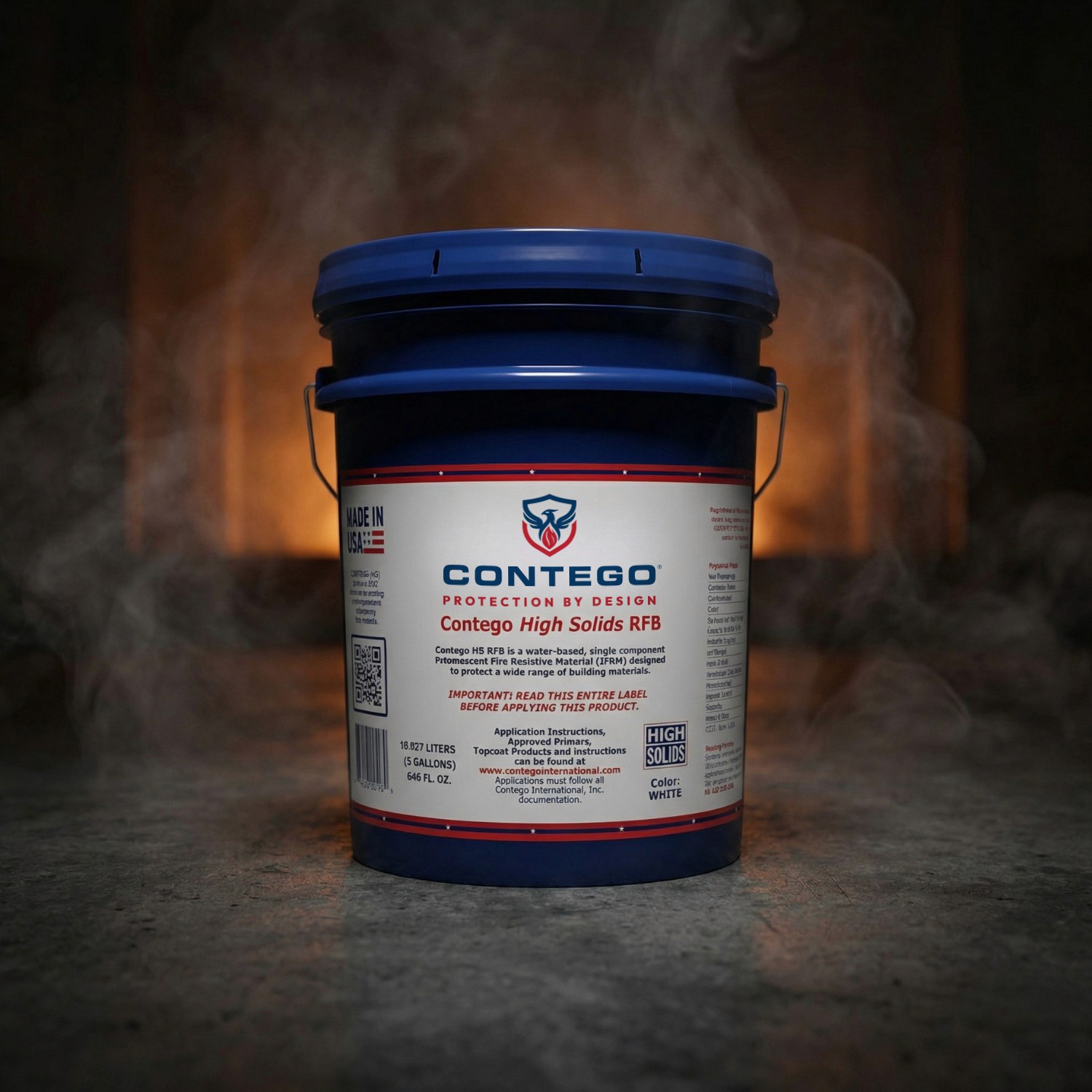
Contego High Solids RFB – A thin-film intumescent coating engineered specifically for structural steel. High volume solids mean lower required DFT across a wide range of steel section factors, achieving fire ratings from 1 to 3 hours. Architectural-grade performance maintains the mechanical properties and visual appeal of exposed steel in commercial and industrial applications.
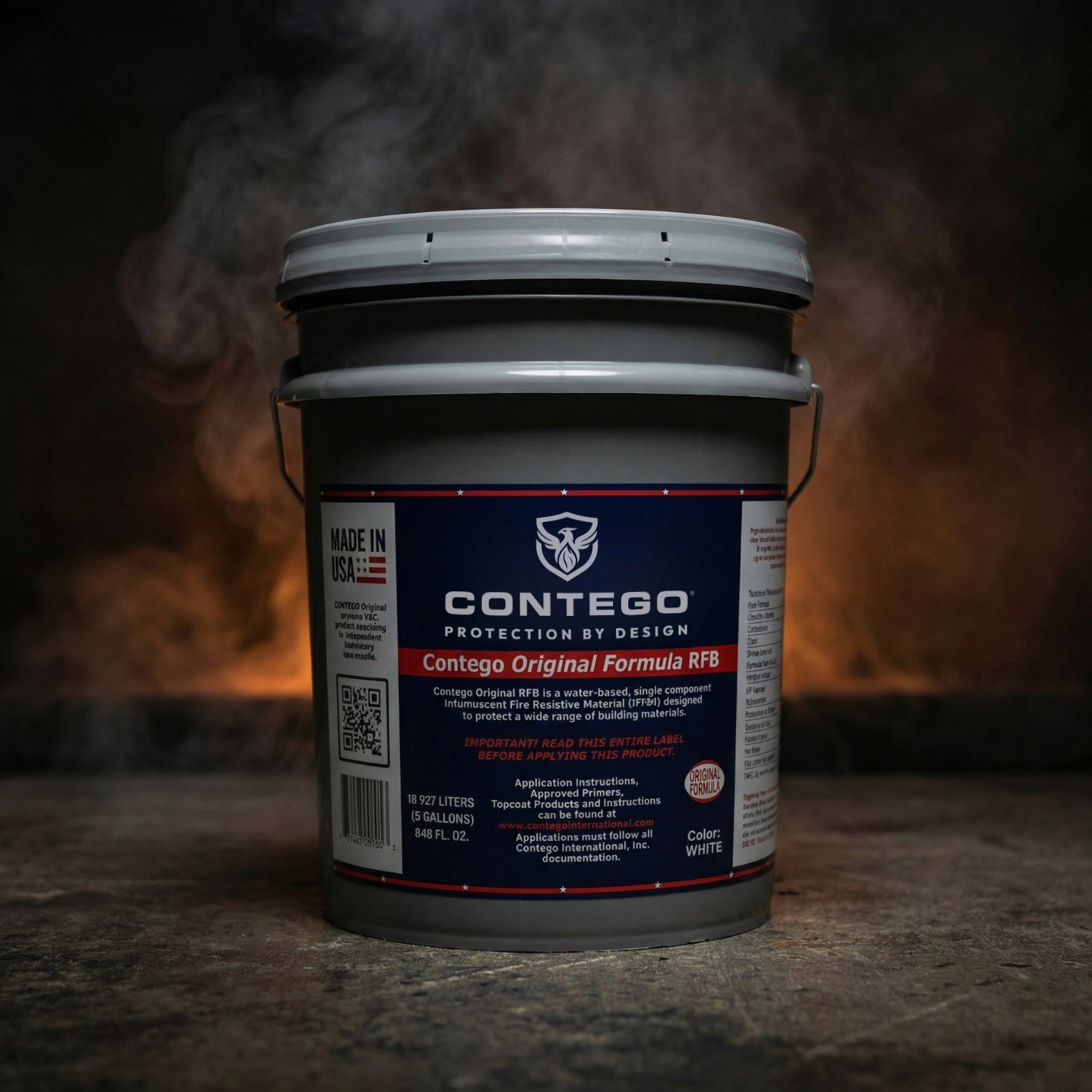
Contego Original Formula RFB – A water based fire retardant designed for interior building materials including wood, foam, and SIP. No special spray equipment required—brush, roller, or standard sprayer application works on site. Low VOC formulation suitable for indoor environments where odor and air quality matter.
Architectural-Grade Performance – Both formulations deliver superior aesthetics with code-compliant protection, whether you need to protect a steel frame from structural collapse or reduce flame spread on exposed wood ceilings.
How Intumescent Paint Works, Step by Step
1. It stays dormant until heat triggers it. At normal building temperatures, intumescent paint behaves like any standard coating. Once surface temperature climbs to about 350–400°F during a fire, an acid source inside the coating (usually ammonium polyphosphate) begins breaking down a carbon source in the paint.
2. It expands rapidly. That chemical reaction releases gas, which causes the coating to swell — up to 100 times its original thickness — into a low-density foam layer.
3. It insulates the substrate. The resulting char has very low thermal conductivity (roughly 0.1–0.3 W/mK), which slows heat transfer to whatever is underneath. On steel, that delays the temperature rise that leads to structural failure. On wood, the char limits burning and reduces smoke.
Technical Specifications and Standards
Fire Rating Options
Intumescent coatings provide fire resistance ratings from 1 to 4 hours depending on formulation, dry film thickness, and substrate. Steel protection typically requires ASTM E-119 / UL 263 certification, which measures how long an assembly maintains load-bearing capacity under fire exposure. Wood and other materials often require ASTM E-84 testing for flame spread index (FSI) and smoke development index (SDI).
Certification Standards
Code-compliant intumescent products carry third-party listings:
ASTM E-119 / UL 263 for structural fire resistance
ASTM E-84 / UL 723 for surface burning characteristics
CAN/ULC S101 and CAN/ULC S102 for Canadian compliance
ICC-ES evaluation reports for IBC code acceptance
Substrate Compatibility
Structural steel – Beams, columns, connections; protection varies by section factor
Wood – Lumber, plywood, and OSB
Concrete – Walls and CMU block
Polyurethane foam – Ignition barrier
Application Methods
On site application methods vary by product formulation. Water based coatings like Contego Original Formula can be applied by brush, roller, or airless sprayer without specialized equipment. High-solids formulations for steel are typically applied via airless spray for efficiency on large structural assemblies. Off site application in controlled shop environments offers consistent film thickness and cure conditions.
Dry Film Thickness Requirements
The relationship between dry film thickness DFT and fire rating depends on substrate and section factor. For steel, thinner sections (higher section factor) heat faster during a fire event, requiring greater dry film thickness to achieve the same protection as heavier sections. For example:
Steel beams may require 80-130 mils DFT for 2-hour ratings depending on section factor
Wood achieving Class A flame spread requires 20 mils DFT
Environmental Considerations
Most water based intumescent coatings are engineered for interior use where humidity and temperature remain controlled. A top coat may be applied over interior coatings to enhance durability, achieve specific colors, or improve resistance to humidity in challenging indoor environments.
Who Needs Intumescent Coatings
Modern building code requirements and architectural trends have expanded demand for fire protection that doesn't compromise design intent. Exposed steel and wood create striking interior spaces—but they require fireproof coating solutions that maintain visual appeal.
See how Contego has been used on real commercial and industrial projects in our project case studies.
Architects and Engineers Specifiers need fire-rated assemblies that meet project requirements without adding bulk or complexity. Intumescent coatings allow exposed structural steel designs in atriums, lobbies, and open office spaces. For mass timber projects, these coatings can help achieve required flame spread ratings while preserving visible wood grain. Technical support including section factor calculations and fire rating documentation simplifies specification. Browse our Architect Resources page for CAD details, test data, and submittal documentation.
General Contractors With low VOC content, water-based intumescent coatings support healthier indoor air quality during application and are well-suited for projects where environmental conditions and occupant considerations are important.
Specialty Contractors Adding intumescent fire-resistive materials allows paint contractors and fireproofing specialists to take on a broader range of fire protection scopes and become more competitive on projects that require a clean, thin-film solution. Water-based formulations fit within standard coating operations when applied under controlled jobsite conditions, making it easier to coordinate with other trades and maintain schedule flow. These systems follow a clearly defined, inspection-driven process that helps ensure consistent results and accountability in the field. With proper training and support, contractors can confidently expand their services and position themselves for more opportunities in fire protection work—explore the Certified Applicator Program to get started.
Frequently Asked Questions
Have more questions? Visit our full FAQ page.
What is intumescent paint used for? Intumescent paint provides passive fire protection for building materials that would otherwise fail quickly in a fire. Common applications include structural steel in commercial buildings (beams, columns, connections), exposed wood ceilings and wall panels, foam insulation panels, and drywall assemblies. The coating is typically applied where building code requires fire-rated construction or where active fire protection systems alone cannot adequately protect the structure. High-rise buildings, parking garages, transit stations, hotels, and industrial facilities frequently specify intumescent coatings.
How does intumescent paint work? The coating activates when exposed to heat from fire, typically at 350-400°F. Chemical components within the paint react: an acid source dehydrates a carbon compound while a blowing agent releases gases. This creates rapid expansion—the coating can swell to 50-100 times its original thickness, forming a carbonaceous char layer. This char has very low thermal conductivity, creating an insulating barrier that slows heat transfer to the substrate. For steel, this delays the temperature rise that causes structural failure. For wood, it reduces burning and flame spread.
What's the difference between intumescent paint for wood vs steel? Steel coatings focus on structural fire resistance—preventing temperature rise in the steel element that would cause structural collapse under load. These coatings are tested to ASTM E-119/UL 263 and rated in hours. Wood coatings primarily target surface burning characteristics—reducing flame spread and smoke development per ASTM E-84. DFT requirements differ: steel protection for 2-hour ratings may require 80+ mils depending on section factor, while wood achieving Class A flame spread often needs only 20 mils. Contego High Solids RFB is engineered specifically for structural steel, while Contego Original Formula RFB is formulated for wood, foam, and interior materials.
Is intumescent paint code compliant? Yes, when properly specified and applied. Code compliance requires using products tested and listed by recognized testing laboratories (UL, ICC-ES, ETL) for specific substrates and fire ratings. The International Building Code (IBC) and NFPA standards reference test methods including ASTM E-119 for fire resistance and ASTM E-84 for flame spread. Compliance also requires matching job-site conditions to tested conditions, correct substrate preparation, proper DFT, appropriate environmental conditions during application and cure. Contego products carry the certifications and listings required for code-compliant installations.
How thick does intumescent paint need to be? Required dry film thickness depends on three factors: substrate material, desired fire rating, and (for steel) section factor. Steel with higher section factors heats faster and requires greater DFT for the same fire rating. Example: a thin steel section might need 200 mils DFT for 2-hour protection, while a heavier section achieves the same rating at 80 mils. For wood flame spread control, 20 mils DFT typically achieves Class A on lumber. Manufacturers provide thickness tables correlating DFT to fire rating by substrate, Contego offers technical support for project-specific calculations.
Choose the Right Contego Solution
Fire protection decisions affect life safety, code compliance, and project aesthetics. Intumescent coatings deliver the protection time buildings need while maintaining the exposed material finishes architects design.
For Structural Steel Applications Explore Contego High Solids RFB – our thin-film intumescent coating engineered for wide section factor coverage with low DFT requirements. Ideal for commercial steel frame buildings requiring fire ratings from 1 to 3 hours.
For Interior Building Materials Explore Contego Original Formula RFB – our water based fire retardant for wood, foam, and SIP. Apply by brush, roller, or sprayer with no specialized equipment required.
Need Technical Support? Contact our specification team for assistance with fire rating requirements, section factor calculations, substrate compatibility, and project-specific recommendations. We provide documentation to support submittal packages and code compliance verification.
Contego High Solids
Recent Posts:
Two Solutions, One Purpose.
Fire Protection That Performs
Contego offers two distinct reactive coating technologies: one engineered for fire-resistance ratings on structural steel, and another designed for flame spread reduction on combustible substrates.
The Best in Fire Resistance
Thin-Film Intumescent Fire Protection for Structural Steel Contego listings protect a wide range of steel section factors, giving engineers greater flexibility across different structural shapes.
Key benefits:
Thin-Film Fire Protection
Low DFT Requirements
Broad Section Factor Coverage (W/D)
LEED v4, v4.1, and v5 Support
Tested Up to 3-Hour Ratings
The Best in Fire Retardants
Fire Retardant Protection for Interior Building Materials Designed to improve the surface burning performance of common interior materials such as wood, foam, and SIP panels.
Key benefits:
Class A Fire Retardant Performance
Protects Multiple Interior Substrates
Smooth Architectural Finish
Zero VOC / Non-Toxic
Economical Fire Protection