

Common Building Code Fireproofing Mistakes in Steel Design
May 18, 2026
Fireproofing for structural steel is one of those things that feels small on paper but becomes very big on site. When building code fireproofing is not planned early in a project, it can stall inspections, delay occupancy, and send everyone scrambling for last-minute fixes. We see it often, and it is almost always avoidable with a bit of upfront attention.
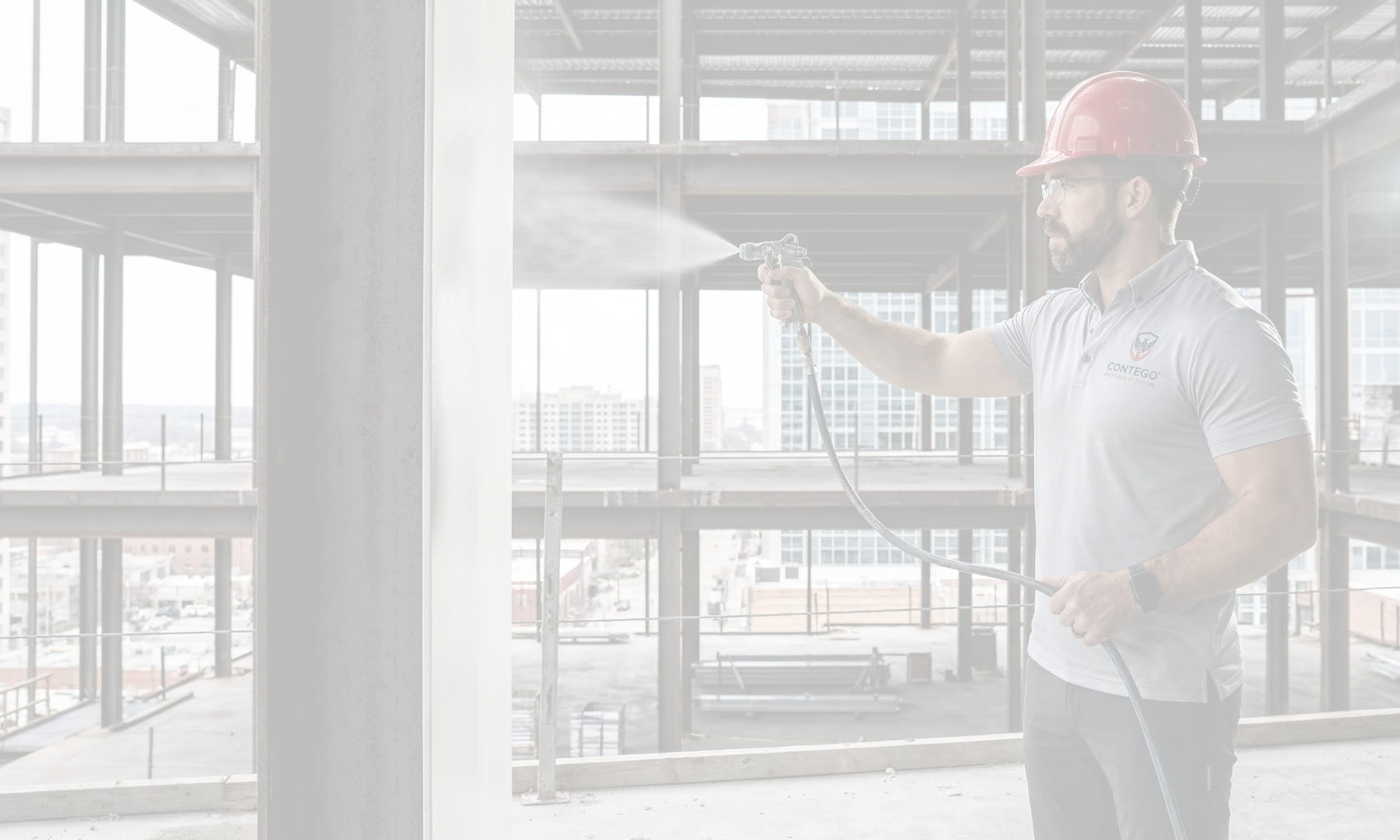
Think about a project where the steel frame is up, finishes are going in, and the schedule is tight. Then the inspector walks the job and flags missing or incorrect fire protection on key steel members. Work stops, and coatings must be removed and redone, and the calendar everyone trusted no longer holds up. Our goal here is to help design teams and contractors keep that from happening, especially on mid-rise and high-rise steel projects that break ground in late spring and early summer.
Avoid Costly Code Surprises in Steel Fireproofing
Fireproofing should not be a last-minute line in the spec that no one reads until submittals come in. For steel structures, it is a strategic design choice that touches architecture, structure, and construction sequencing.
As projects kick off in warmer months, design decisions made now will show up during plan review and final inspections later in the year. If the fire protection approach is not clear in the documents, you risk:
Missed code requirements for key steel members
Rework after coatings or finishes are already installed
Schedule slips when inspectors ask for documentation or corrections
Our team at Contego International focuses on thin-film, intumescent fire protection coatings for structural steel and other substrates. We see both the code side and the field side every day, and we want to share some common mistakes that cause trouble, along with better ways to plan around them.
Misreading the Code During Early Design
One big source of trouble starts right at the concept stage. Someone writes “2-hour fireproofing” on the drawings and moves on, without tying that note to specific assemblies, occupancies, or member types.
A few common misunderstandings show up again and again:
Assuming all Type I or Type II construction needs the same fire protection
Treating any 2-hour rating as interchangeable across different assemblies
Forgetting that occupancy and separation requirements can change ratings by area
When preliminary fire-resistance assumptions are wrong, they do not just affect the spec. They can change:
Floor-to-floor heights, because different systems need different thicknesses or coverings
Steel sizes, when the chosen fire protection method changes weight or clearances
Finish details, especially where exposed steel is part of the design
If those details only get checked during shop drawings or, worse, during inspection, teams end up redesigning, resubmitting, and fighting the clock.
Overlooking Steel Details That Affect Fire Ratings
Even when the basic rating is correct, small steel details can break an otherwise good fireproofing plan. The listing for a tested assembly is very specific, and the real structure on site does not always match that picture.
Problem areas often include:
Exposed flanges that are not fully wrapped in the fire protection system
Transfer girders or deep beams that do not match the tested steel profile
Cantilevers and built-up members that change the heated area of the steel
Unprotected penetrations and connections can also create weak points. A beam passing through a rated wall or a complex joint at a column base can slip past coordination if teams assume “the fireproofing contractor will figure it out.”
The best results come when:
Structural engineers flag unusual members early
Architects and fire protection engineers review how listed systems apply
The chosen intumescent coating system has tested solutions for those specific details
That kind of coordination helps keep both the look and the code performance on track.
Treating All Fireproofing Materials as the Same
Another common mistake is treating fire protection materials like generic paint. Swapping one for another is not a simple, one-to-one trade. Code compliance depends on tested and listed assemblies, not just a stated rating on a data sheet.
Some frequent mix-ups include:
Replacing specified intumescent coatings with different products that do not match the original listing
Switching from spray-applied fire-resistive material to thin-film coatings without rechecking the tested assembly
Assuming “fire-retardant paint” for finishes provides the same structural protection as an intumescent coating system
Fire-retardant paints can help slow surface flame spread on some materials, but they are not the same as intumescent coatings designed and tested to protect structural steel. True intumescent products are part of a tested system that accounts for:
Specific steel sizes and profiles
Required rating time, like 1-hour or 2-hour performance
Substrate type and compatible primers and topcoats
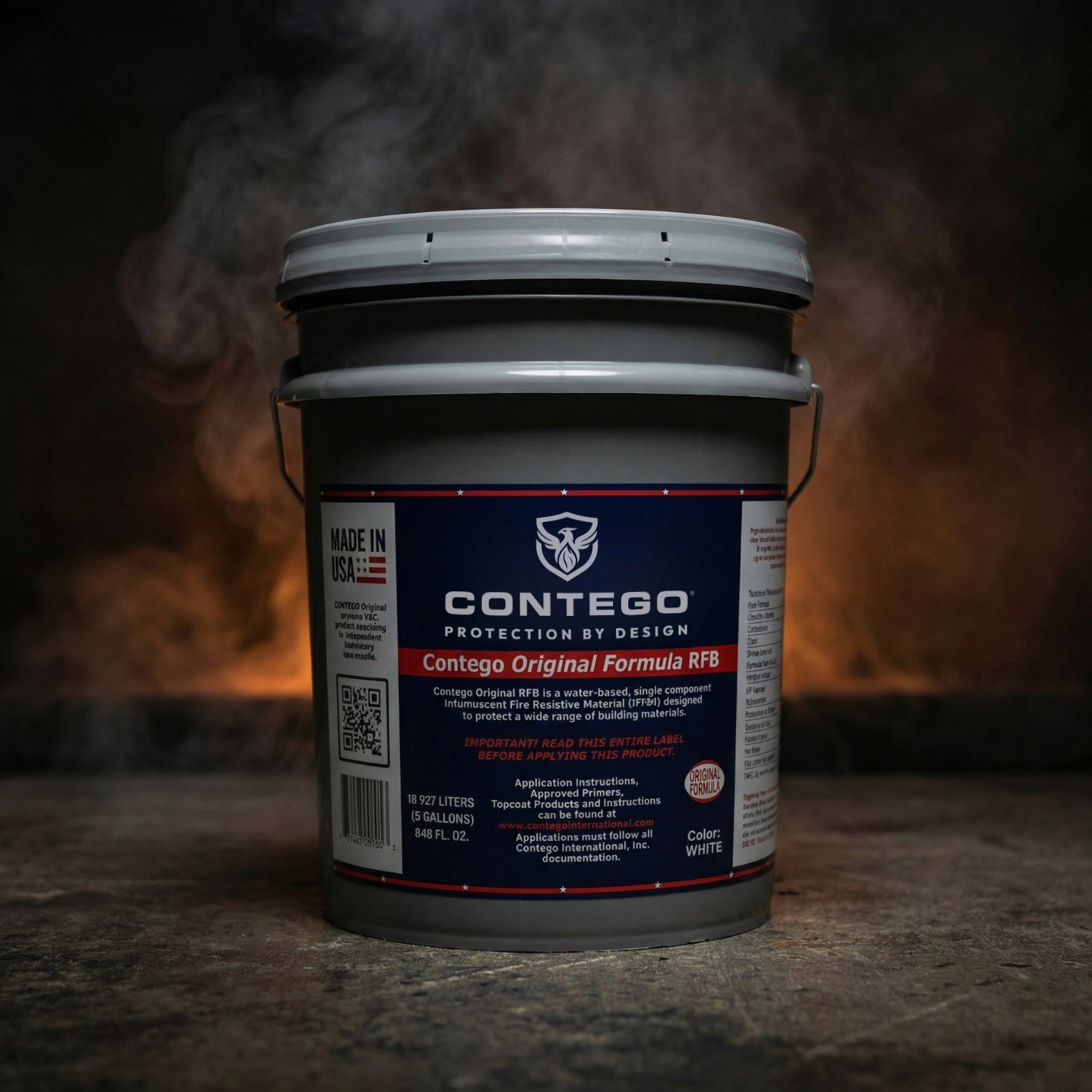
At Contego International, our coatings are tested, certified, and listed for structural steel and other substrates, and they are made in the USA. The key is matching the product and the tested design to what is actually being built so the authority having jurisdiction is satisfied.
Ignoring Field Conditions and Quality Control in Warm Weather
By late spring and through summer, many jobs move outdoors or into open structures. Warm temperatures, sun, and humidity can all affect how fire protection coatings behave.
On site, we often see:
Inadequate steel cleaning before coating
Wrong wet film thickness, either too thin or too thick in one pass
Coating applied when steel or air temperatures are outside the product limits
Missed adhesion tests or skipped in-process inspections
These may sound small, but they can cause:
Peeling or cracking of the coating later on
Failed inspections when film thickness does not match the design
Delays while areas are stripped and recoated
Planning for QA and QC from the start helps avoid this. Good habits include:
Mockups approved by the design team and the inspectors
Clear documentation of product data and allowable conditions
Regular mil thickness checks and recorded readings
Direct contact with the manufacturer’s technical staff for field questions
That way, when the inspector shows up in warm weather, the work speaks for itself.
Integrating Better Fireproofing Choices Into Your Next Steel Project
When steel design, material selection, and tested intumescent systems are aligned from day one, everything gets easier. Risk goes down, approvals are smoother, and exposed steel can still look clean and intentional instead of bulky or patched.
Here is a simple checklist for design teams working on steel projects:
Confirm occupancy, construction type, and required fire-resistance ratings early
Select tested and listed assemblies that match real member sizes and profiles
Coordinate tricky details like penetrations, connections, and exposed flanges
Verify that primers, topcoats, and other materials are compatible with the intumescent system
Agree on inspection criteria, film thickness checks, and documentation before work starts
At Contego International, we spend our days helping teams match high-performance, intumescent fire protection coatings to real projects so they meet both code and design goals. Bringing fireproofing into the conversation early is one of the simplest ways to avoid code surprises, keep projects moving through inspection, and protect the steel that holds everything up.
Get Started With Your Project Today
Ensure your next project aligns with safety standards by partnering with Contego International for proven fire protection solutions. Explore our building code fireproofing options to help meet code requirements without sacrificing design or functionality. If you are ready to discuss specifications, timelines, or pricing, contact us so we can support your team from planning through final inspection.
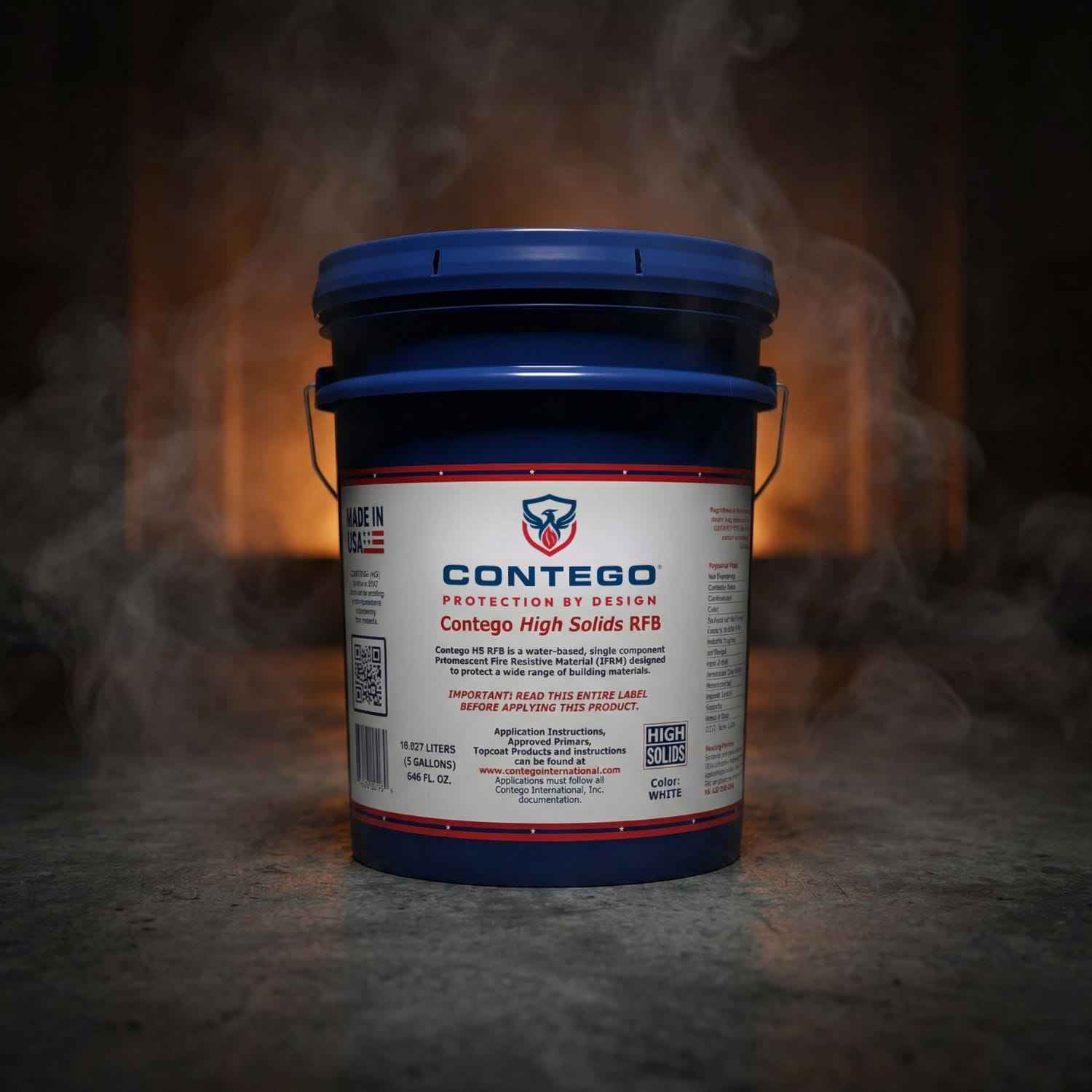
Contego High Solids
Recent Posts:
Two Solutions, One Purpose.
Fire Protection That Performs
Contego offers two distinct reactive coating technologies: one engineered for fire-resistance ratings on structural steel, and another designed for flame spread reduction on combustible substrates.
The Best in Fire Resistance
Thin-Film Intumescent Fire Protection for Structural Steel Contego listings protect a wide range of steel section factors, giving engineers greater flexibility across different structural shapes.
Key benefits:
Thin-Film Fire Protection
Low DFT Requirements
Broad Section Factor Coverage (W/D)
LEED v4, v4.1, and v5 Support
Tested Up to 3-Hour Ratings
The Best in Fire Retardants
Fire Retardant Protection for Interior Building Materials Designed to improve the surface burning performance of common interior materials such as wood, foam, and SIP panels.
Key benefits:
Class A Fire Retardant Performance
Protects Multiple Interior Substrates
Smooth Architectural Finish
Zero VOC / Non-Toxic
Economical Fire Protection