

Building Code Fireproofing for Exposed Steel in Modern Projects
Jul 27, 2026
Design-Forward Strategies for Code-Compliant Steel Fireproofing
Building code fireproofing for exposed steel often feels like a tug-of-war between safety and style. You want clean lines, open spans, and that bold steel look. The code wants proven fire resistance, clear egress, and structural stability under heat. Both sides matter, especially on high-visibility projects that need to open before the end of the year.
Exposed structural steel is popular for good reasons. It supports long, open spaces, works well with daylight, and fits industrial and modern design. But once steel is visible instead of buried behind drywall, every inch of fire protection becomes part of the design. That is where smart planning, tested systems, and the right coating choices come into play.
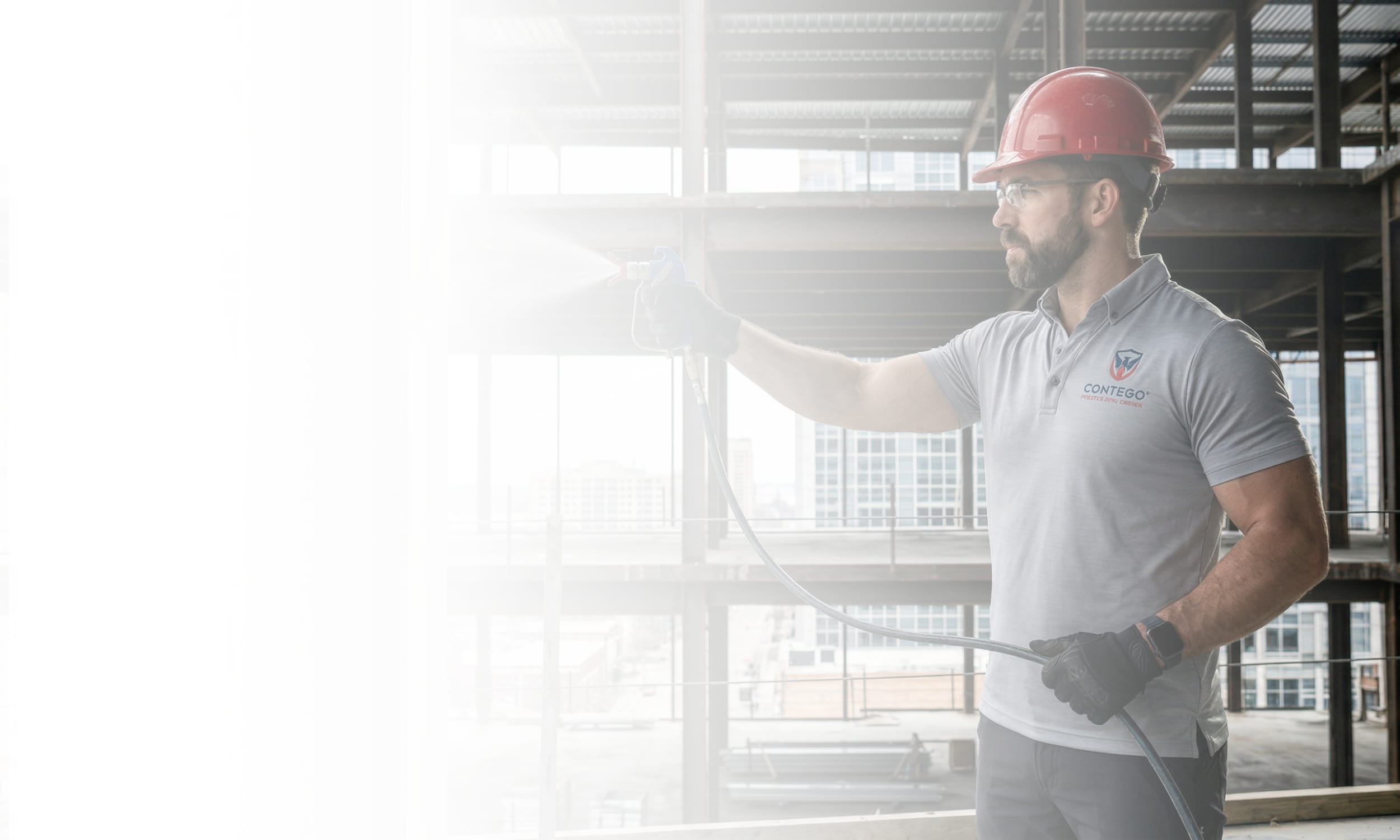
Modern intumescent coatings, including UL listed, made in the USA systems like ours, help teams meet code without bulky wraps or boxouts. They keep the steel expressive and honest, while still giving building officials what they need to sign off. In this article, we will walk through how the codes think about exposed steel, common trouble spots, and practical strategies that work on real projects finishing in late summer and fall.
What Building Codes Really Require for Exposed Steel
Building codes are not trying to stop good design. Their main goals are simple: protect life, keep the structure standing long enough to evacuate, and give firefighters a safer chance to work. When we remember that, it is easier to choose fireproofing that respects both safety and design.
For exposed steel, the code looks first at:
Occupancy type, such as office, education, assembly, or industrial
Building height and total floor area
Construction type, including if the frame is protected or unprotected
These factors drive required fire-resistance ratings for beams, columns, and other members. You may need 1 hour for some structures, 2 hours for taller or more complex ones, and higher ratings for special conditions. Those hours are not just a number on paper; they are tied to specific fire tests.
Model codes like the IBC point to standards such as ASTM test methods and UL fire test reports. In practice, that means design teams and inspectors expect to see:
A tested and listed system for the specific steel shape or assembly
Clear documentation of the hourly rating
Application details that match the tested design as closely as possible
Authorities having jurisdiction are paying closer attention to exposed features like stairs, atriums, canopies, and entrance structures. When these elements are part of the exit path or hold up occupied space, they will want strong proof that the fireproofing matches a tested, listed system, not just a good guess.
Core Principles of Building Code Fireproofing for Steel
At its core, building code fireproofing means giving steel enough thermal protection so it can keep carrying load during a fire for the required time. Steel does not burn, but it does get soft as it heats up. As temperature rises, it loses strength and stiffness, which can lead to sagging or failure if the fire lasts long enough.
Because of that, rule-of-thumb thinking is risky. Two steel members that look similar might need different protection based on size, loading, and rating. This is why listed assemblies and tested systems are the backbone of code compliance for exposed steel.
Common fireproofing methods include:
Spray-applied fire-resistive material (SFRM), often thicker and more textured
Concrete or masonry encasement, strong but heavy and bulky
Fireproof board systems, more controlled but still adding bulk and joints
Intumescent coatings, thin-film, paint-like systems that expand in heat
From a code point of view, each method needs a test report or listing that proves it can protect specific steel sizes to a given hourly rating. When geometries get tricky, such as tapered members, trusses, or built-up shapes, good coordination is key. Engineering judgments, clear shop drawings, and early talks with the structural engineer and fire protection engineer help you adapt tested systems to real-world details without losing compliance.
Leveraging Intumescent Coatings for Code-Driven Design Freedom
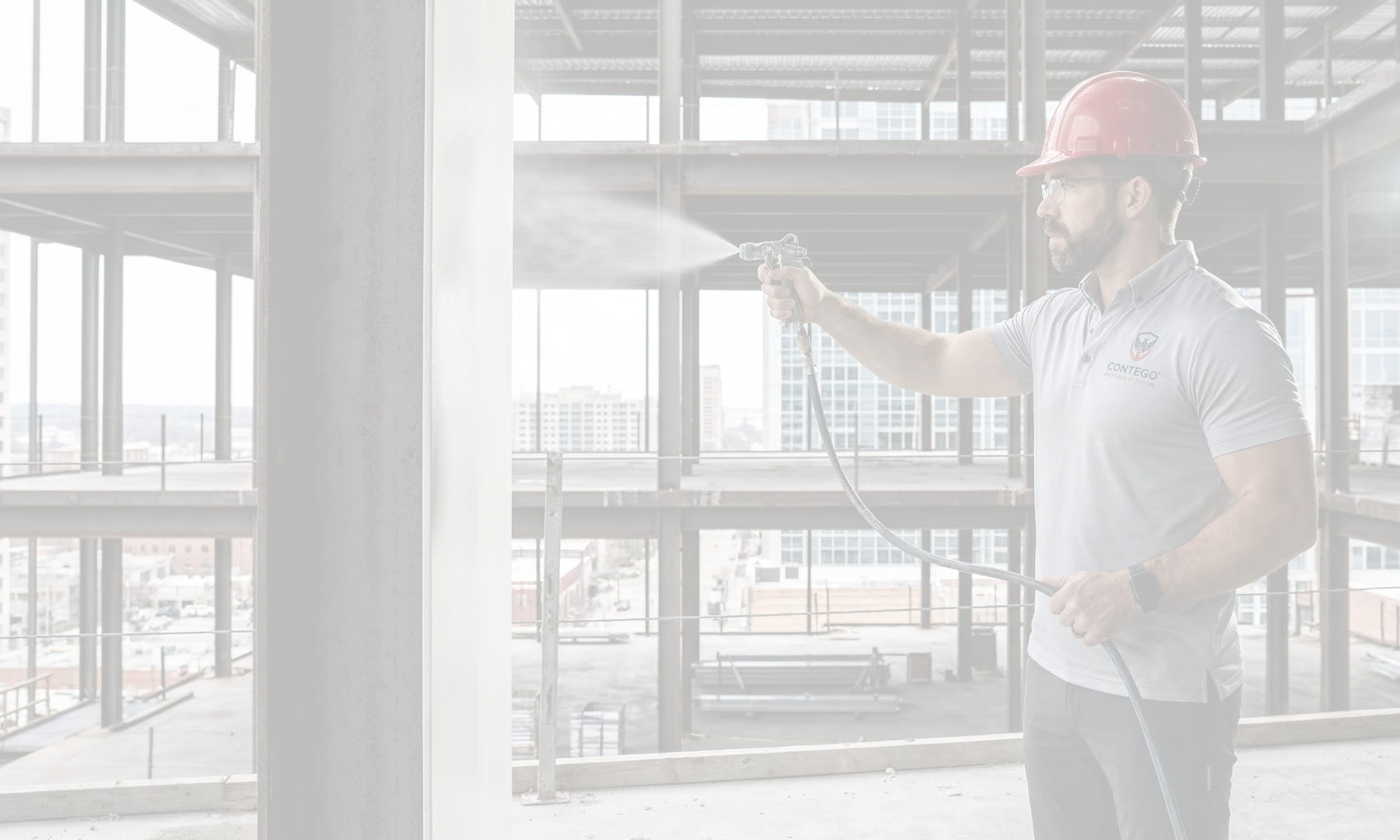
Intumescent coatings give designers a way to keep steel visible without walking away from the fire rating they need. These systems are applied like paint, usually as a thin film. Under high heat, they swell many times their original thickness and form a protective char that slows heat transfer to the steel.
With the right tested/listed fire-resistance design intumescent system, you can cover a wide range of steel shapes and sizes while staying within code limits. That flexibility opens up options for feature elements like:
Long-span roof beams
Lobby columns and transfer girders
Exposed brace frames and trusses
Decorative yet structural stair stringers
When you specify an intumescent coating, it helps to pin down a few things early:
Target hourly rating for each member type
Exposure conditions, such as interior, semi-exposed, or exterior under cover
Primer and topcoat compatibility, especially if color and sheen matter
Desired final look, from smooth and architectural to more utilitarian
For fast-track summer-and-fall schedules, intumescent systems can support both shop and field application. Shop application can reduce on-site labor and gives more control over conditions. Field work then focuses on touch-ups, connections, and joints. That can simplify coordination with other trades that also need access to the steel, like electrical and mechanical teams.
Detailing and Installation Practices That Keep You Code-Compliant
The best specification still needs careful execution to satisfy the building official. Many field problems that show up during inspection are not about the product, but about the details.
Common trouble spots include:
Connections that did not get the same level of protection as main members
Uneven coating thickness, with low spots that undercut the tested rating
Unapproved substitutions for primers, topcoats, or even whole systems
Field cuts or welds that never got properly cleaned and recoated
Following the manufacturer’s instructions is not just a suggestion; it is part of the compliance story. That includes surface preparation, mixing, application tools, and required film thickness. Wet and dry film thickness checks, recorded and kept with job documents, give inspectors confidence that what they see matches the listing.
Penetrations, attachments, and late field changes also need care. When you add brackets, hangers, or small plates to protected steel, the continuity of protection has to be restored. That may mean grinding and touch-up coating under controlled conditions that respect temperature, humidity, and curing times.
On late-summer and fall projects, weather becomes a real factor, especially in areas like ours where humidity can climb and nights can cool down quickly. Intumescent coatings often need:
Minimum and maximum temperature windows
Limits on ambient and surface moisture
Adequate cure time before overcoating or inspection
Planning these needs into the schedule helps avoid last-minute delays when everyone is pushing for year-end occupancy.
Turning Code Constraints Into Design Opportunities with Contego
When teams think about fireproofing early, building code fireproofing stops feeling like a design roadblock and starts becoming another tool. During schematic design and early development, small shifts in member sizes, detailing, or coating selection can make it much easier to prove compliance later.
Good next steps often include:
Reviewing tested/listed fire-resistance design that match your target ratings and steel shapes
Coordinating with your fire protection engineer on special features and routes
Planning how shop and field application will share the work
At Contego International, we focus on high-performance intumescent fire protection coatings for structural steel and other substrates. Our UL listed, made in the USA systems are used on commercial, industrial, and specialty projects across many regions, helping teams keep steel exposed while still checking every box for building officials and owners.
By pairing the right listing with sound detailing, quality application, and clear documentation, it is possible to satisfy the code, protect occupants, and still deliver the bold steel architecture you set out to design.
Get Started With Your Project Today
Ensure your next project meets performance expectations and code requirements with our proven fire protection solutions. Explore our building code fireproofing options to find the right system for your application. At Contego International, we work collaboratively with your team to address design, compliance, and installation questions. If you are ready to discuss specifications or request support, please contact us.
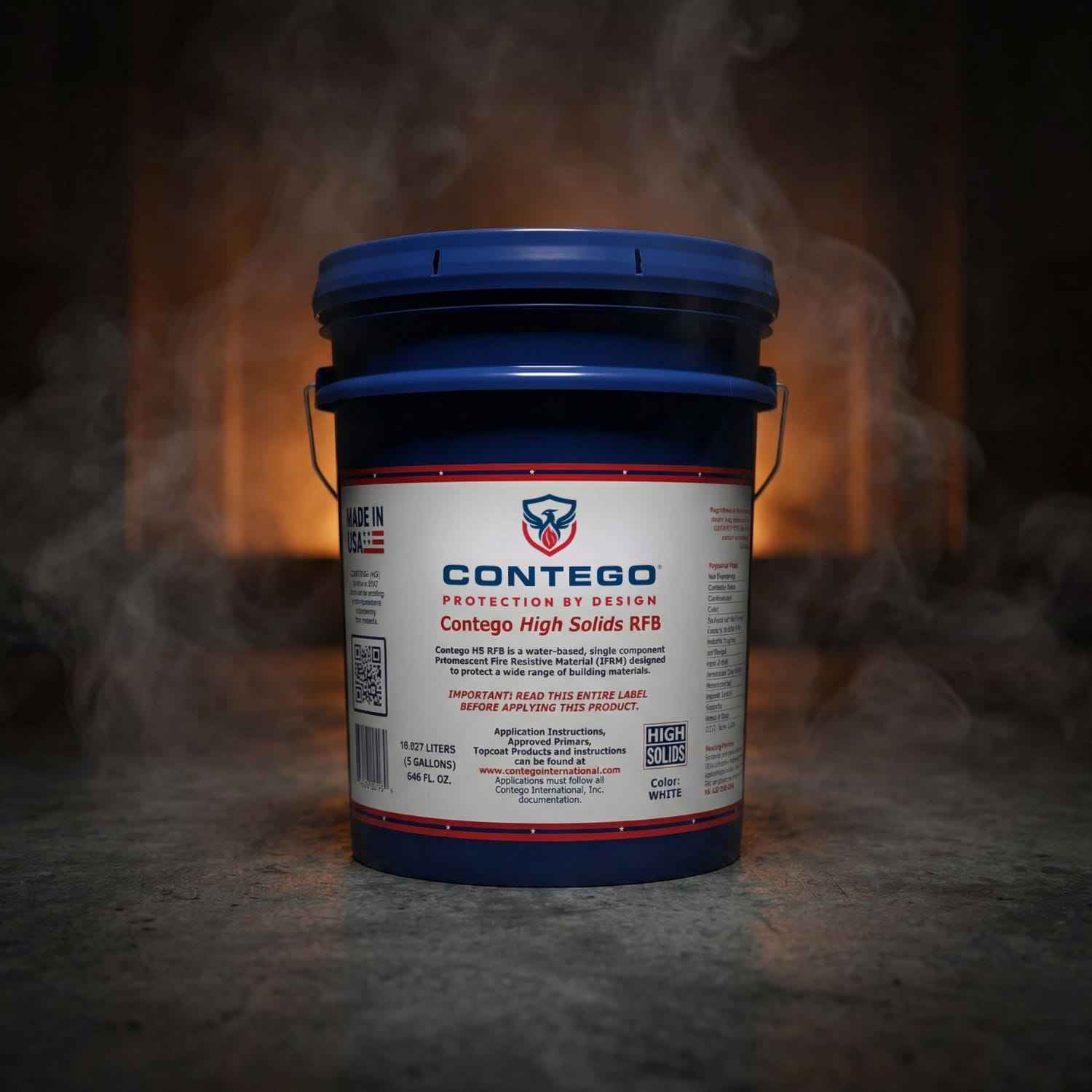
Contego High Solids
Recent Posts:
Two Solutions, One Purpose.
Fire Protection That Performs
Contego offers two distinct reactive coating technologies: one engineered for fire-resistance ratings on structural steel, and another designed for flame spread reduction on combustible substrates.
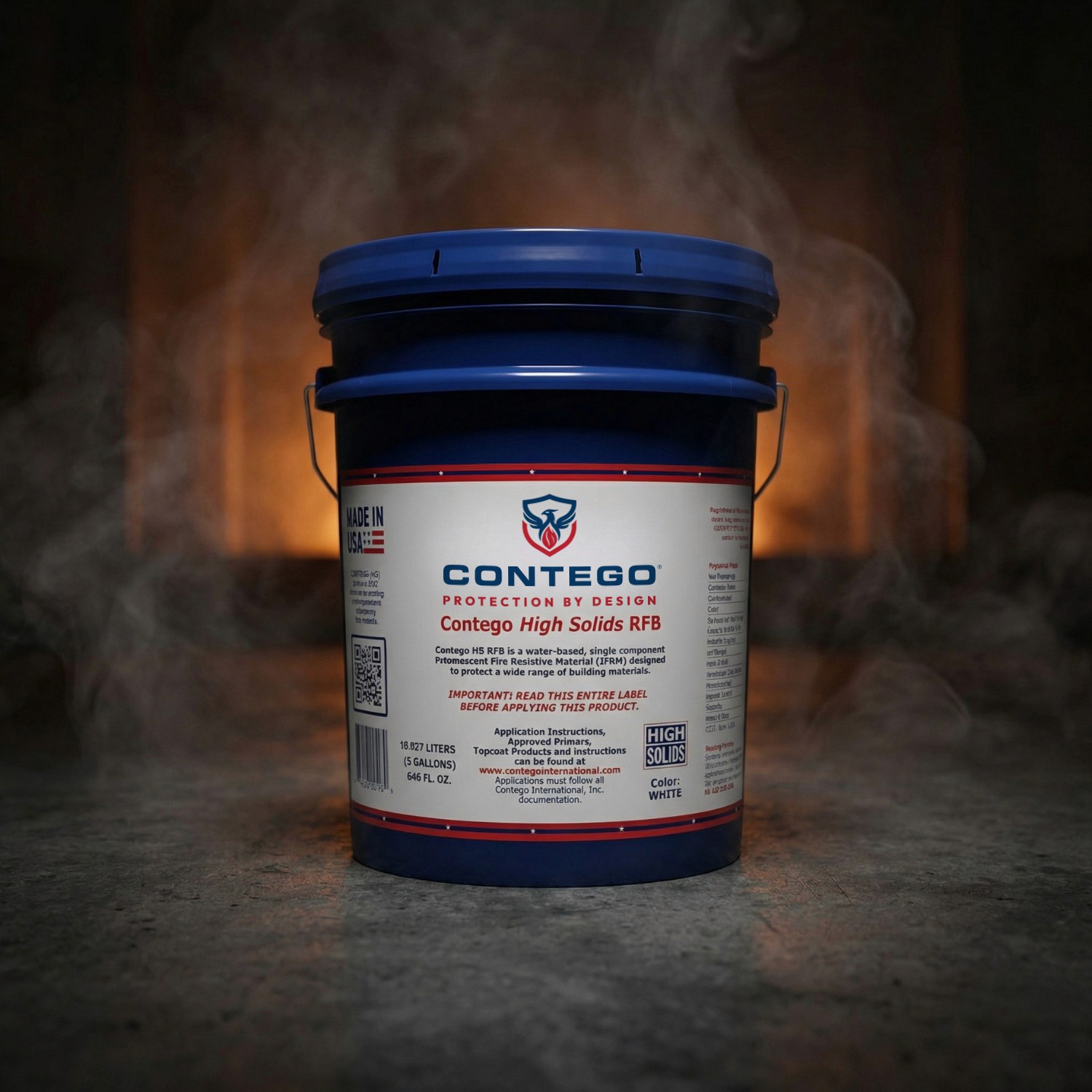
The Best in Fire Resistance
Thin-Film Intumescent Fire Protection for Structural Steel Contego listings protect a wide range of steel section factors, giving engineers greater flexibility across different structural shapes.
Key benefits:
Thin-Film Fire Protection
Low DFT Requirements
Broad Section Factor Coverage (W/D)
LEED v4, v4.1, and v5 Support
Tested Up to 3-Hour Ratings
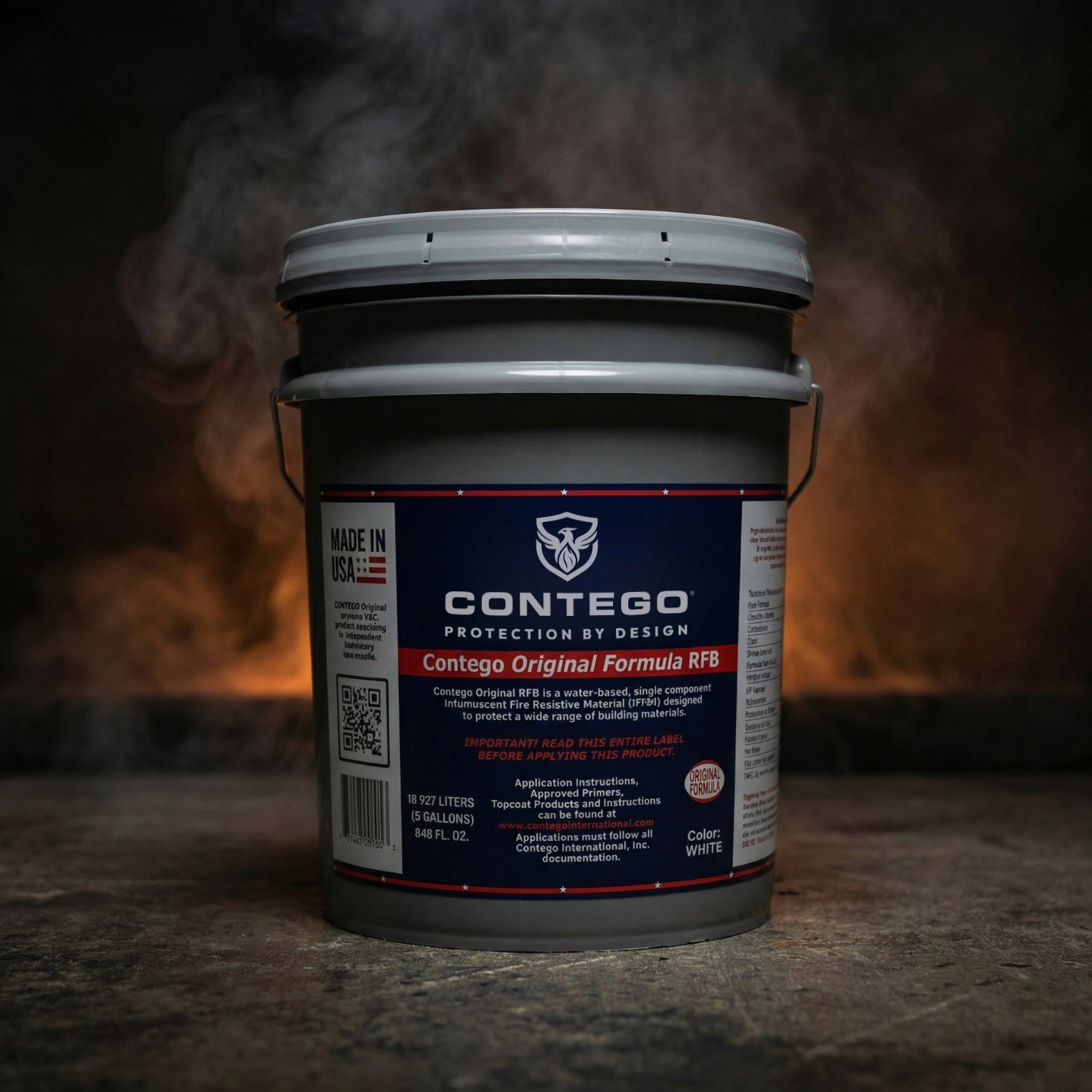
The Best in Fire Retardants
Fire Retardant Protection for Interior Building Materials Designed to improve the surface burning performance of common interior materials such as wood, foam, and SIP panels.
Key benefits:
Class A Fire Retardant Performance
Protects Multiple Interior Substrates
Smooth Architectural Finish
Zero VOC / Non-Toxic
Economical Fire Protection