

Design-Forward Uses of Thin Film Fireproofing in Exposed Steel
Jul 13, 2026
Design-Driven Safety for Exposed Steel Structures
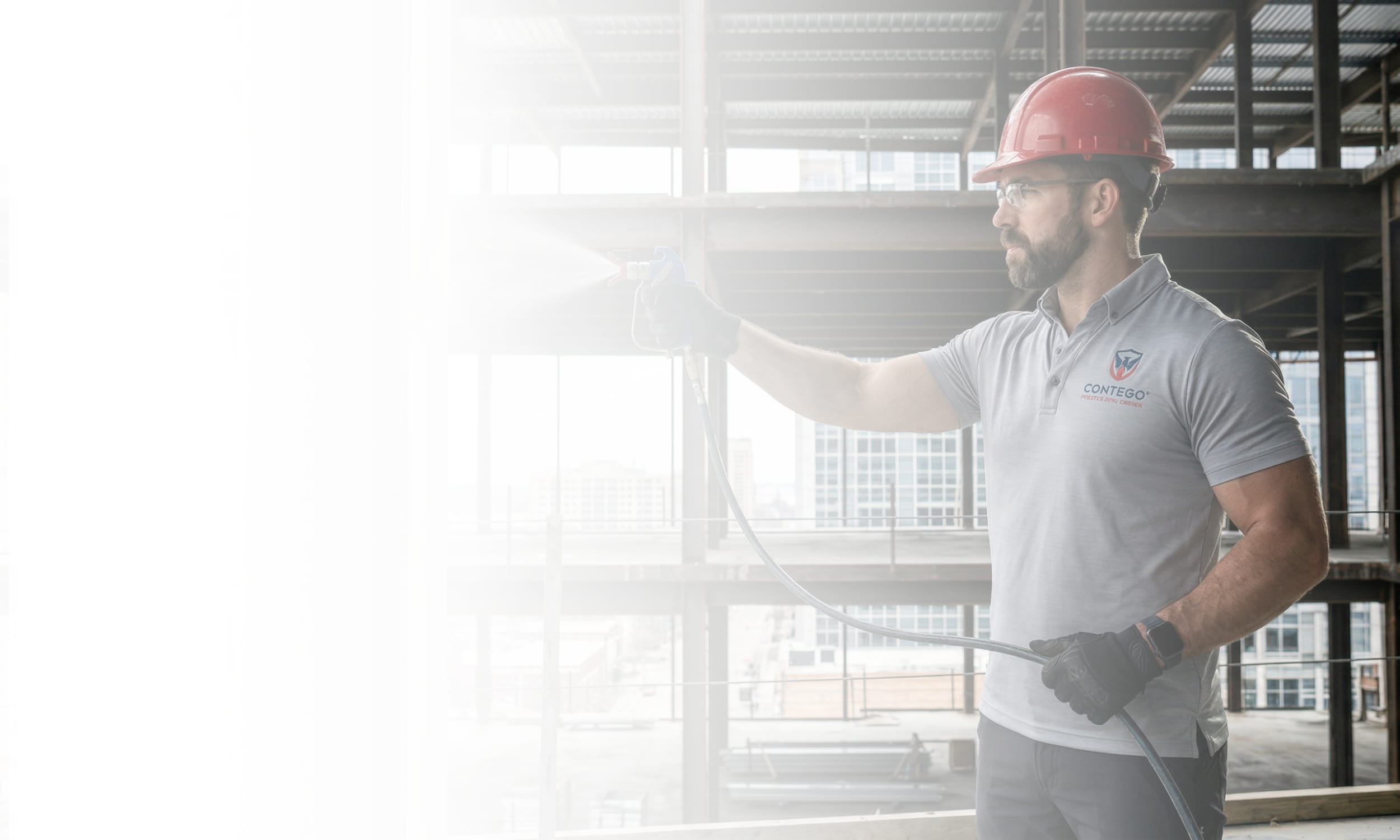
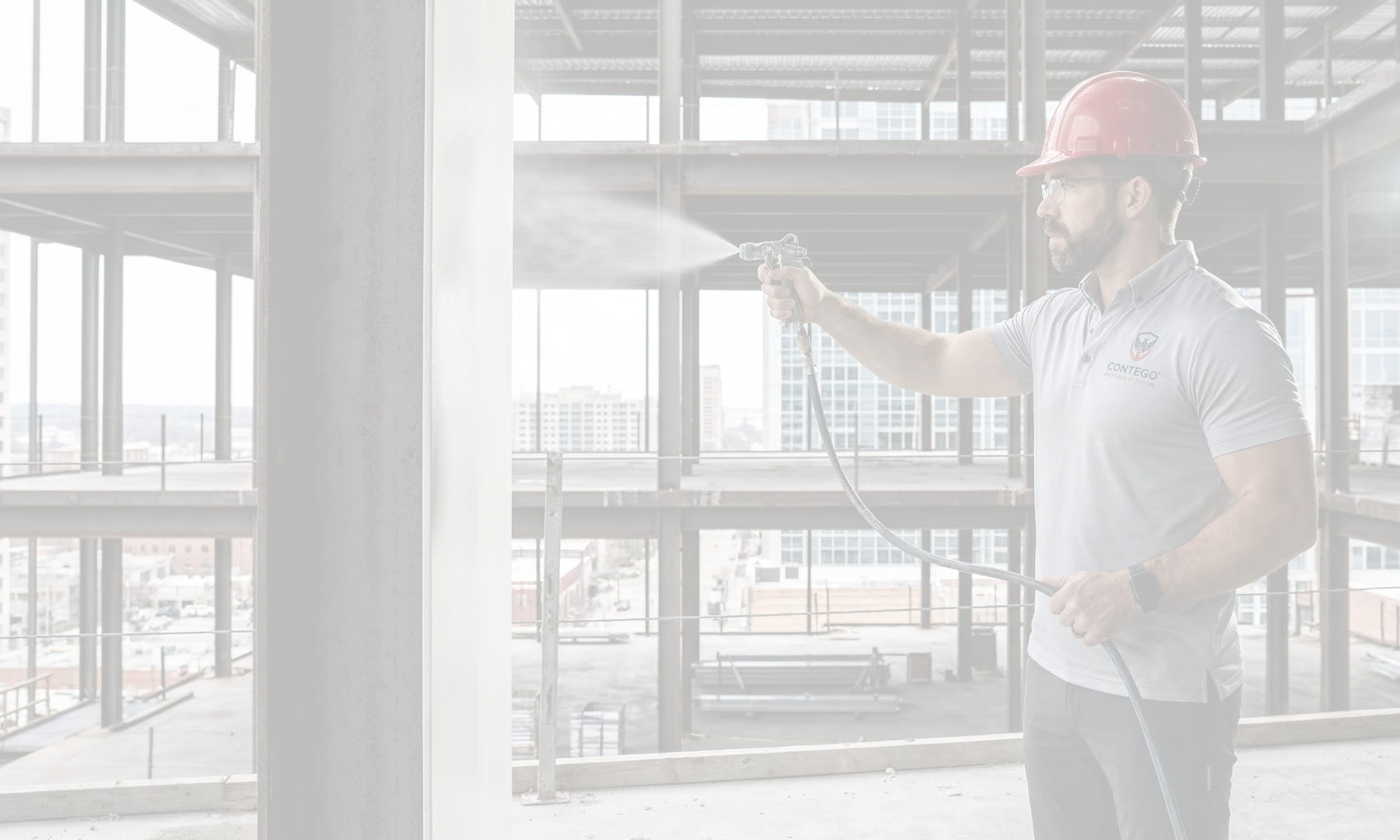
Thin-film fireproofing lets exposed steel stay the star of the space while still meeting serious fire protection needs. When project schedules tighten during warm summer months and structures go up fast, that balance between design and safety matters even more.
Architects and contractors want open, airy buildings with structure on display, not hidden behind bulky coverings. At the same time, codes and inspectors expect clear evidence that structural steel can maintain the required fire-resistance performance. Thin-film fireproofing gives teams a way to keep those clean lines, sharp details, and bright interiors without giving up fire performance.
At Contego International, we focus on high-performance, architectural-grade intumescent coatings for structural steel. Our goal is simple: help the design team keep the look they want while helping fireproofing professionals deliver tested, code-compliant fire protection.
Why Architects Are Rethinking Fireproofing Aesthetics
Current design trends put structure front and center. We see it in:
Industrial-style offices with exposed beams
Light-filled lobbies with tall steel columns
Long-span trusses in public buildings
Mixed-use projects where retail, residential, and entertainment meet
When steel becomes part of the visual story, traditional fireproofing can work against the design. Thick sprayed fire-resistive materials add bulk, soften crisp edges, and leave a rough, uneven texture. In tight urban projects, that extra thickness can cut into headroom, affect lighting, and limit how much equipment or ceiling systems can fit.
Those limits often show up during:
Summer design charrettes, when teams refine big moves
Value-engineering reviews, when materials and methods get adjusted
Coordination meetings, when every inch of clearance is checked
Thin-film fireproofing steps into that gap. Instead of hiding the structure, it supports the look by keeping the build depth low and the surface more refined. Architects can keep exposed steel in feature spaces, while contractors can reference tested fire-resistance designs and code-compliant systems. No one has to pick between style and performance.
How Thin Film Fireproofing Protects Exposed Steel Elegantly
Thin-film fireproofing is an intumescent coating system that looks much like a paint layer in daily use. Under normal temperatures, the coating is thin and unobtrusive. When exposed to intense heat during a fire, it reacts and expands into an insulating char layer that helps protect the structural steel underneath.
That expansion helps limit the temperature rise of the steel for a defined period, supporting the required fire-resistance performance of the structural member. Depending on the specific system and design, intumescent fire-resistive materials can be:
Tested in accordance with ASTM E119, UL 263, and other applicable fire-resistance standards
Evaluated and reported by recognized third-party testing agencies, including UL and Intertek
Used as part of listed or approved fire-resistance designs
Engineered to achieve targeted hourly ratings at specified dry film thicknesses
Because the coatings build in relatively thin layers, they are well suited to:
Tight tolerances around connections and joints
Projects where exposed bolts, plates, and welds are meant to be seen
Designs that rely on sharp shadows and clean, straight lines
At Contego International, our intumescent coatings are formulated for architectural-grade use and made in the USA. That means we pay close attention to how the finished surface looks as well as how the system performs. During busy summer construction windows, when inspections, touch-ups, and sign-offs all stack up, having a tested system that installs like a coating and reads as part of the finished design can help keep projects moving.
Design-Forward Applications for High-Visibility Steel
Thin-film fireproofing earns its keep in spaces where people really notice the structure. These might include:
Signature lobby and atrium columns
Transit halls and concourses where long spans frame the space
Sports and entertainment venues with exposed trusses
Museums and educational buildings where structure supports the story
Retail spaces that use steel as part of the brand look
In these settings, the coating becomes part of the visual plan. Design teams often:
Pair thin-film fireproofing with compatible color-matched topcoats
Highlight bolted or plated connections as design details
Coordinate coating sheen with daylight and accent lighting
Use neutral tones or deep colors to make steel recede or stand out
Practical detailing matters too. Thoughtful planning around:
Beam-to-column junctions, where coating build can affect fit
Field touch-ups after site work, lifting, and welding
Transitions between fireproofed and non-fireproofed members
Integration with sprinklers, alarms, and other life-safety systems
helps everyone understand what will be visible, what needs protection, and how the finished system should be maintained. With the right details, fireproofed steel can be both protected and proudly on display.
Meeting Codes and Specifications Without Sacrificing Style
Thin-film fireproofing still has to meet the same fire-resistance requirements as more traditional methods. The key is selecting a tested system and design that matches the project conditions, required hourly rating, applicable building codes, and requirements of the authority having jurisdiction.
Fire-resistance testing for structural steel systems may be conducted in accordance with recognized standards such as ASTM E119, UL 263, and CAN/ULC-S101, with results evaluated and reported by recognized third-party testing and certification organizations such as UL and Intertek.
Early coordination is where many teams find success. When architects, fire protection engineers, and general contractors talk through:
Required fire-resistance ratings for each structural element
Applicable tested and listed designs for those ratings and conditions
ASTM E119, UL 263, CAN/ULC-S101, or other applicable testing requirements
The specific member sizes and configurations covered by the selected design
Where exposed steel is planned and how it will be detailed
they can develop specifications that support both performance and appearance.
Careful specification language helps avoid issues such as:
Generic coating notes that do not reference an applicable tested or listed design
Fire-resistance ratings that do not match the actual structural member or exposure condition
Specifying a product without confirming that the required member falls within the tested design
Overlooking surface preparation, primer compatibility, coating thickness, or application requirements
At Contego International, we support specifiers and fireproofing professionals with technical data and information on systems tested in accordance with recognized fire-resistance standards, including ASTM E119, UL 263, and CAN/ULC-S101. Our systems are supported by third-party testing and reporting through recognized organizations including UL and Intertek.
Clear technical documentation can help teams select the appropriate design, plan application requirements, streamline inspections, and provide authorities having jurisdiction with the information needed to evaluate the proposed fire-resistance system.
Next Steps to Elevate Your Next Exposed Steel Project
For teams planning projects with exposed structural steel, this is a good time to look ahead. Walk through upcoming late-summer and fall work and identify where structure is intended to become part of the architectural experience. Those high-visibility areas are often strong candidates for thin-film fireproofing, since a thinner, smoother system can help provide both the desired appearance and required fire-resistance performance.
At Contego International, we encourage design and construction teams to bring thin-film fireproofing into the conversation early. Reviewing applicable ASTM E119, UL 263, and CAN/ULC-S101 tested systems, confirming third-party listings and reports, discussing substrate conditions, and coordinating coating requirements alongside structural and fire protection plans can help turn exposed steel from a coordination challenge into a design asset.
Protect Your Building With Proven Fireproofing Performance
If your project demands reliable fire protection without compromising design, Contego thin-film intumescent fireproofing provides a clean architectural finish backed by recognized fire-resistance testing and third-party evaluation.
Contego systems have been tested in accordance with recognized standards including ASTM E119, UL 263, and CAN/ULC-S101, with testing and reporting through recognized organizations including UL and Intertek.
We work directly with owners, architects, specifiers, fireproofing contractors, and project teams to help identify the appropriate tested design for each structural application. Share your specifications, structural member information, required hourly ratings, and project timelines, and our team can help with product selection, technical documentation, estimating support, and application guidance.
Ready to move forward or have technical questions? Contact Contego International to discuss your project and determine the appropriate tested fireproofing solution.
BELOW IS WHAT YOU HAD PRIOR.
Meta Title: Thin Film Fireproofing Ideas for Exposed Steel Design
Meta Description: Discover how thin film fireproofing supports exposed steel aesthetics while meeting UL tested, code compliant fire protection requirements for projects worldwide
Design-Driven Safety for Exposed Steel Structures
Thin-film fireproofing lets exposed steel stay the star of the space while still meeting serious fire protection needs. When project schedules tighten during warm summer months and structures go up fast, that balance between design and safety matters even more.
Architects and contractors want open, airy buildings with structure on display, not hidden behind bulky coverings. At the same time, codes and inspectors expect clear proof that steel will hold up long enough in a fire for people to get out and for responders to work. Thin-film fireproofing gives teams a way to keep those clean lines, sharp details, and bright interiors without giving up fire performance.
At Contego International, we focus on high-performance, architectural-grade intumescent coatings for structural steel. Our goal is simple: help the design team keep the look they love, while helping fireproofing professionals deliver the protection and compliance they need.
Why Architects Are Rethinking Fireproofing Aesthetics
Current design trends put structure front and center. We see it in:
Industrial-style offices with exposed beams
Light-filled lobbies with tall steel columns
Long-span trusses in public buildings
Mixed-use projects where retail, residential, and entertainment meet
When steel becomes part of the visual story, traditional fireproofing can work against the design. Thick sprayed fire-resistive materials add bulk, soften crisp edges, and leave a rough, uneven texture. In tight urban projects, that extra thickness can cut into headroom, affect lighting, and limit how much equipment or ceiling systems can fit.
Those limits often show up during:
Summer design charrettes, when teams refine big moves
Value-engineering reviews, when materials and methods get adjusted
Coordination meetings, when every inch of clearance is checked
Thin-film fireproofing steps into that gap. Instead of hiding the structure, it supports the look by keeping the build depth low and the surface more refined. Architects can keep exposed steel in feature spaces, and contractors can still point to tested fire ratings and code-compliant systems. No one has to pick between style and performance.
How Thin Film Fireproofing Protects Exposed Steel Elegantly
Thin-film fireproofing is an intumescent coating system that looks much like a paint layer in daily use. Under normal temperatures, the coating is slim and smooth. When exposed to intense heat during a fire, it reacts, swells into a thick char layer, and helps insulate the steel underneath.
That expansion helps keep steel temperatures lower for a defined period, which supports structural stability during a fire event. The systems are:
UL tested for specific fire-resistance designs
Building-code compliant when used as part of approved assemblies
Engineered to reach targeted ratings with limited thickness
Because the coatings build in thin layers, they are well suited to:
Tight tolerances around connections and joints
Projects where exposed bolts, plates, and welds are meant to be seen
Designs that rely on sharp shadows and clean, straight lines
At Contego International, our intumescent coatings are formulated for architectural-grade use and made in the USA. That means we pay close attention to how the surface looks as well as how it performs. During busy summer construction windows, when inspections, touch-ups, and sign-offs all stack up, having a tested system that installs like a coating and reads as part of the finished design can help keep projects moving.
Design-Forward Applications for High-Visibility Steel
Thin-film fireproofing earns its keep in spaces where people really notice the structure. These might include:
Signature lobby and atrium columns
Transit halls and concourses where long spans frame the space
Sports and entertainment venues with exposed trusses
Museums and educational buildings where structure supports the story
Retail spaces that use steel as part of the brand look
In these settings, the coating becomes part of the visual plan. Design teams often:
Pair thin-film fireproofing with color-matched topcoats
Highlight bolted or plated connections as design details
Coordinate coating sheen with daylight and accent lighting
Use neutral tones or deep colors to make steel recede or stand out
Practical detailing matters too. Thoughtful planning around:
Beam-to-column junctions, where build-up can affect fit
Field touch-ups after summer site work, lifting, and welding
Transitions between fireproofed and non-fireproofed members
Integration with sprinklers, alarms, and other life safety systems
helps everyone know what will be visible, what needs extra protection, and how the finished result will age over time. With the right details, fireproofed steel can be both protected and proudly on display.
Meeting Codes and Specifications Without Sacrificing Style
Thin-film fireproofing still has to meet all the same fire protection expectations as more traditional methods. The key is selecting systems that match the project’s codes, UL design listings, and local jurisdiction rules, then documenting those choices clearly.
Early coordination is where many teams find success. When architects, fire protection engineers, and general contractors talk through:
Required fire ratings for each structural element
UL designs that match those ratings and conditions
Where exposed steel is planned and how it will be detailed
they can set up specifications that support both performance and appearance. Careful spec language helps avoid issues like:
Generic coating notes that do not tie back to tested assemblies
Fire ratings that do not match the actual member size or condition
Overlooking surface prep or application requirements during warm-weather installs
At Contego International, we support specifiers and fireproofing professionals with technical data and information on tested assemblies. Clear guidance can help teams plan work across late summer and into fall, keep inspections smoother, and give authorities having jurisdiction confidence that exposed steel is protected as designed.
Next Steps to Elevate Your Next Exposed Steel Project
For teams planning projects with exposed structural steel, this is a good time to look ahead. Walk through upcoming late-summer and fall work and ask where structure is meant to be part of the experience. Those high-visibility areas are often strong candidates for thin-film fireproofing, since a thinner, smoother system can carry both the look and the rating.
From our side at Contego International, we encourage design and construction teams to bring thin-film fireproofing into the conversation early. Reviewing tested systems, discussing substrate conditions, and thinking through coatings in parallel with structural and fire protection plans can help turn exposed steel from a coordination challenge into a design asset that feels open, light-filled, and safe for the people who use the building every day.
Protect Your Building With Proven Fireproofing Performance
If your project demands reliable fire protection without compromising design, our thin film fireproofing systems deliver code-compliant performance with a clean architectural finish. At Contego International, we work directly with owners, architects, and contractors to match the right solution to each application and substrate. Share your specifications and timelines, and we will help you streamline selection, documentation, and installation support. Ready to move forward or have technical questions? Contact us so we can help you plan the next steps.
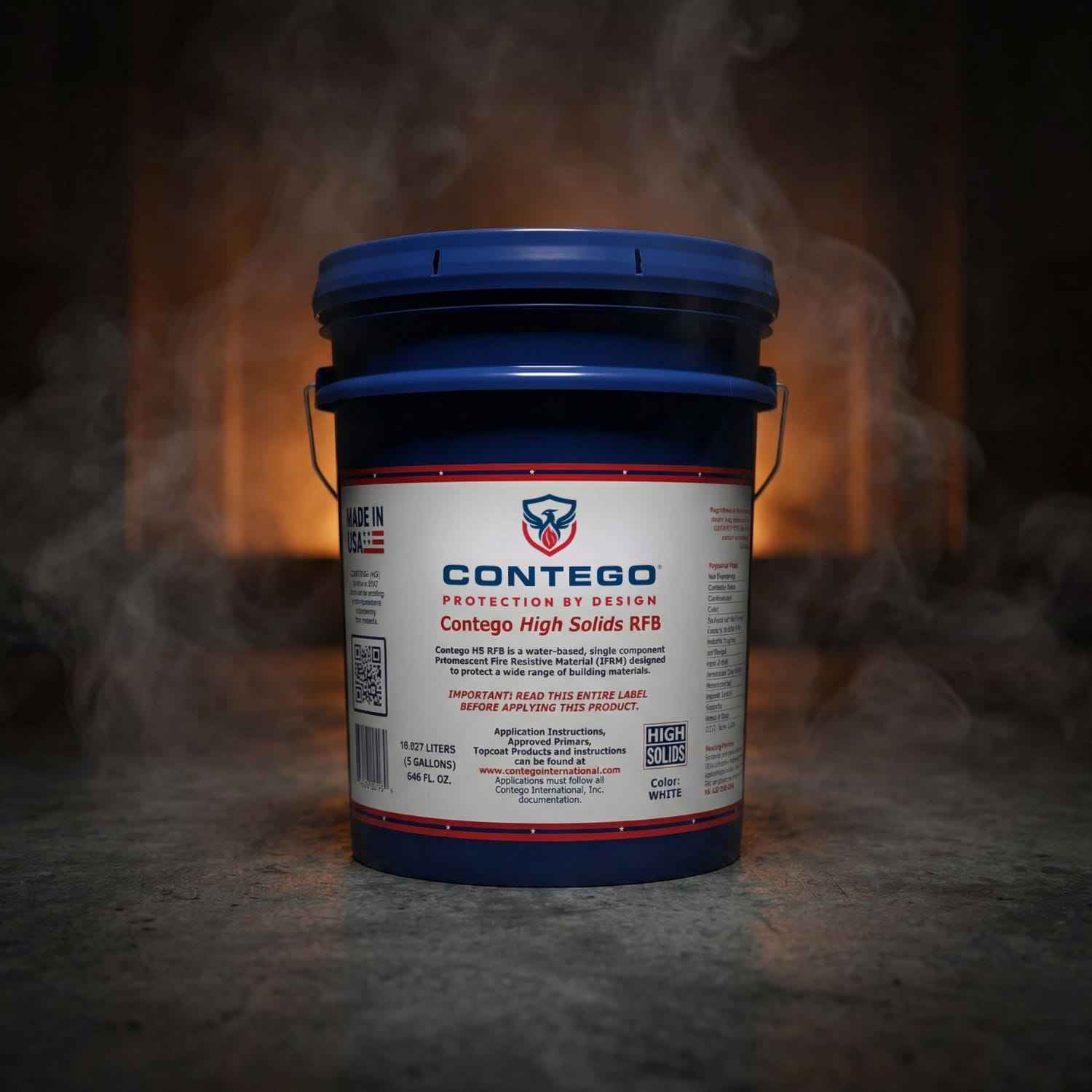
Contego High Solids
Recent Posts:
Two Solutions, One Purpose.
Fire Protection That Performs
Contego offers two distinct reactive coating technologies: one engineered for fire-resistance ratings on structural steel, and another designed for flame spread reduction on combustible substrates.
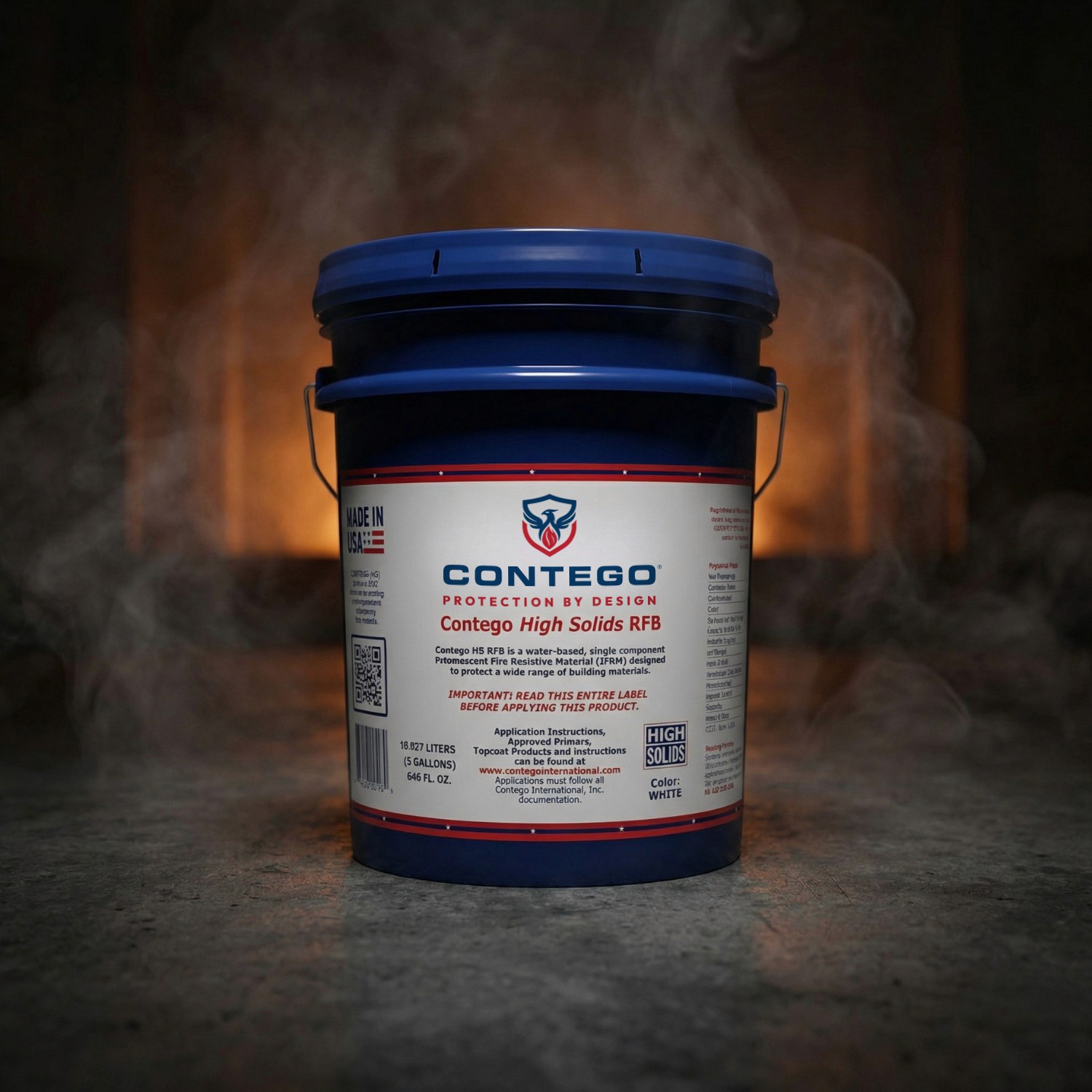
The Best in Fire Resistance
Thin-Film Intumescent Fire Protection for Structural Steel Contego listings protect a wide range of steel section factors, giving engineers greater flexibility across different structural shapes.
Key benefits:
Thin-Film Fire Protection
Low DFT Requirements
Broad Section Factor Coverage (W/D)
LEED v4, v4.1, and v5 Support
Tested Up to 3-Hour Ratings
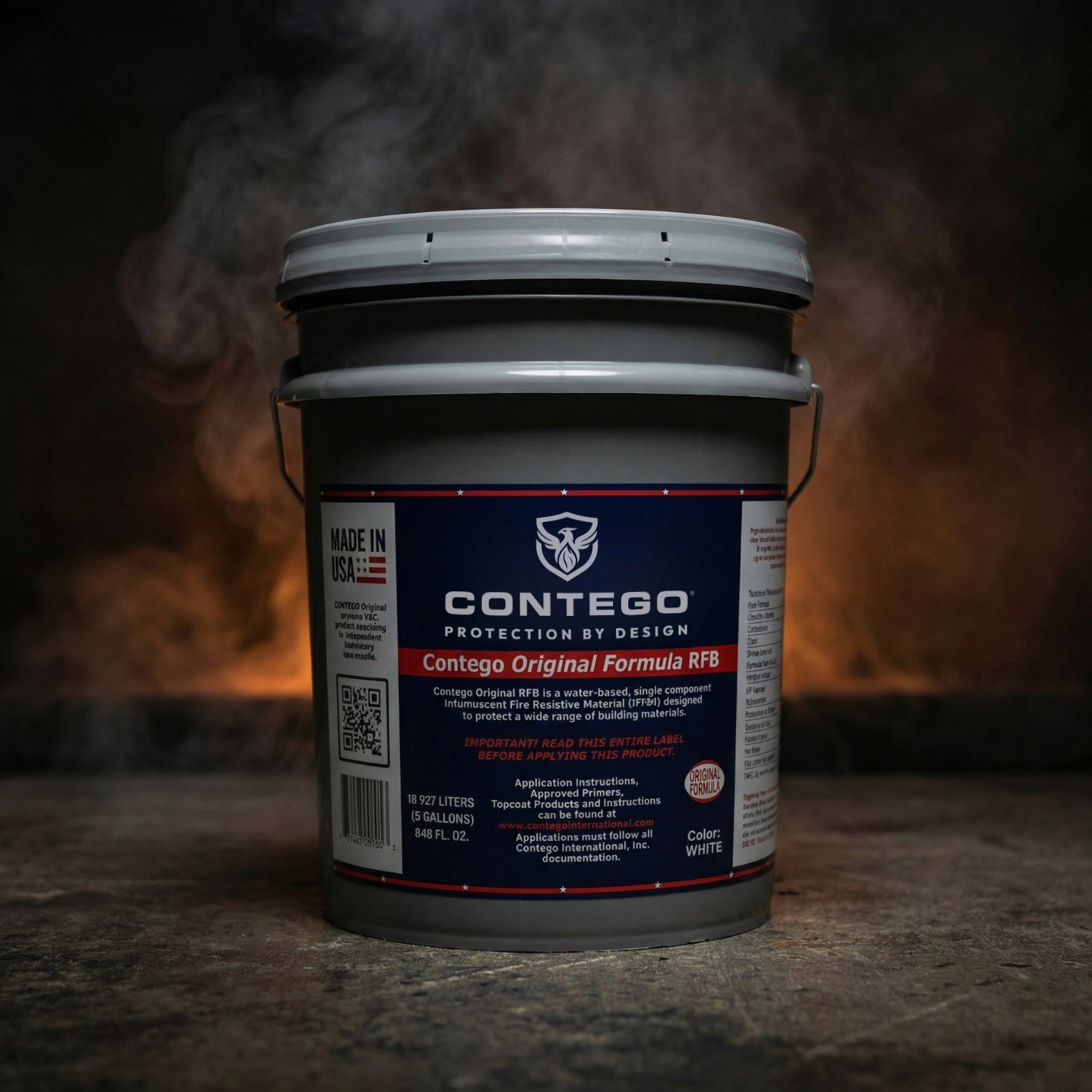
The Best in Fire Retardants
Fire Retardant Protection for Interior Building Materials Designed to improve the surface burning performance of common interior materials such as wood, foam, and SIP panels.
Key benefits:
Class A Fire Retardant Performance
Protects Multiple Interior Substrates
Smooth Architectural Finish
Zero VOC / Non-Toxic
Economical Fire Protection