Evaluating High-Solids Intumescent Coatings for Complex Steel Structures
Nov 2, 2026
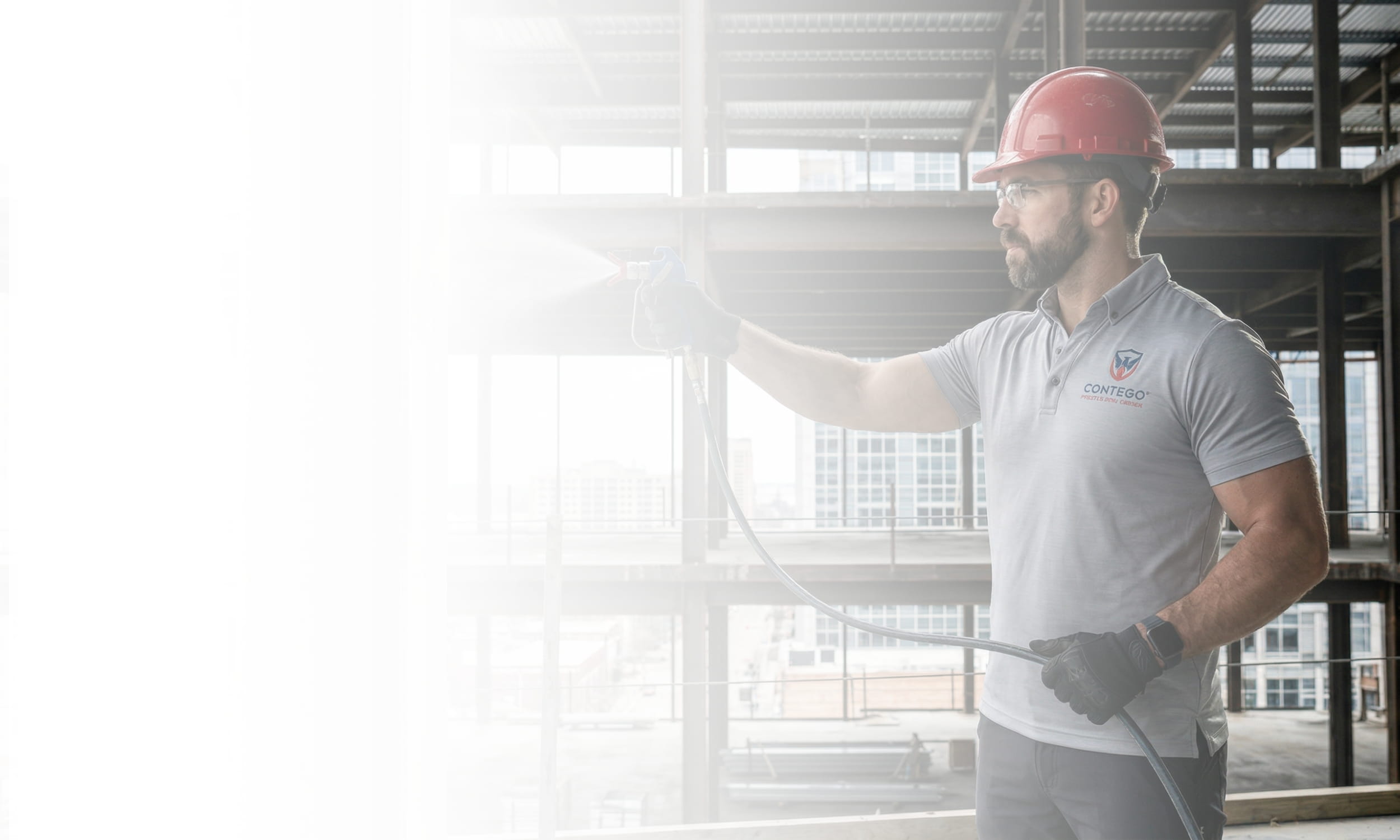
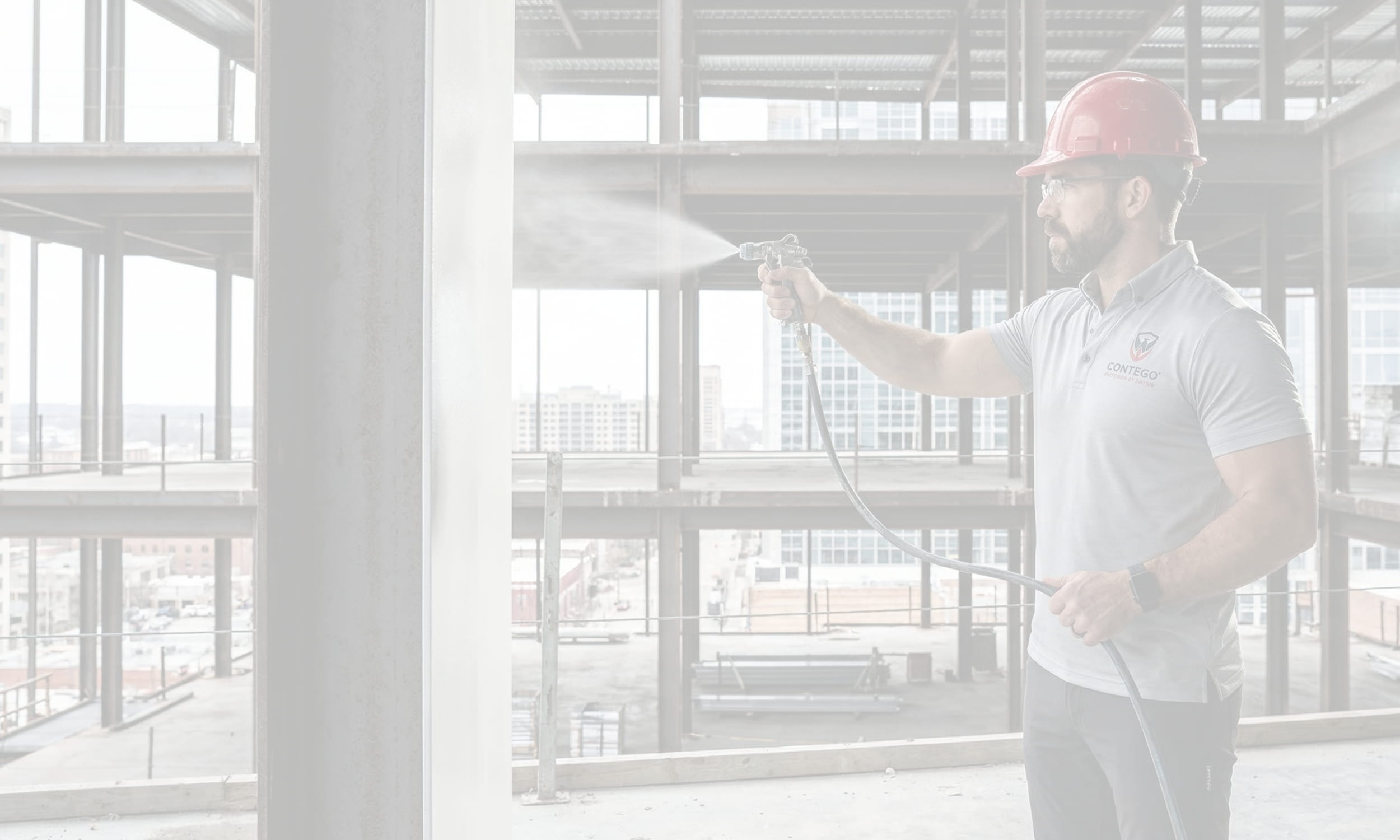
Architects and builders are using more exposed steel with bold shapes. That steel still needs serious fire protection, but no one wants to cover it in bulky fireproofing that hides the design or slows the schedule. High-solids intumescent coating gives you another path, especially when the steel is complex and the weather is cold.
In this article, we walk through what makes complex steel hard to protect, how high-solids intumescent coating actually works, and what to review before you pick a system. Our goal is simple: help your team choose fire protection that keeps the design clean, meets code, and still fits real job site conditions.
Rethinking Fire Protection for Complex Steel Designs
Architecturally exposed structural steel shows up in more commercial projects, mixed-use work, and public buildings every year. Long spans, open lobbies, feature stairs, and exposed bracing all push the steel into the spotlight. That is great for design, but it raises the stakes for fire protection.
You have to balance:
Required fire-resistance ratings
Slender steel profiles and tight reveals
Shorter construction windows, especially through winter
Owner expectations for clean, smooth finishes
Traditional fireproofing can meet ratings, but it can also add weight, change dimensions, and eat into schedule. High-solids intumescent coating is a newer option that can reach ratings with fewer coats and less film build, while keeping the steel visible and refined.
In the sections that follow, we share how to decide if a high-solids system makes sense for your project, what performance data really matters, and why product choice becomes more important as details and schedules tighten.
Why Complex Steel Pushes Coatings to Their Limits
Not all steel is a simple wide-flange beam. Complex steel can include:
Castellated or cellular beams
Trusses and space frames
Curved or bent members
Heavy transfer girders and mega-columns
Connection-heavy nodes with many braces and plates
Tight architectural reveals and layered framing
On this kind of steel, application gets tricky. Applicators have to keep a consistent dry film thickness around flanges, edges, and penetrations. Vertical legs, tight corners, and crowded joints raise the risk of runs, sags, and missed spots.
Conventional intumescent systems often need several coats to hit higher ratings. Each coat means:
More labor and staging around busy steel
More time waiting for cure in cold or damp air
More chances for damage from other trades and rework
When schedules compress or winter work pushes activity indoors, those extra steps can squeeze the critical path. That is where high-solids coating starts to stand out.
Understanding High-Solids Intumescent Coating Technology
High-solids intumescent coating has more solids and less water in each gallon compared to many conventional systems. In simple terms, more of what you spray stays on the steel as a dry film. This matters a lot on complex shapes.
For everyday use, that can mean:
Fewer coats to reach the same rating
Lower total film build on exposed steel
Less shrinkage and fewer pinholes at sharp edges
Because the coating builds better on corners and curves, you get more predictable coverage across mixed member sizes. That helps when one bay includes wide-flange beams, tubes, braces, and nodes, all in the same field of view.
There are also job site and environmental benefits, especially on enclosed winter projects:
Low VOC content that fits tighter indoor air expectations
Film integrity that holds up across changing temperatures and humidity
Support for owners who care about green building goals and ESG language
At Contego International, we focus on Intertek and UL-listed, architectural-grade intumescent coatings made in the USA. High-solids technology is one of the ways we help teams keep complex steel both protected and visible.
Key Criteria for Evaluating Fire Protection on Complex Steel
When you are reviewing systems for complex or exposed steel, a few points deserve close attention.
Fire resistance and testing
UL listings that cover a range of steel shapes
Thickness tables based on different profiles
Clear guidance for I-sections, hollow sections, and built-up shapes
This helps your team size the coating for real-world steel packages, including large girders and smaller braces in the same frame.
Application and constructability
Product data should spell out:
W/D or Hp/A limits that work with your member sizes
Compatibility with common shop primers
Realistic cure times in cool or damp conditions
On winter projects, that cure window is especially important. If the coating needs long warm periods between coats, it can strain staging, heat, and temporary enclosure plans.
Durability and aesthetics
For architecturally exposed steel, the finish is part of the design. A good intumescent system should:
Deliver a smooth, architectural-grade surface
Resist cracking at welds and busy connection points
Keep reveals, lighting lines, and shadow gaps clear
A slimmer system helps the steel read as designed, instead of looking heavy or swollen under thick fireproofing.
How High-Solids Systems Impact Schedule and Budget
High-solids intumescent coating can shift both schedule and total installed cost, especially on complex steel.
On the schedule side, you often see:
Fewer coats to reach target ratings
Less masking and staging around tight connections
Easier access for applicators in congested steel areas
When other trades are stacked in the same space, those saved days and passes can matter as much as any material choice.
For cost, it helps to look beyond price per gallon. Total installed cost is shaped by:
Required thickness for each rating and shape
Number of spray passes and touchups
Labor hours for access, masking, and rework
Equipment needs like lifts and scaffolding
High-solids systems can also support risk management. With fewer interfaces between coats, there are fewer points where something can go wrong, like poor adhesion between layers or accidental damage that needs repair. That can lower the odds of punch-list surprises or schedule slips that disrupt tenant move-in plans.
What to Look for in a High-Solids Intumescent Partner
Product selection is only part of the story. The partner behind the coating matters just as much, especially on complex steel.
Helpful traits include:
Technical support that can run project-specific thickness checks
Help working through tricky node details with the design team
Coordination with the structural engineer and fire consultant early in design
You also want a clear track record. Systems that have been used on exposed or complex steel through different seasons tend to come with better field feedback from applicators and general contractors.
Finally, look at system completeness. A fully tested system includes primer, intumescent, and topcoat that are designed to work together and align with building codes and listed designs. Clear documentation makes it easier for your team to work with the authority having jurisdiction and keep submittal reviews moving.
Move From Compromise to Confidence in Complex Steel Fireproofing
Complex, exposed steel no longer has to mean a trade-off between design, code, and constructability. High-solids intumescent coating gives design teams a way to keep steel expressive while still meeting strict fire-resistance ratings and real job site schedules.
When winter phases, tight reveals, or intricate connection layouts are on the table, it pays to review intumescent options early. At Contego International, we work with architects, specifiers, and contractors to align fire protection strategies with both performance needs and visual goals, so complex steel can stay safe, clean, and exactly as bold as you planned.
Protect Your Next Project With Proven Fire-Resistant Performance
If you are ready to upgrade structural fire protection, our high-solids intumescent coating delivers reliable performance without slowing down your schedule. At Contego International, we work with your team so specifications, application, and inspection are straightforward from day one. Tell us about your project and we will help you select the right solution and coverage strategy. For technical support or bid assistance, contact us today.
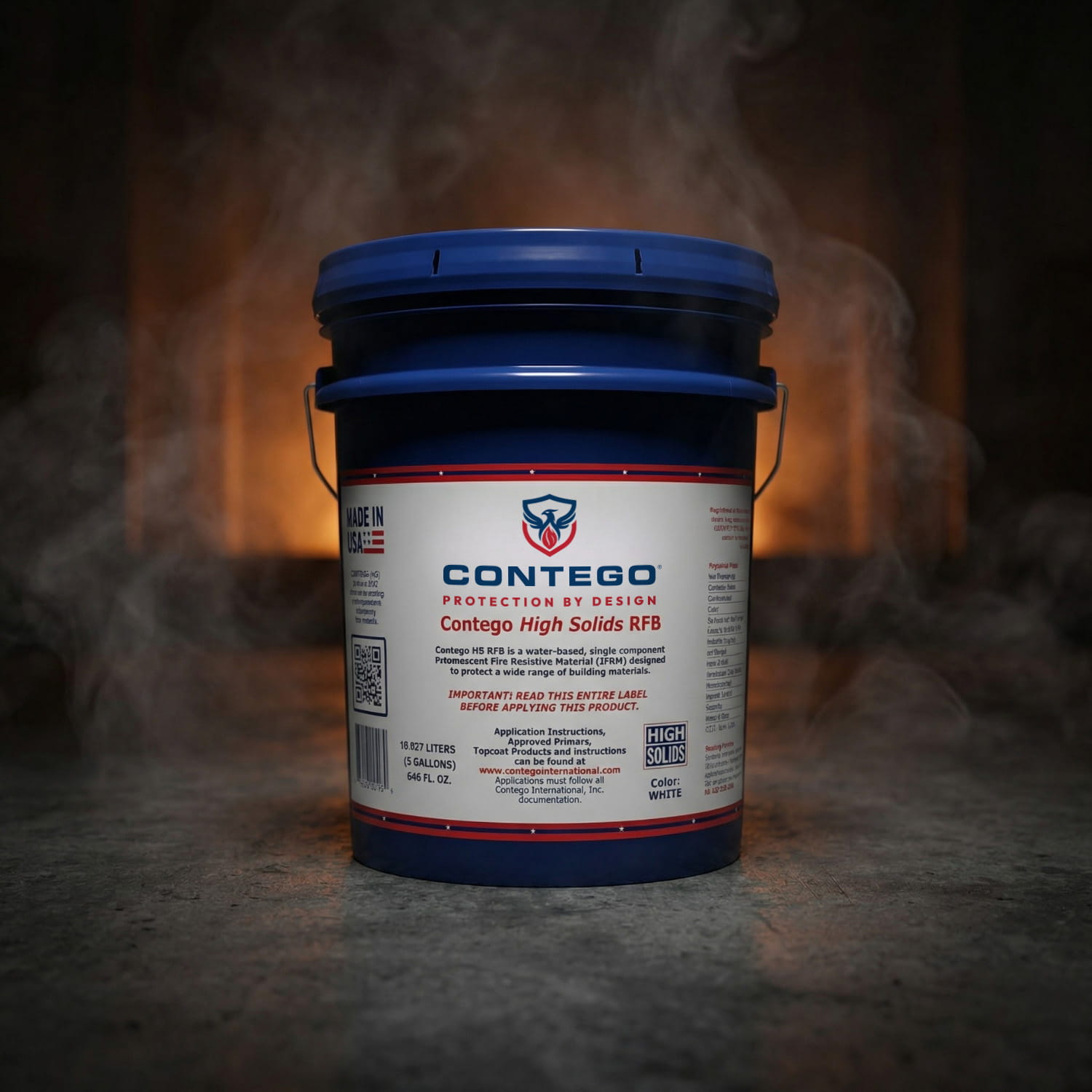
Contego High Solids
Recent Posts:
Two Solutions, One Purpose.
Fire Protection That Performs
Contego offers two distinct reactive coating technologies: one engineered for fire-resistance ratings on structural steel, and another designed for flame spread reduction on combustible substrates.
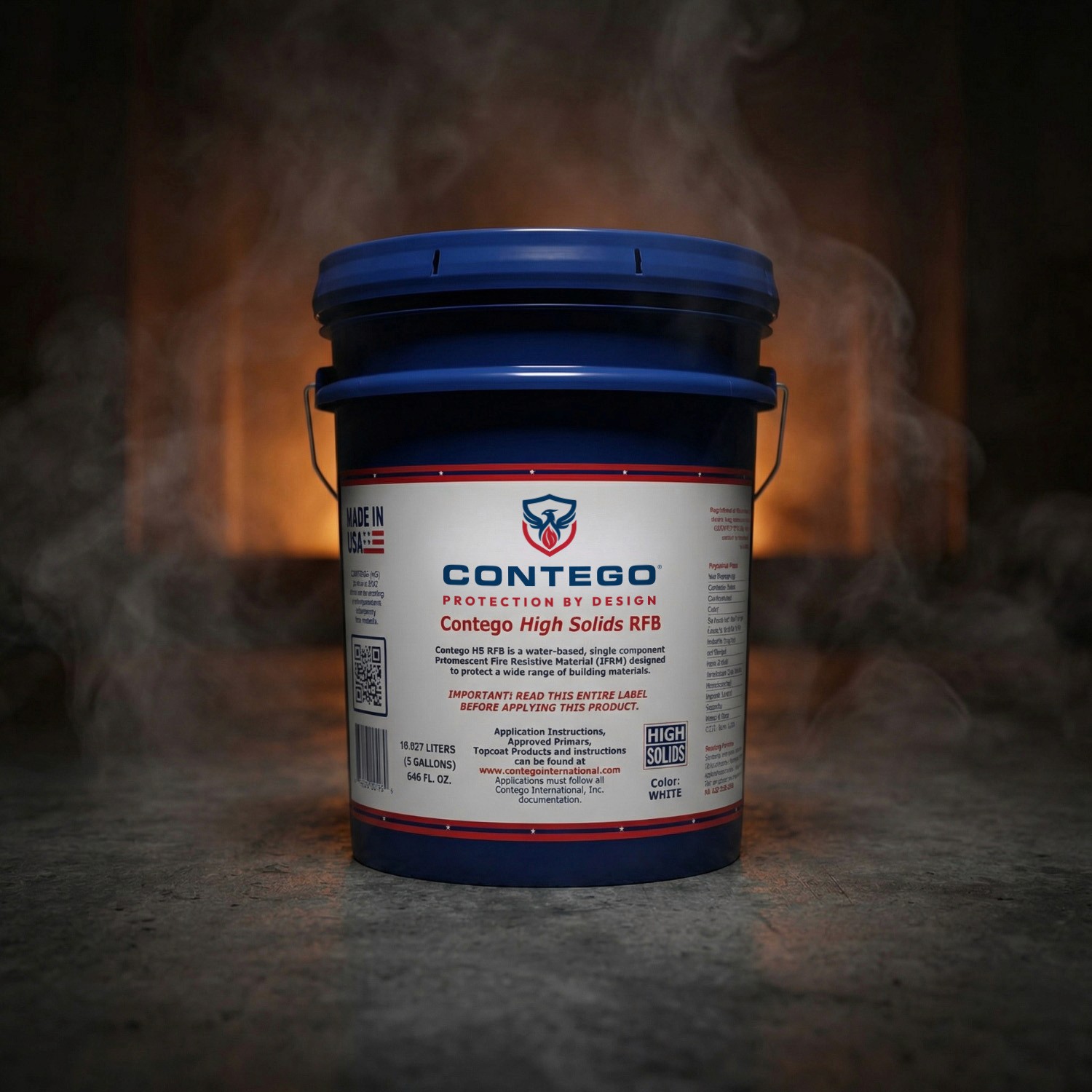
The Best in Fire Resistance
Thin-Film Intumescent Fire Protection for Structural Steel Contego listings protect a wide range of steel section factors, giving engineers greater flexibility across different structural shapes.
Key benefits:
Thin-Film Fire Protection
Low DFT Requirements
Broad Section Factor Coverage (W/D)
LEED v4, v4.1, and v5 Support
Tested Up to 3-Hour Ratings
The Best in Fire Retardants
Fire Retardant Protection for Interior Building Materials Designed to improve the surface burning performance of common interior materials such as wood, foam, and SIP panels.
Key benefits:
Class A Fire Retardant Performance
Protects Multiple Interior Substrates
Smooth Architectural Finish
Zero VOC / Non-Toxic
Economical Fire Protection