

Fire Protection Coatings: Damage Repair and Long-Term Maintenance
Aug 3, 2026
Protecting Design Integrity After Move-In
Exposed structural steel can be the star of a space. In lobbies, museums, offices, hotels, and cultural buildings, those clean lines and bold shapes are a big part of the brand and guest experience. When that steel carries an intumescent fire protection coating system, it is doing double duty, both protecting life safety and delivering the look the design team worked so hard to create.
But the building people move into is not the building that exists after a few years of daily use. Tenants change, furniture moves, new signs go up, events come and go, and operations staff work under tight schedules. All of that real-world activity bumps into the coated steel. Scrapes happen. New penetrations get made. Cleaning gets a little too aggressive.
The real challenge is keeping both the fire-resistance rating and the visual intent intact over time. We want owners, architects, contractors, and maintenance teams to see architectural-grade fire protection coating systems as a long-term asset, not a one-time install. A smart post-occupancy plan becomes risk management plus design insurance, so the steel keeps doing its job and keeps looking like part of the architecture, not an afterthought.
How Real-World Use Impacts Fire Protection Coatings
Once a high-design space is open, daily use starts to test every surface, including coated steel. Even with careful staff and respectful tenants, certain kinds of wear and damage are very common.
Typical sources of impact and damage include:
Carts, luggage, and cleaning equipment bumping into columns
New tenant fit-outs that add partitions, screens, or hanging elements
Fasteners driven through the coating for signage or technology mounts
New MEP penetrations or brackets added in the field
Cleaning and seasonal décor can also put pressure on coatings. When teams tape signs to steel, hang heavy decorations, or scrub with abrasive pads, the finish can get scratched or thinned. Over time, this kind of repeated abrasion can expose the primer or even the bare steel.
Environmental conditions matter too, especially in places with real seasonal swings. Atriums, entries, and façade-adjacent steel can see:
High summer humidity that pushes moisture into joints and small cracks
Dry winter air that stresses joints and small gaps in the coating
Temperature swings from HVAC adjustments near diffusers or curtain walls
Not every mark is serious. Some issues are mostly cosmetic, like:
Light scuffs from shoes or bags
Surface dirt or dust streaks
Minor color variation from nearby lighting or sunlight
Other issues can affect performance and need quick attention:
Deep gouges that expose primer or bare steel
Delamination or peeling of the coating film
Corrosion showing as rust bleed-through under the coating
Unprotected cut edges on new steel or added brackets
Knowing the difference between a cosmetic flaw and a performance risk is the first step in any smart maintenance plan.
Building a Post-Occupancy Inspection and Touch-up Plan
A good inspection plan fits into the natural rhythm of the building. Instead of random spot checks, it helps to tie coating reviews to moments when people are already walking and looking closely at the space.
Helpful times to schedule inspections include:
Before and after tenant turnover or major fit-outs
During annual life-safety or fire protection reviews
Early summer, before peak event and tourist seasons
Any time large construction work happens near exposed steel
During these walkthroughs, facility managers, contractors, or third-party inspectors should look for:
Cracks, impact marks, scrapes, and dents in the coating
Rust bleed-through, staining, or bubbles that hint at trapped moisture
Exposed substrate or primer at edges, corners, or new attachments
Discoloration or chalking near HVAC diffusers or windows
Moisture staining from roof leaks, sprinkler hits, or cleaning spills
Once you see issues, document them. A simple framework helps:
Take clear photos, both close-up and pulled back for context
Mark locations on floor plans or digital drawings
Note the type of damage and the suspected cause
Flag areas where you may need dry film thickness checks
Before any major intervention, it is smart to talk with the fire protection coating systems manufacturer. They can help confirm the right repair method, check compatibility, and keep the system within its tested and listed use.
Best Practices for Touch-Ups in High-Design Spaces
Touch-up work on exposed steel is not just about patching a hole. The goal is to restore the fire rating and keep the surface looking like it was never disturbed. Planning is key.
A typical touch-up sequence includes:
Careful surface prep to remove loose coating, rust, and dirt
Use of compatible primers recommended for that system
Re-application of the intumescent coating to the proper thickness
Color-matched topcoats that blend with surrounding steel
In feature areas, a patchwork look can ruin the design story. Coordination helps avoid that. Architects, contractors, and maintenance teams should:
Review visible areas and agree on acceptable color and sheen matches
Use mockups in the most sensitive locations before large repairs
Schedule work during low-occupancy times to reduce disruption and overspray risk
Using the original system, or a manufacturer-approved equivalent, matters. That keeps the fire protection coating system consistent with the tested assembly and supports any warranty or listing requirements. Substituting random products or unapproved topcoats can create weak points and confuse inspectors later.
Long-Term Maintenance Strategies for Code and Aesthetics
A written maintenance program for intumescent coatings makes life easier for owners, facility teams, and design partners. It creates a clear record that shows authorities and insurers that the building is not only designed for safety, but cared for over time.
That program can be folded into the larger asset management plan for the property:
Link coating inspections with roof checks, HVAC service, and façade cleaning
Add intumescent repair standards to tenant improvement guidelines
Flag high-traffic or high-risk areas for more frequent review, like loading zones or lobby corners
Training is just as important as planning. In-house teams and service providers should know what not to do, such as:
Using harsh or abrasive cleaning pads on coated steel
Overpainting with unapproved paints or generic touch-up products
Drilling, anchoring, or welding into coated steel without review
Cutting new openings in coated members without a repair plan
When everyone understands that the coating is a life-safety system and a finished surface, they treat it with more care.
Elevating Post-Occupancy Performance with Contego
At Contego International, we see architectural fire protection coating systems as living parts of the building, not static paint jobs. When design teams and facility managers treat them as managed lifecycle systems, they protect both people and the long-term design legacy of the space.
A simple action plan for exposed steel in high-design environments can include:
Confirming and organizing as-built coating documentation
Setting an inspection calendar tied to existing building cycles
Creating a clear damage and touch-up protocol, including who calls whom and when
Aligning all contractors and vendors with approved coating maintenance procedures
With the right plan, high-design spaces can keep their exposed steel bold and expressive, while the coatings quietly stand ready for the unthinkable. That balance of safety and aesthetics is what we focus on every day at Contego International.
Get Started With Your Project Today
Protect your facility with proven performance using our advanced fire protection coating systems tailored to your project requirements. At Contego International, we work directly with your team to align specifications, timelines, and budgets for compliant fireproofing outcomes. Reach out so we can review your drawings, answer technical questions, and recommend the right solution. To discuss your project in detail, contact us today.
Contego High Solids
Recent Posts:
Two Solutions, One Purpose.
Fire Protection That Performs
Contego offers two distinct reactive coating technologies: one engineered for fire-resistance ratings on structural steel, and another designed for flame spread reduction on combustible substrates.
The Best in Fire Resistance
Thin-Film Intumescent Fire Protection for Structural Steel Contego listings protect a wide range of steel section factors, giving engineers greater flexibility across different structural shapes.
Key benefits:
Thin-Film Fire Protection
Low DFT Requirements
Broad Section Factor Coverage (W/D)
LEED v4, v4.1, and v5 Support
Tested Up to 3-Hour Ratings
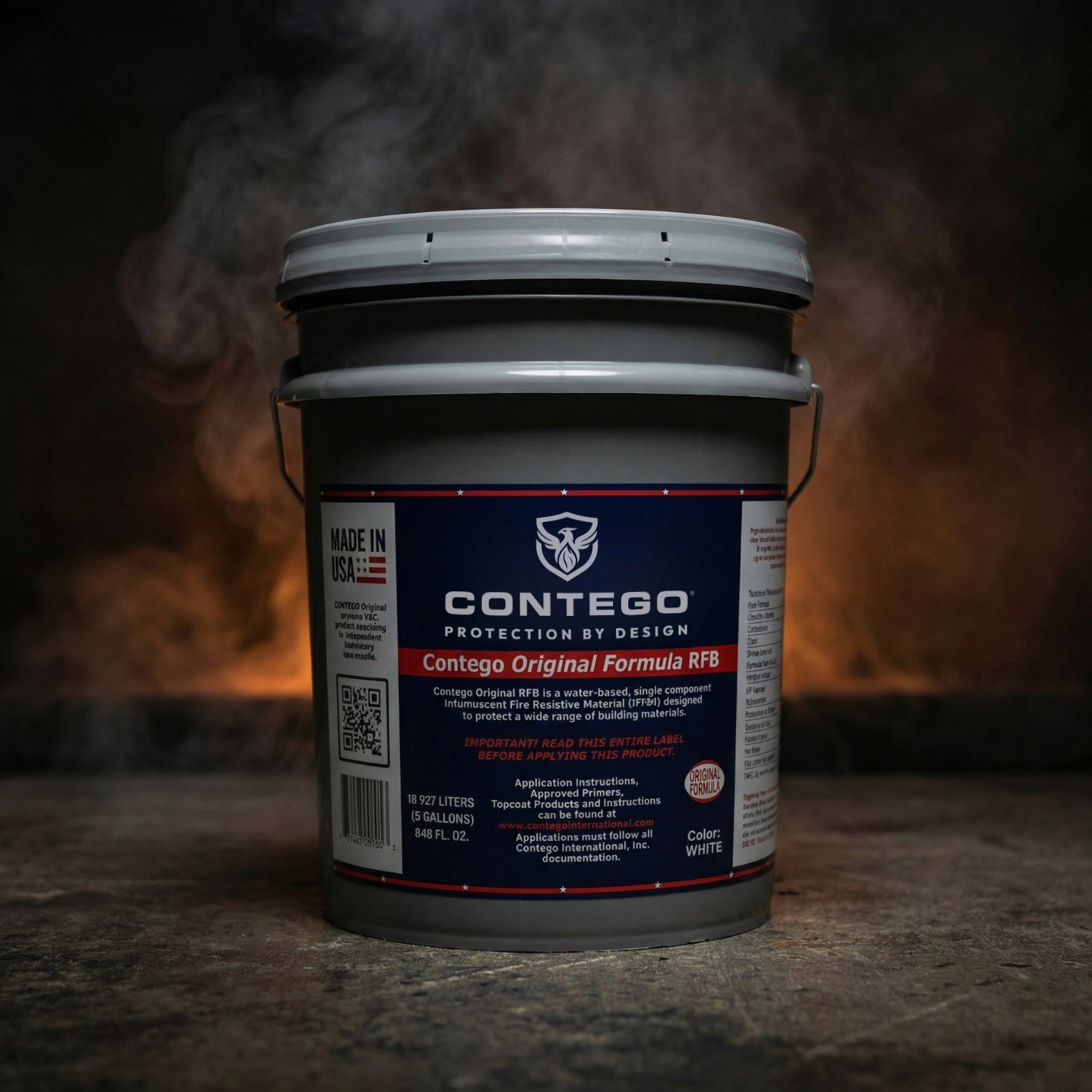
The Best in Fire Retardants
Fire Retardant Protection for Interior Building Materials Designed to improve the surface burning performance of common interior materials such as wood, foam, and SIP panels.
Key benefits:
Class A Fire Retardant Performance
Protects Multiple Interior Substrates
Smooth Architectural Finish
Zero VOC / Non-Toxic
Economical Fire Protection