

Designing with Architectural Fire Protection Coating in Mind
Sep 21, 2026
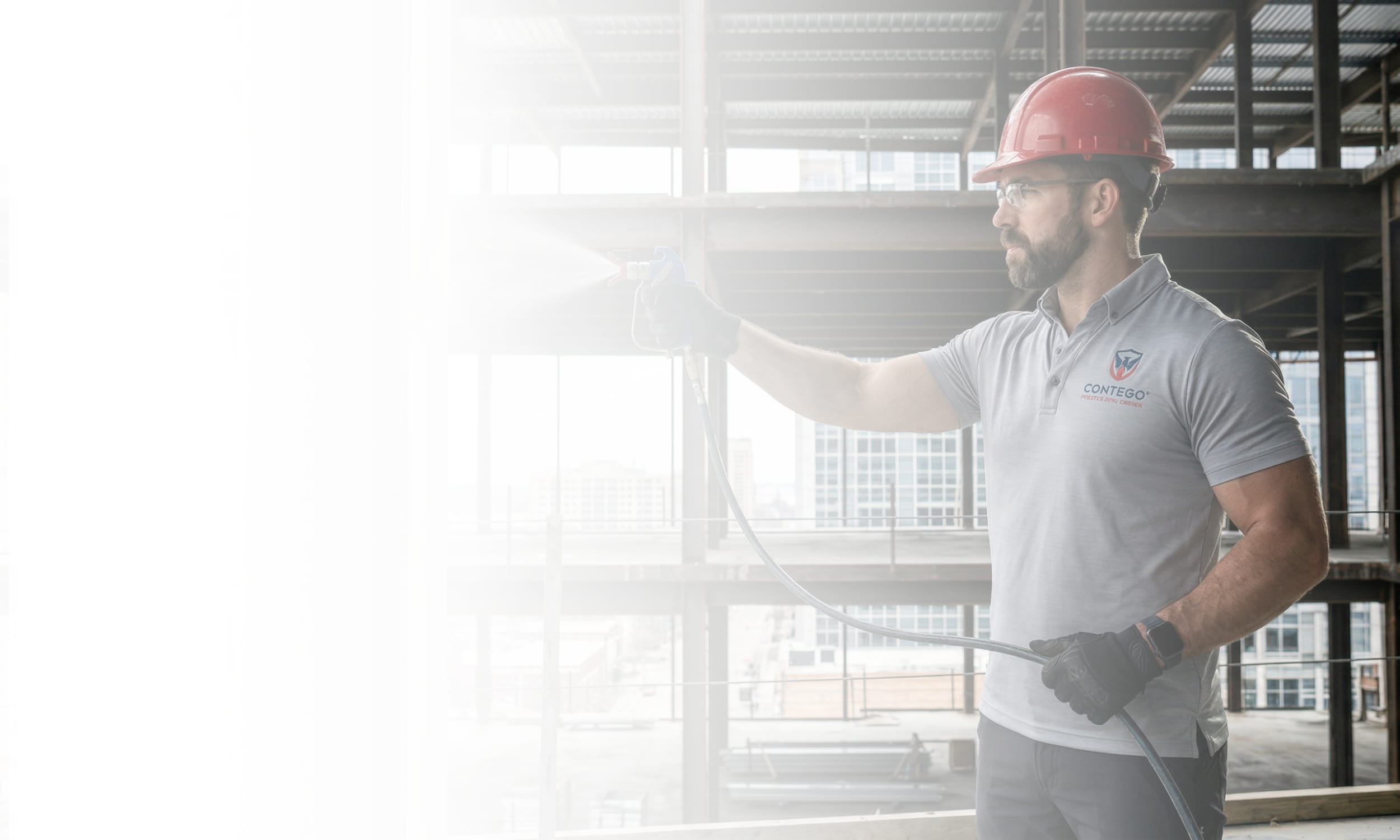
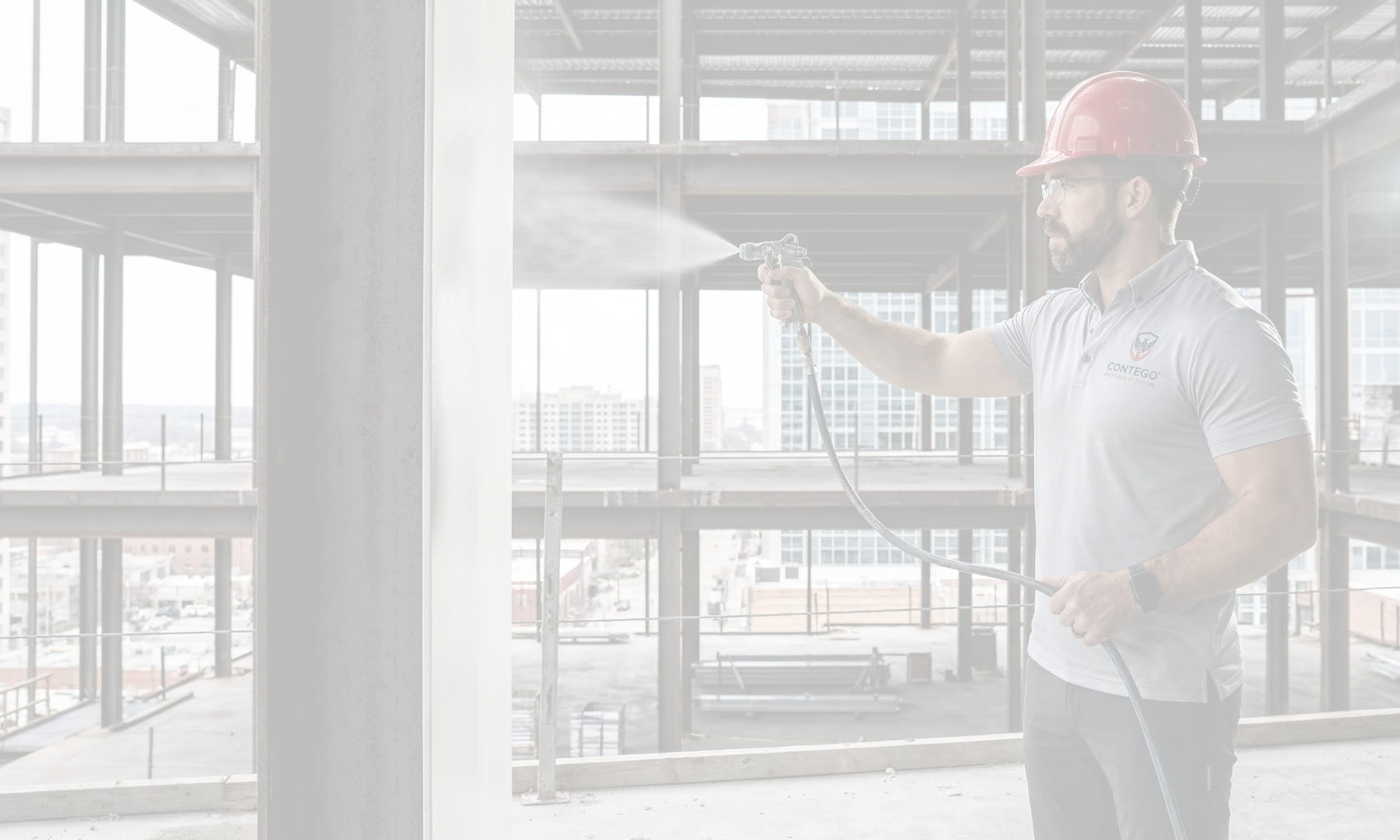
Architectural fire protection coating lets you protect people and property without giving up the look of your structure. When you plan for it early, you can keep the clean lines, exposed steel, and open ceilings your clients love, while still meeting fire codes and inspection requirements.
Fall building season is when those choices really start to matter. Architects are locking in details, and contractors are trying to get structures enclosed before cold weather hits. This is the perfect moment to decide how your fire protection will work with your design, not against it.
Design Beauty That Passes the Fire Test
Architectural fire protection coating is no longer just a hidden layer behind drywall. On many projects, it is part of the design story. Exposed steel in lobbies, atriums, and open office ceilings stays visible, but now it also carries fire resistance.
Instead of bulky boxed enclosures or rough spray-applied fireproofing, a smooth intumescent coating can:
Follow the shape of the steel
Keep sharp edges and clean lines visible
Take color and sheen like other architectural finishes
At Contego International, we manufacture UL and Intertek listed intumescent fire protection coatings for structural steel and other substrates. Our focus is simple: help project teams meet fire codes without giving up the look they worked so hard to design, and without adding stress to already tight schedules.
In the sections that follow, we will walk through how to design with architectural fire protection coating in mind from concept through construction so you can avoid late redesigns and finish with clean, code-compliant results.
Why Fire Protection Must Start in Schematic Design
Fire protection choices should not wait until the end of construction documents. When fireproofing is an afterthought, it often leads to last-minute fixes that nobody likes.
Early coordination between the architect, structural engineer, and fire protection consultant helps you:
Decide fire-resistance-rating targets for each area
Match member sizing and shapes to the planned coating system
Avoid surprise build-ups at beams, columns, and braces
If you plan to use architectural fire protection coating, you can size members and pick profiles that work well with UL or Intertek listed intumescent systems. That can change how you think about:
One-hour, two-hour, or three-hour ratings
Whether steel is fully exposed or partly hidden
How ceilings and partitions tie into the structure
Waiting too long to decide often means redesign fees, extra RFIs, and field rework, just as cold weather starts to limit when and how coatings can be applied. When intumescent coatings are part of the basis of design, you get cleaner connection details, smoother transitions to ceilings and walls, and a more direct path to choosing the right UL or Intertek assemblies.
How Architectural Fire Protection Coating Shapes Aesthetics
Architectural fire protection coating turns fire safety into a design tool. When the structure is part of the visual language, every surface matters.
Compared to traditional spray-applied fireproofing or boxed enclosures, intumescent coatings offer:
Smooth, paint-like surfaces instead of rough texture
Crisp edges at flanges and webs
Better support for architectural-grade finishes
You can keep exposed steel in:
Entry lobbies and atriums
Retail and cultural spaces
Open office ceilings and collaboration zones
Key aesthetic choices include:
Gloss level: flat, eggshell, or higher sheen
Texture: very smooth or slightly varied
Topcoat color: dark steels, warm metals, and high-contrast palettes that fit fall and winter schemes
When you specify UL or Intertek listed systems with known finish quality, you can confidently show exposed steel in renderings and presentations without worrying that fireproofing changes will appear late in the project and force you to hide that steel behind something else.
Detailing for Performance, Code, and Constructability
Fire-resistance ratings are not just numbers on a code sheet. They tie directly to tested systems. Every UL or Intertek listed intumescent system is tested for specific:
Member sizes and shapes
Orientations and exposure conditions
Coating thickness and installation details
Good detailing starts with matching your steel schedule to tested assemblies. From there, think about:
Edge and connection coverage so plates, stiffeners, and brackets are protected
Transitions where coated steel meets rated walls or ceilings
Complex shapes like curved members, braces, and trusses
Architectural fire protection coating can also support mixed-material designs, including certain concrete and specialty substrates, when the system is designed for that use. This is especially helpful for commercial and industrial projects that blend concrete, steel, and other materials in one space.
Constructability matters as temperatures drop. Coating application must line up with:
Structure dry-in and enclosure
Interior humidity control and HVAC start-up
Other trades that share access to the steel
Planning the sequence lets the fireproofing crew work in the right conditions and keeps rework to a minimum.
Balancing Performance, Cost, and Long-Term Durability
When you choose an architectural fire protection coating system, you want more than just a rating on paper. You want performance that lasts in real spaces.
Things to weigh include:
Required fire-resistance ratings in each area
Exposure conditions, like interior public spaces or protected service zones
Aesthetic goals, such as color and sheen
Total cost of ownership across the life of the building
High-performance UL or Intertek listed intumescent coatings offer long-term benefits in occupied spaces. They are designed to stand up to everyday use and can be easier to touch up after tenant improvements than more fragile surface finishes.
Cold and wet weather can slow projects. The right coating system, applied in the right window, can help reduce delays, limit field rework, and support phased occupancy when schedules are tight toward year-end. Working with the manufacturer early helps teams:
Optimize required thicknesses
Select compatible primers and topcoats
Avoid substitutions that do not match the tested system
At Contego International, we support that process with technical guidance tied to our UL and Intertek listed products so teams can make clear, informed decisions.
Practical Specification Tips for Architects and Contractors
Good specifications make architectural fire protection coating easier to build and inspect. Clear, simple notes help everyone understand what is expected.
On the drawings and in the specs, consider:
Calling out coated steel in both fire protection and finish sections
Flagging exposed steel on finish schedules, not just structural sheets
Adding key coordination notes where partitions, ceilings, and steel meet
For performance-based specs, many design teams include:
Required UL listings or equivalent tested systems
Minimum ratings and member types included
Acceptable manufacturers and required documentation
Surface prep standards and QA or QC testing needs
Application qualifications for contractors and applicators
Coordination steps that help projects move smoothly through the busy end of the year include preconstruction meetings focused on fireproofing, visual mock-ups for aesthetic approval, and inspection plans that line up with field conditions and access.
Manufacturer resources like data sheets, listing details, and technical support can reduce questions, shorten submittal review times, and help ensure coatings are installed in line with how they were tested.
Turn Your Next Project Into a Fire-Ready Design Showcase
When you design with architectural fire protection coating in mind from day one, you protect lives and property while keeping the architecture open, honest, and expressive. Steel stays part of the story instead of something that has to be hidden later.
For architects, contractors, and fireproofing professionals planning fall and winter project starts, this is a good time to revisit current details and specs and look for places where UL listed intumescent systems can support the design intent. When safety, code compliance, and aesthetics all line up, the result is a building that is ready for inspection and ready to be proudly shown in any portfolio.
Get Started With Your Project Today
If you are planning a new build or retrofit and need proven fire performance without sacrificing design, our architectural fire protection coating can help you meet code and protect occupants. At Contego International, we work directly with your team to align specifications, testing data, and application guidelines with your project timeline. Share your drawings and requirements with us so we can recommend the right solution and integrate it smoothly into your workflow. To discuss your project in detail or request support, simply contact us.
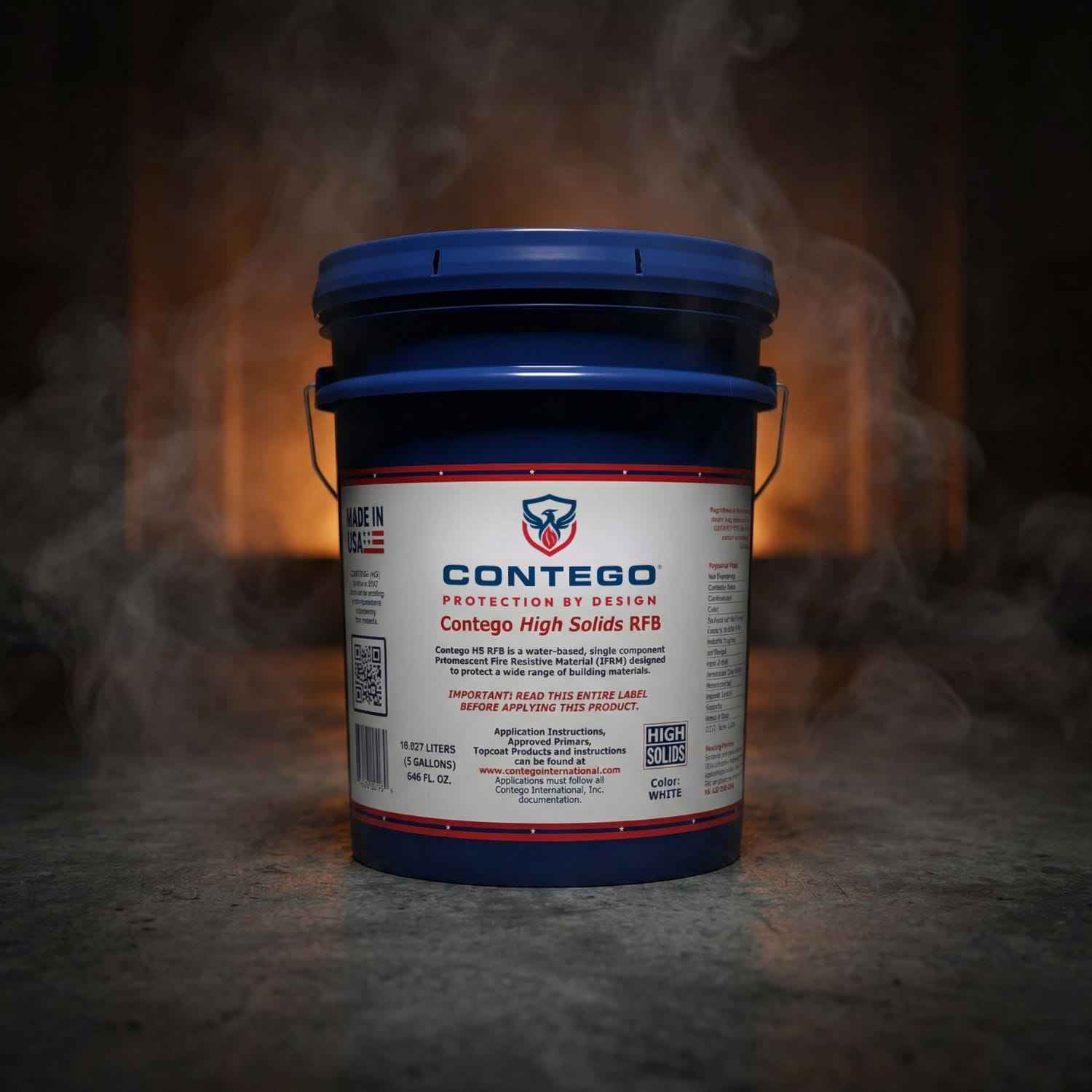
Contego High Solids
Recent Posts:
Two Solutions, One Purpose.
Fire Protection That Performs
Contego offers two distinct reactive coating technologies: one engineered for fire-resistance ratings on structural steel, and another designed for flame spread reduction on combustible substrates.
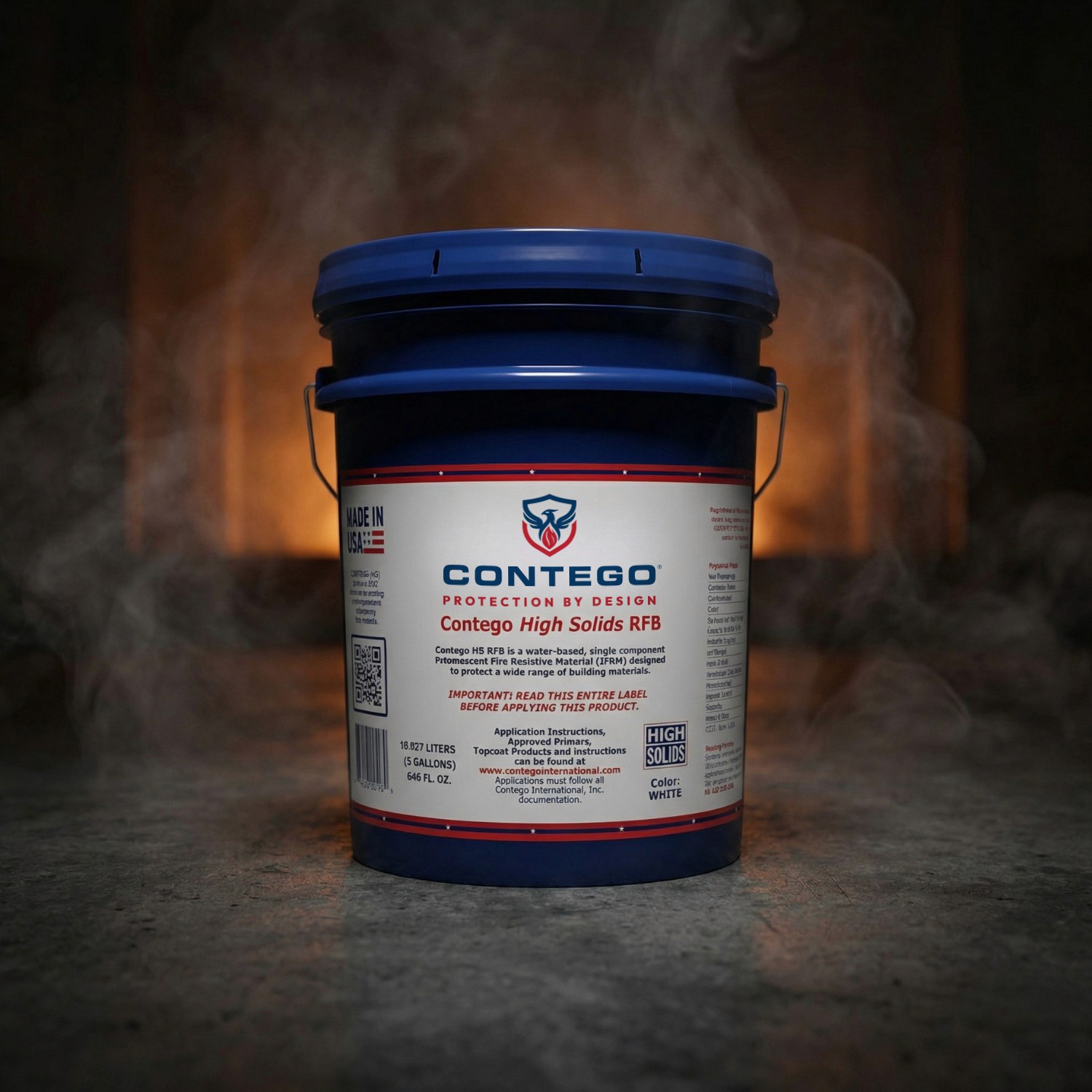
The Best in Fire Resistance
Thin-Film Intumescent Fire Protection for Structural Steel Contego listings protect a wide range of steel section factors, giving engineers greater flexibility across different structural shapes.
Key benefits:
Thin-Film Fire Protection
Low DFT Requirements
Broad Section Factor Coverage (W/D)
LEED v4, v4.1, and v5 Support
Tested Up to 3-Hour Ratings
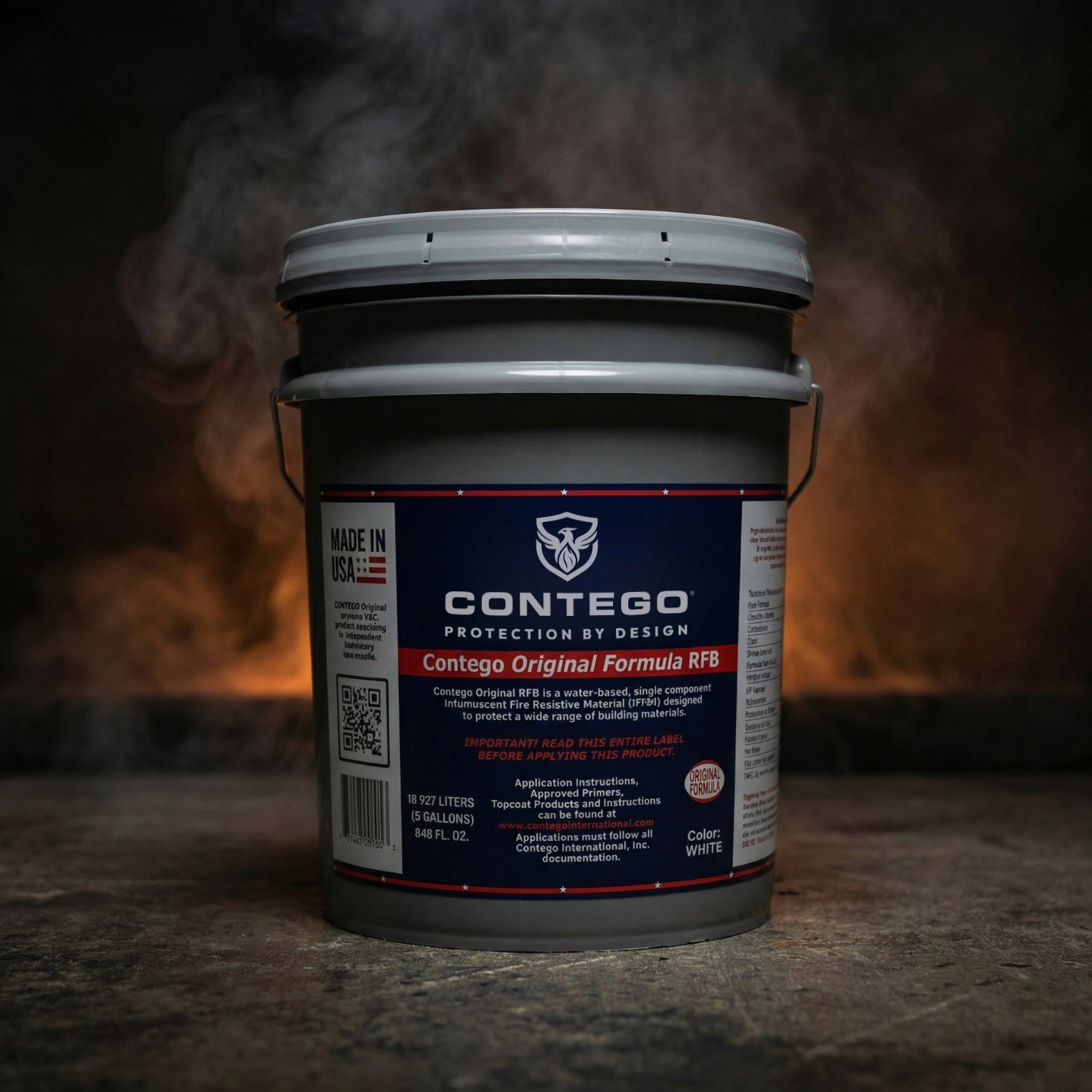
The Best in Fire Retardants
Fire Retardant Protection for Interior Building Materials Designed to improve the surface burning performance of common interior materials such as wood, foam, and SIP panels.
Key benefits:
Class A Fire Retardant Performance
Protects Multiple Interior Substrates
Smooth Architectural Finish
Zero VOC / Non-Toxic
Economical Fire Protection