

Leveraging MasterSpec Fireproofing to Streamline Steel Design
Aug 31, 2026
Turning MasterSpec Fireproofing Into a Design Advantage
MasterSpec fireproofing sections can either keep your steel projects on track or quietly slow them down. When fire protection choices are late or unclear, they reach into almost every corner of the design, from member sizes to finish details to construction sequencing.
In this article, we focus on how to use MasterSpec fireproofing content as a real design tool, not just a box to check. We look at why it matters especially as late-summer deadlines hit, how to line up fire ratings with structural choices, and how pairing MasterSpec with high-performance intumescent coatings can help reduce redesigns, RFIs, and change orders.
As August and September milestones approach, many teams are rushing to lock in drawings, submit for permit, and get steel packages ready before the weather turns. When fireproofing is decided early and clearly, you have fewer surprises later, and you give everyone from the engineer to the fireproofing installer a clearer path to follow.
Why Fireproofing Decisions Derail Steel Design Schedules
When fire protection choices slip into late design, they tend to pull several threads at once. You change a coating thickness or a rated assembly, and suddenly your neat steel framing plan feels less certain.
Late-stage fire-resistance decisions can trigger:
Changes in steel member sizes when added thickness or weight was not considered
Revisions to connection details where coating build-up affects clearances
Adjustments to ceilings, soffits, and finish lines to hide or feature protected steel
These shifts ripple into shop drawings, coordination meetings, and approval cycles. If the fireproofing system is not already aligned with the structural design, everyone feels it: architects, engineers, fire protection engineers, and contractors.
Common gaps appear when:
Fireproofing is treated as a spec line, not a design driver
Structural and architectural teams assume different protection methods
Fire protection input comes after primary framing and finishes are locked
As late summer hits, these issues get even sharper. Unresolved fireproofing details can slow permit reviews, since authorities want clear, code-compliant paths to rated assemblies. If approvals slip, steel fabrication may start later, and erection can drift into colder, wetter months when coatings and construction both get harder.
Aligning fire-resistance decisions with the early MasterSpec package helps keep those schedule risks down. It turns fireproofing into part of the plan instead of a late correction.
Using MasterSpec Fireproofing to Align Steel and Specs
MasterSpec fireproofing content usually lives in Division 07, coordinated with structural and architectural divisions. It may sit near thermal protection and air barriers, but its real impact hits Division 05 steel and the finished spaces that surround it.
A practical workflow often starts with a simple question: what fire-resistance ratings are required for each steel element? From there, you can:
Map required ratings to tested assemblies and coating systems
Decide which steel is concealed and which is exposed and visible
Coordinate substrate types, surface prep, and coating compatibility
Within MasterSpec, this means selecting fireproofing sections that clearly call out:
Coating type, such as intumescent fire-resistive material
Substrates covered, like structural steel columns, beams, or braces
Reference standards, testing programs, and listing requirements
When these choices are visible early, structural engineers can size members with coating build-up in mind, and architects can detail clearances, reveals, and finish transitions without guessing. The spec stops being a generic template and becomes a shared roadmap.
Standardizing on a known, high-performance intumescent system inside that MasterSpec content reduces ambiguity. Reviewers know what they are looking at, contractors know what to expect, and the design team spends less time reopening settled decisions.
Design Flexibility with Intumescent Coatings in MasterSpec
Intumescent fireproofing can give architects and engineers more room to keep steel visible and elegant. When the fireproofing language in MasterSpec is clear, everyone can see how to protect the steel and still respect the design vision.
Architectural-grade intumescent coatings are especially helpful where steel is part of the look, such as lobbies, atriums, or feature stairs. Key traits include:
Thin-film profiles that help keep member sizes in check
Aesthetic versatility, including smooth finishes and color options through topcoats
Strong adhesion to multiple substrates, like structural steel and certain other surfaces
Documented test listings to support code compliance
With clear MasterSpec language, you can call out where steel will be exposed, which coating assemblies apply, and what finish levels are expected. That helps protect architectural intent while still meeting fire-resistance ratings.
Contego International focuses on high-performance, architectural-grade intumescent coatings that fit this type of design work. When you use tested assemblies and documentation from a system like this inside your MasterSpec sections, it becomes easier to:
Hold onto exposed steel concepts without last-minute compromises
Coordinate with engineers so added coating thickness does not surprise anyone
Match fireproofing to real-world project conditions, including regional climate and seasonal swings
The result is less friction between creative intent and code-driven requirements.
Streamlining Construction and Inspection with Clear Specs
Once the drawings turn into fieldwork, any blur in the fireproofing spec shows up as RFIs, substitutions, or change orders. This is especially stressful during late-summer and fall construction pushes, when trades are racing to get steel up and buildings dried in before winter weather hits.
Clear MasterSpec fireproofing sections support the construction team by giving them:
Defined products and systems, not broad categories that invite guesswork
Straightforward application parameters, including thickness, conditions, and curing needs
Coordination points with steel fabricators, erectors, and other trades
When installers know exactly what coating is expected and what assemblies are approved, they spend less time asking for clarifications and more time executing. It also helps schedulers plan around temperature and humidity limits, which matter a lot as weather cools.
Inspectors and authorities benefit too when product names, test listings, and rating paths are clearly written. Using well-documented, tested systems such as Contego International coatings provides:
Traceable listings, like UL or equivalent, to support rating claims
Clear directions for verifying thickness and coverage
A direct line between drawings, specs, and installed work
This reduces inspection delays and repeat visits, which can otherwise slow down key milestones like floor turnovers or occupancy checks.
Putting MasterSpec Fireproofing to Work on Your Next Steel Project
Early, deliberate use of MasterSpec fireproofing content makes it easier to keep steel design, aesthetics, and code compliance on the same track. When you connect required ratings to specific intumescent systems from the start, you cut down on late redesigns and help every discipline work from the same assumptions.
As teams prepare for fall and winter bid cycles or upcoming construction phases, this is a good time to review standard MasterSpec fireproofing language. Tightening those sections now can pay off on the next steel project that hits your desk, especially as deadlines cluster around the end of the third quarter and weather becomes less forgiving.
Contego International supports this approach with high-performance, architectural-grade intumescent coatings designed for structural steel and other substrates. Our technical resources, test documentation, and project support can help you align your MasterSpec fireproofing content with real, constructible systems so approvals move faster and project delivery feels more predictable.
Get Started With Your Project Today
Access our detailed MasterSpec fireproofing resources to simplify your specification process and keep projects on schedule. At Contego International, we provide tested, code compliant solutions along with the documentation architects and specifiers need. If you have project specific questions or need guidance, you can contact us for responsive support tailored to your scope.
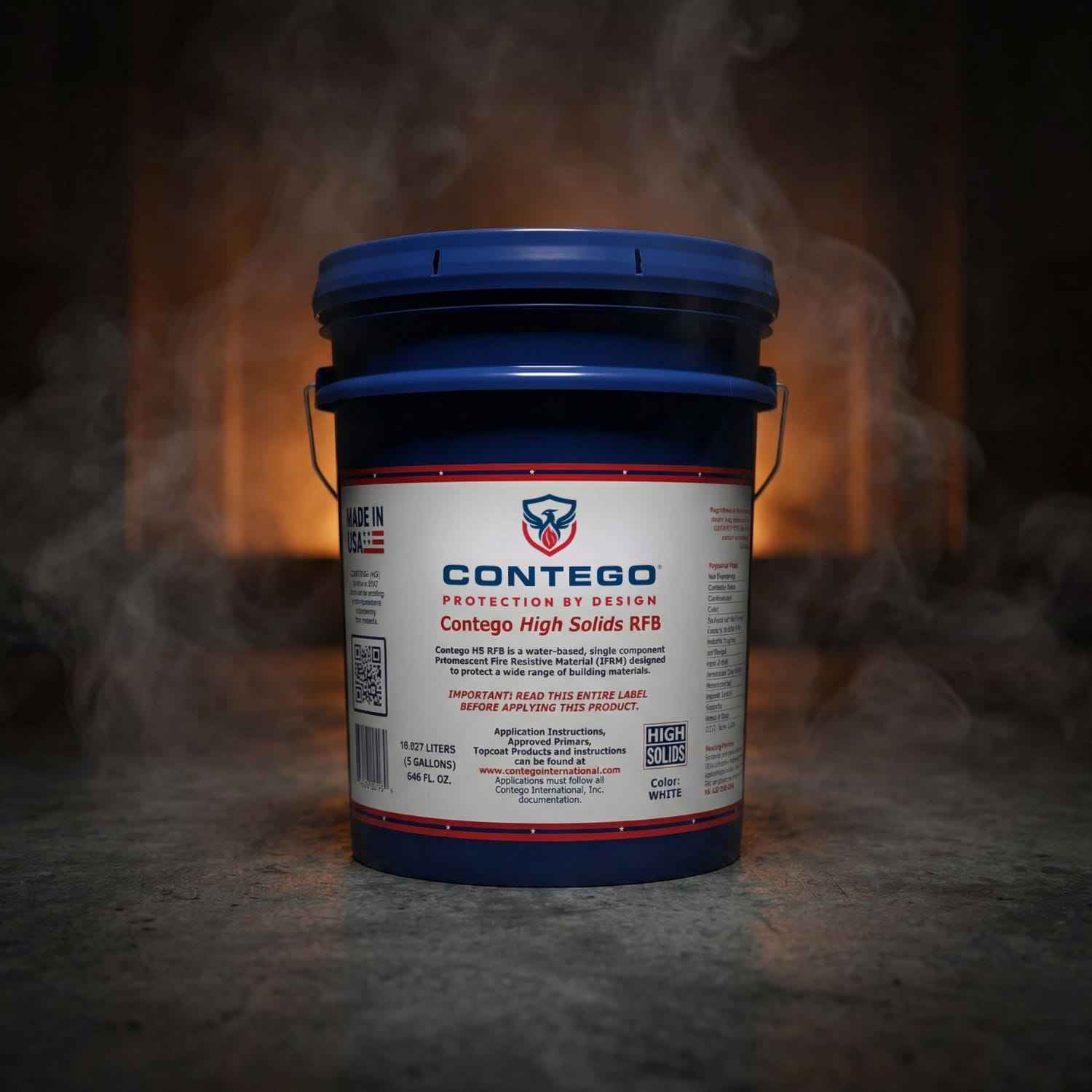
Contego High Solids
Recent Posts:
Two Solutions, One Purpose.
Fire Protection That Performs
Contego offers two distinct reactive coating technologies: one engineered for fire-resistance ratings on structural steel, and another designed for flame spread reduction on combustible substrates.
The Best in Fire Resistance
Thin-Film Intumescent Fire Protection for Structural Steel Contego listings protect a wide range of steel section factors, giving engineers greater flexibility across different structural shapes.
Key benefits:
Thin-Film Fire Protection
Low DFT Requirements
Broad Section Factor Coverage (W/D)
LEED v4, v4.1, and v5 Support
Tested Up to 3-Hour Ratings
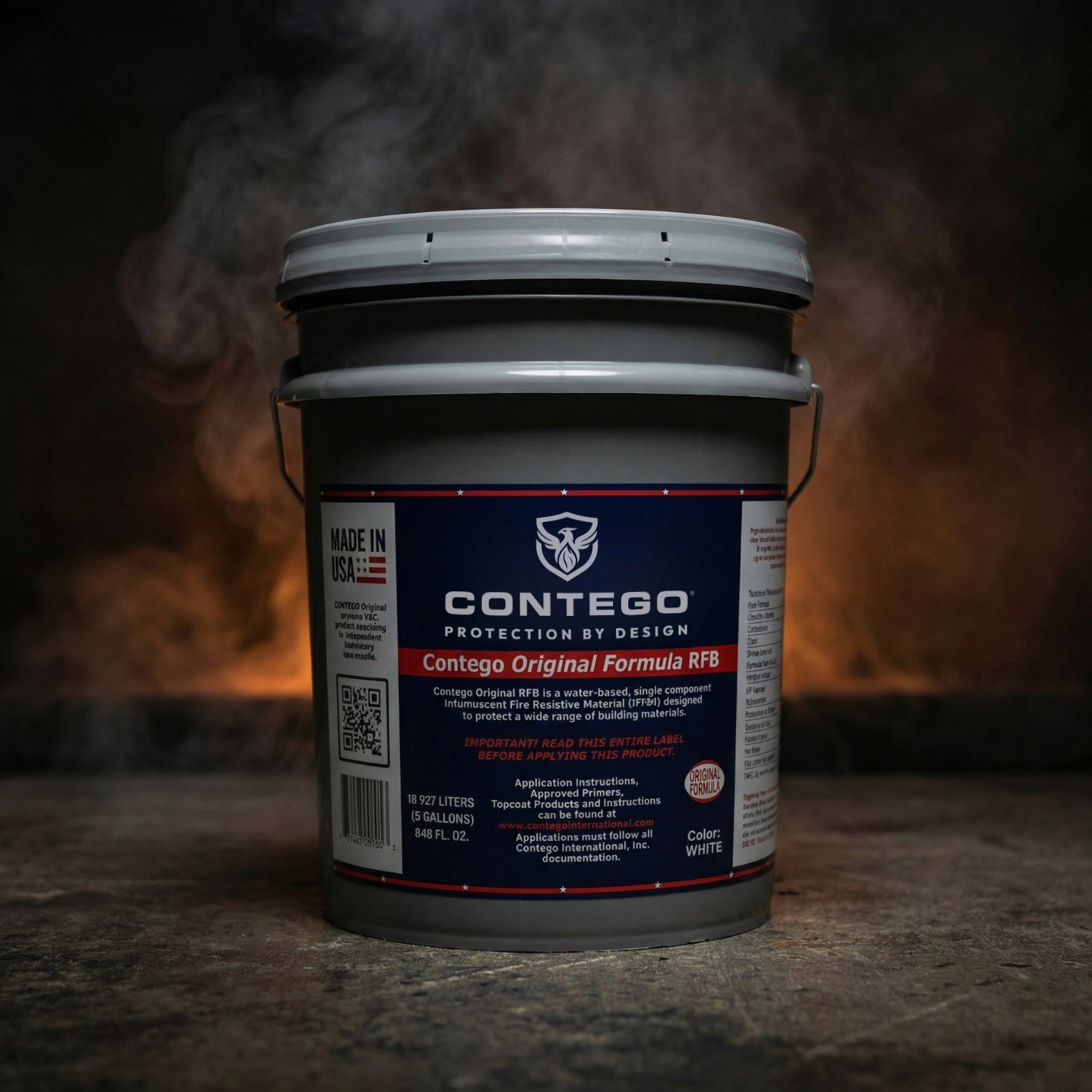
The Best in Fire Retardants
Fire Retardant Protection for Interior Building Materials Designed to improve the surface burning performance of common interior materials such as wood, foam, and SIP panels.
Key benefits:
Class A Fire Retardant Performance
Protects Multiple Interior Substrates
Smooth Architectural Finish
Zero VOC / Non-Toxic
Economical Fire Protection