How to Write Performance-Based Fire Protection Coating Specs for Steel
Oct 12, 2026
Turn Complex Fire Coating Specs Into Clear Roadmaps
Performance-based fire protection coating specification work can feel like a maze, especially when the schedule is tight and steel is already in the air. For structural steel, the gap between what is written in the spec and what actually gets sprayed in the field can affect life safety, inspections, and the project timeline. When the spec is clear, everyone knows what success looks like before the first drum is opened.
Good fire coating specs cut down RFIs, change orders, and repaint work, which is a big deal when fall weather starts to turn cold and wet. Crews can plan, inspectors know what to check, and the architect can protect the design without losing sleep over fire ratings.
In this article, we walk through how to read and write performance-based specs for steel, how to line up submittals and mockups, and how to set QA/QC and acceptance criteria that match code and design intent from start to finish.
Decoding Performance-Based Fire Coating Specs
A lot of confusion starts with the way specs are written. Prescriptive language tells the contractor exactly what to put on, like “apply 30 mils DFT of intumescent coating to all beams.” Performance-based language focuses on the outcome, like “provide a 2-hour fire resistance rating per ASTM E119 for these members.”
The problem with only prescriptive language is that 30 mils on one system is not the same as 30 mils on another system. Fire coatings are tested in specific assemblies, with specific primers and thicknesses. If we skip the performance side, we risk missing the actual rating the building needs.
A strong performance-based fire protection coating specification for steel usually calls out:
Required fire resistance rating for each member type
Test standards, such as ASTM E119 or UL 263
Acceptable environmental conditions for application and cure
Compatible primers and topcoats that keep the system listed and tested
The key is to connect what is on paper with how the product was tested. That means reading:
Manufacturer listings and technical data sheets
Intertek or UL design assemblies that show thickness by shape and rating
Engineering evaluations or judgments when the design is a bit outside standard listings
When we match the steel size, primer, coating, and thickness to the tested design, we are not just hitting a number in mils, we are matching a proven system. That is what inspectors and building officials are really looking for.
Writing Fire Protection Specs That Actually Work in the Field
A fire protection coating spec lives in a real project, not in a vacuum. It has to tell the architect, general contractor, and coating contractor who does what and where. Many teams place intumescent coatings in CSI divisions like 07 81 23 or 09 96 00, so it lines up with both fire and finishes.
A clear section will usually:
List the scope: which steel members, where, and what rating
Assign responsibilities: surface prep, priming, fire coating, and topcoats
Call out coordination with structural notes and architectural finish schedules
Performance criteria are the backbone. That can include:
Ratings and test methods required for each area of the building
Allowed substrates, including shop-primed or galvanized steel
Environmental limits for application, like temperature and humidity ranges
It also helps to spell out documentation expectations. Specifiers often ask for engineering judgments, VOC data, LEED-related documentation, and confirmation that products are designed and made in the USA when that matters for the project team or owner. Clear backing documents make it easier to defend the system during plan review and value engineering rounds, instead of having to fix things in the field later.
Submittals, Mockups, and Pre-Installation Benchmarks
A strong submittal package pulls the whole spec into focus before anyone sprays a column. For fire protection coatings, a complete package usually includes:
Product data sheets for primers, fire coatings, and topcoats
Evaluation reports or approvals where needed
Test reports and Intertek or UL design numbers that match the specified ratings
Shop drawings that show which members get which rating and thickness
Application procedures from the manufacturer
Physical mockups or sample panels are worth it when the steel will be exposed, or when the steel runs through public areas where appearance matters. A good mockup should show:
Adhesion over the actual primer selected for the project
Target dry film thickness and how many coats it takes
Final texture and color, including any topcoat
How the coating looks in the jobsite light, not just in a brochure
When those mockups are approved before cold weather and shorter days arrive, the fall to winter shift goes smoother. Crews already know what “acceptable” looks like. The GC has fewer surprises. The owner does not get hit with last-minute complaints about appearance or feel.
QA/QC and Acceptance Criteria That Stand up to Inspection
Even a great spec and perfect mockup can fall apart without a clear plan for quality in the field. A basic quality plan for steel fire coatings usually covers:
Surface prep checks, including cleanliness and profile where needed
Environmental monitoring during application and cure
Wet film thickness (WFT) checks to stay on track during spraying
Dry film thickness (DFT) measurements after cure
Cure verification before topcoating or exposure
Acceptance criteria should be written in simple, measurable terms. For example:
Minimum and maximum DFT per member type and rating
How to handle pinholes, holidays, or thin spots
When repairs are allowed, and how they must be done
Required inspection reports or special inspection sign-offs
Manufacturers can support this work with field visits, training on test equipment, and sample inspection logs. Keeping good records is not just busywork. It helps building officials, insurers, and owners see that the system actually matches the tested design and the spec. That can avoid long arguments at punch-list time, when everyone just wants to close the project out.
Turning Specs Into Safer, Buildable Steel Structures
When performance-based specs, solid submittals, thoughtful mockups, and clear QA/QC all line up, the coating system stops being a headache and starts being a roadmap. The design team keeps the look they want. The contractor keeps the schedule. The owner gets steel that is protected in a way that can be explained and defended to anyone who asks.
At Contego International, we focus on architectural-grade intumescent fire protection coatings for structural steel and other substrates, designed and made in the USA and backed by testing, documentation, and technical support. We see every day how early, clear conversations about specs, listings, and field conditions make steel protection both code-compliant and clean enough to keep the architect happy. As projects gear up for the next construction cycle, it is a good time for architects, engineers, and contractors to revisit their standard fire protection coating specification language and make sure it truly supports how buildings are being designed and built right now.
Get Started With Your Project Today
Explore our detailed fire protection coating specification resources to streamline your design process and meet code requirements with confidence. At Contego International, we work closely with design teams to help select the right coatings for each project condition. If you are ready to discuss project details or need one-on-one guidance, contact us so we can support your next submittal or bid package.
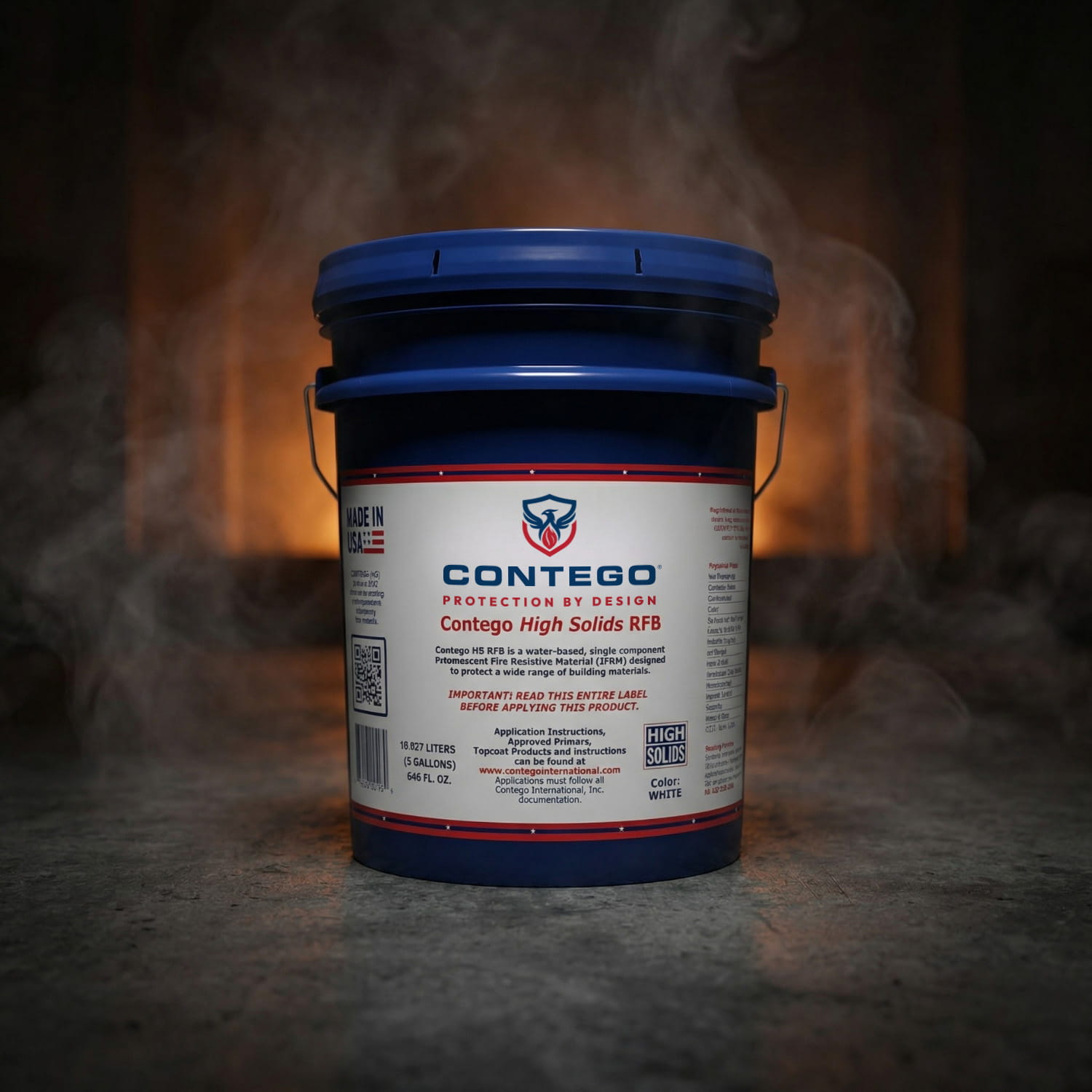
Contego High Solids
Recent Posts:
Two Solutions, One Purpose.
Fire Protection That Performs
Contego offers two distinct reactive coating technologies: one engineered for fire-resistance ratings on structural steel, and another designed for flame spread reduction on combustible substrates.
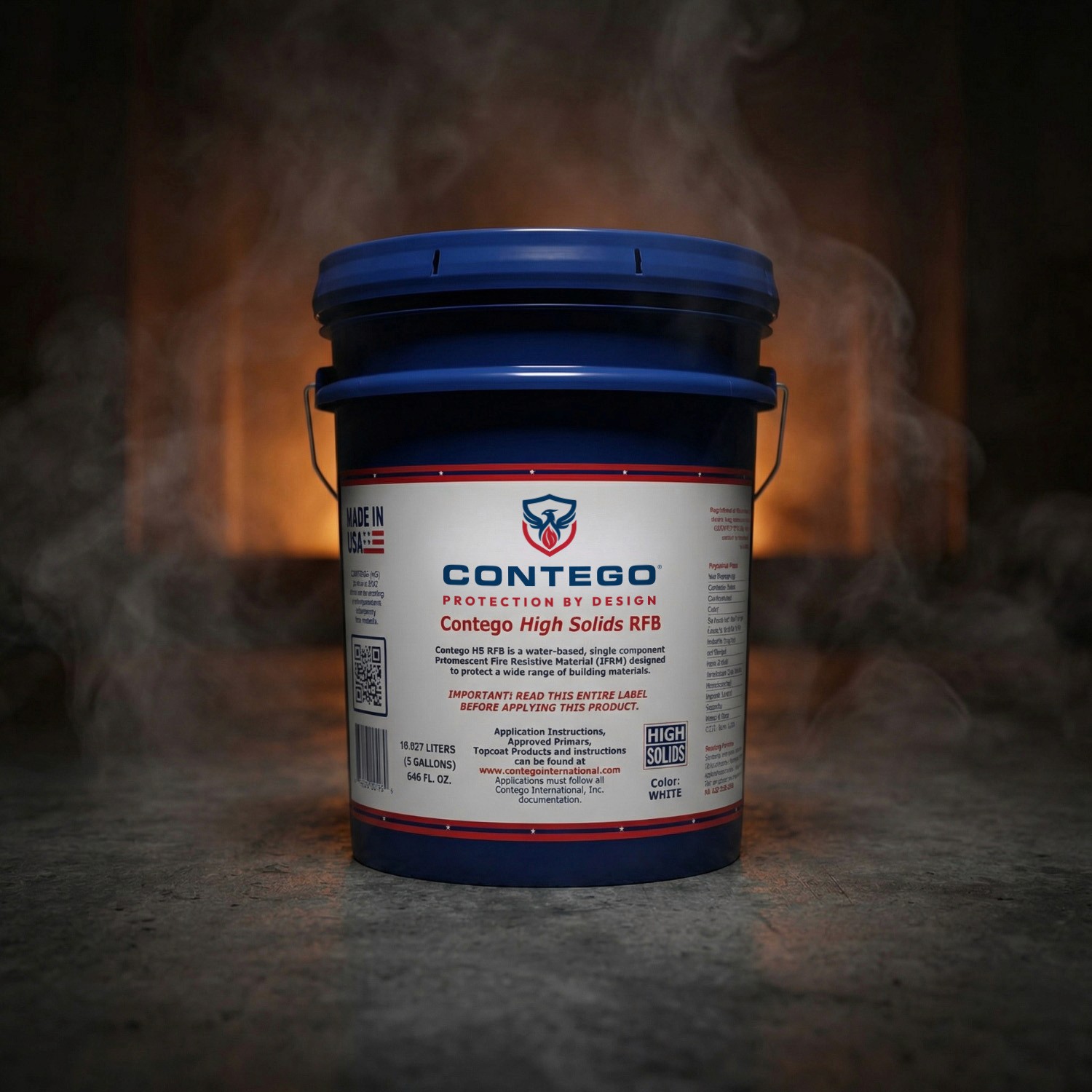
The Best in Fire Resistance
Thin-Film Intumescent Fire Protection for Structural Steel Contego listings protect a wide range of steel section factors, giving engineers greater flexibility across different structural shapes.
Key benefits:
Thin-Film Fire Protection
Low DFT Requirements
Broad Section Factor Coverage (W/D)
LEED v4, v4.1, and v5 Support
Tested Up to 3-Hour Ratings
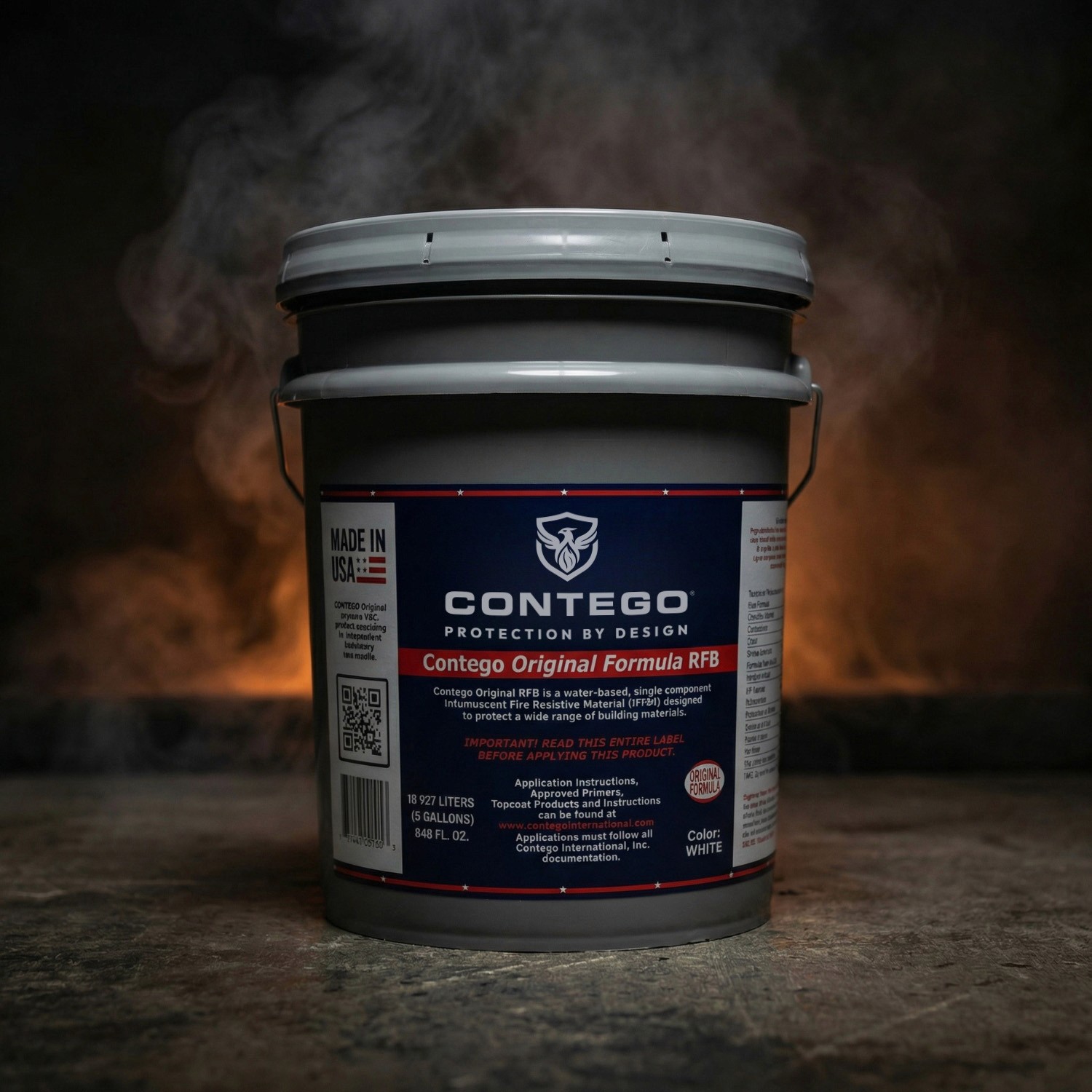
The Best in Fire Retardants
Fire Retardant Protection for Interior Building Materials Designed to improve the surface burning performance of common interior materials such as wood, foam, and SIP panels.
Key benefits:
Class A Fire Retardant Performance
Protects Multiple Interior Substrates
Smooth Architectural Finish
Zero VOC / Non-Toxic
Economical Fire Protection