Evaluating Fire Protection Coating Systems for Open-Concept Steel Structures
Sep 28, 2026
Open-concept steel is now a go-to choice for offices, retail, and mixed-use spaces. It keeps ceilings high, sightlines clear, and interiors feeling open and bright as project teams race to close out work before winter. The tricky part is simple: that exposed steel still has to meet fire ratings, pass code review, and keep people safe during an emergency.
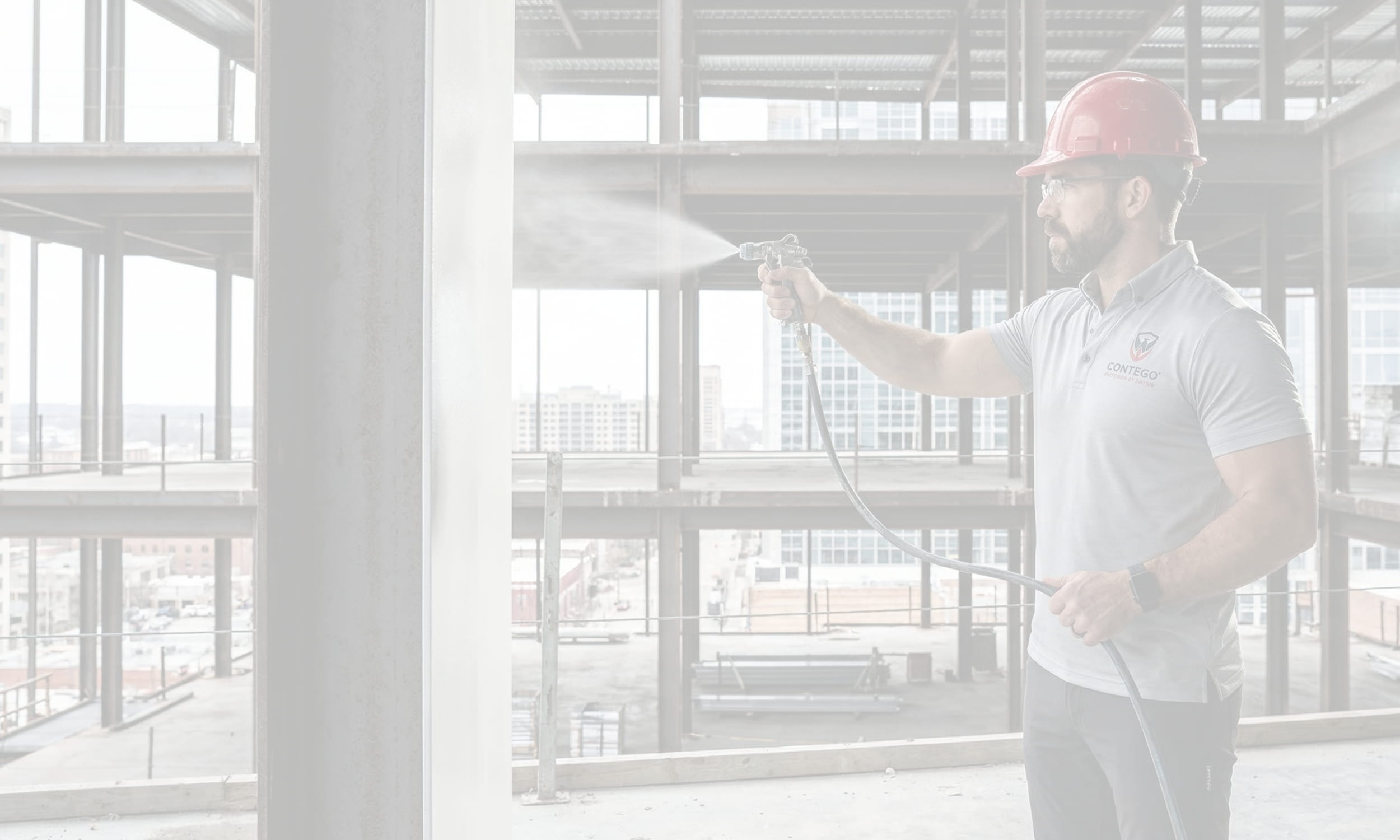
In this article, we will walk through how fire protection coating systems help protect open steel without bulky wraps or thick, messy fireproofing. We will look at how steel behaves in a fire, what code officials expect, and what to look for when comparing different systems so the design vision stays intact and the project stays on track.
Designing Safe Open Steel Frames Without Bulky Wrapping
Open-concept steel makes spaces feel modern and clean. Long spans, exposed beams, and high decks are now standard in many new builds and renovations, especially as teams push to lock in framing and enclosure before cold weather slows schedules.
The challenge is that traditional fireproofing can fight against that design intent. Big wraps, boards, or heavy sprays can:
Lower ceiling heights
Hide the look of the steel
Create rough, unfinished surfaces
This is where thin-film fire protection coating systems come in. Intumescent coatings are designed to look like paint in normal conditions, then expand in a fire to insulate the steel. With the right system, architects and contractors get:
A smooth, architectural-grade finish
Space-saving fire protection around beams and columns
A clear path to the fire rating the project needs
As year-end code reviews, insurance checks, and occupancy targets get closer, choosing the right system early helps avoid delays and back-and-forth with the Authority Having Jurisdiction.
Open-Concept Steel and Fire Code Realities
Bare structural steel heats up quickly in a fire. As the temperature of the steel climbs, it loses strength and stiffness. In large open floor plates, this can put long spans, connections, and the whole frame at risk in a short time.
Fire codes respond to that risk with clear requirements. For open-concept structures, teams usually have to look at:
Required fire-resistance ratings for beams, girders, and columns
Occupancy type, such as office, retail, or assembly space
Building height and total floor area
How people will exit, plus any areas of refuge
Common sticking points with code officials and AHJs include incomplete documentation, assemblies that do not match listed designs, and products without recognizable test data. To keep reviews smooth, it helps to base designs on Intertek or UL-tested assemblies, supported by clear engineering judgments when needed. That is especially important on high-profile commercial or industrial jobs where there is little room for risk.
Choosing the Right Fire Protection Coating Systems
There are several paths to fire protection for steel, each with trade-offs for design and constructability. The main types include:
Intumescent fire protection coating systems
Cementitious fireproofing sprays
Fire-resistive board systems
Flexible fire wraps
For open-concept steel, thin-film intumescent coatings are often preferred because they offer:
An architectural finish similar to paint
Minimal impact on room dimensions and ceiling height
Good coverage on complex shapes, braces, and connections
Flexibility with color and texture through topcoats
When comparing systems, it helps to focus on key performance criteria, such as:
Intertek and UL listings and tested designs
Fire ratings required for the project, like 1, 2, 3, or 4 hours
Durability and exposure class for interior or exterior use
Compatibility with primers and finish coats already in the spec
Constructability matters too, especially as fall temperatures drop. Teams should pay attention to:
Required dry film thickness and number of coats
Minimum application and curing temperatures
Access for field inspection and touch-ups
Coordination with other trades before the building is fully enclosed
Evaluating Intumescent Systems for Real-World Projects
A simple checklist helps bring order to all the moving pieces. For each project, we suggest starting with:
Steel member sizes and shapes
Section factors or W/D values for each element
Required ratings by element type and location
Interior versus exterior or semi-exposed conditions
Target finish, such as basic paint-grade or high-end smooth
Good documentation can speed up approvals, especially as the schedule gets tight near the end of the year. Submittal packages usually work best when they include:
UL design references that match the actual assemblies
Manufacturer data sheets with application and curing details
Evaluation reports when required by local codes
Shop drawings that flag coated members and thicknesses
Mock-up plans for finish review by the design team
Cost and schedule are always part of the conversation. Total installed cost depends on labor, staging, and timing, not just material. Thoughtful planning around heating, ventilation, and sequencing in cold weather can protect productivity and help keep milestones on track. Made-in-USA, Intertek and UL-listed systems may also support more reliable supply, shorter lead times, and easier coordination on multi-phase work in commercial and industrial settings.
Design, Aesthetics, and Long-Term Performance
For many teams, the main reason to pick intumescent coatings is design. These systems let the structure itself become part of the interior, without giving up fire safety. With the right system, exposed steel can:
Be finished in a range of colors through compatible topcoats
Offer smooth surfaces that fit brand standards and lighting plans
Blend with other materials like glass, wood, and concrete
Long-term performance matters just as much. Quality intumescent systems are built for:
Strong adhesion to properly prepared steel
Resistance to bumps, scrapes, and day-to-day use
Added corrosion protection when paired with suitable primers
As clients plan for winter occupancy, indoor air quality is often top of mind. Many projects look for low-VOC systems and coatings that can support green building goals. Some applications can be done in the shop before erection, while others are field-applied after steel is in place, depending on the design, schedule, and inspection requirements.
Over the life of the building, coatings may need inspection, touch-up, or recoat, especially around new penetrations, tenant improvements, or seasonal layout changes. Having a clear maintenance plan, plus support from the coating manufacturer, helps keep the fire protection layer performing as designed.
Turning Design Vision Into Code-Compliant Steel Protection
When open-concept steel is part of the design vision, fire protection should not feel like an afterthought. A simple, structured evaluation process makes it easier to protect the frame while keeping the look clean and modern. The core steps are to confirm the code path, match Intertek or UL-listed systems to real assemblies, study constructability for the season and site, and balance aesthetics with long-term performance and maintainability.
At Contego International, we focus on architectural-grade, Intertek and UL-listed intumescent fire protection coatings for structural steel and other substrates, made here in the United States and used on projects around the world. Our goal is to help architects, contractors, and specifiers keep their open steel designs while meeting fire ratings and life safety expectations, from early planning through winter construction and beyond.
Protect Your Facilities With Proven Fire Safety Solutions
Choose Contego International’s fire protection coating systems to help safeguard your structures, assets, and people. Our team will work with you to identify the right solutions for your building type, risk profile, and project timeline. If you are ready to move forward or have technical questions, contact us so we can help you plan the next steps.
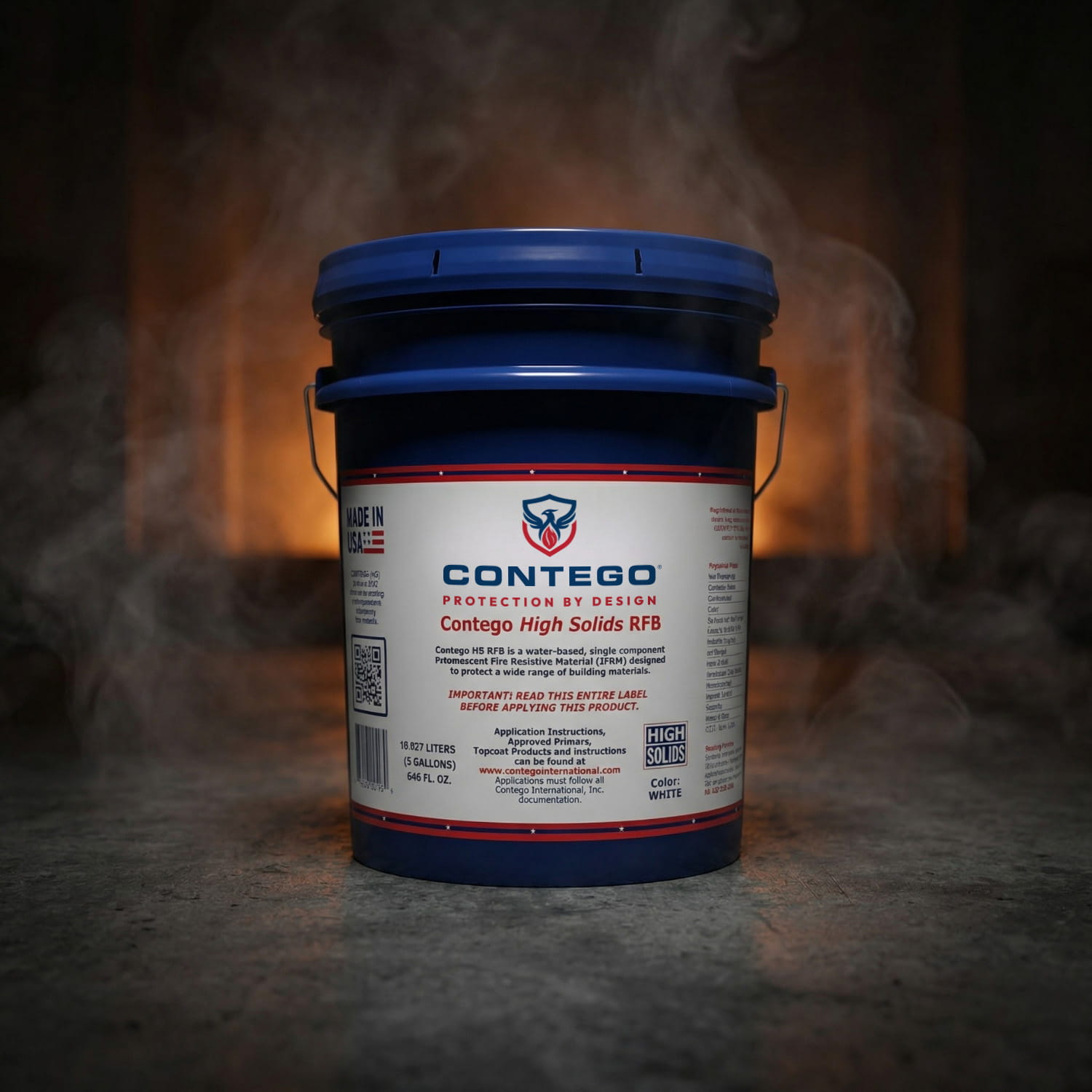
Contego High Solids
Recent Posts:
Two Solutions, One Purpose.
Fire Protection That Performs
Contego offers two distinct reactive coating technologies: one engineered for fire-resistance ratings on structural steel, and another designed for flame spread reduction on combustible substrates.
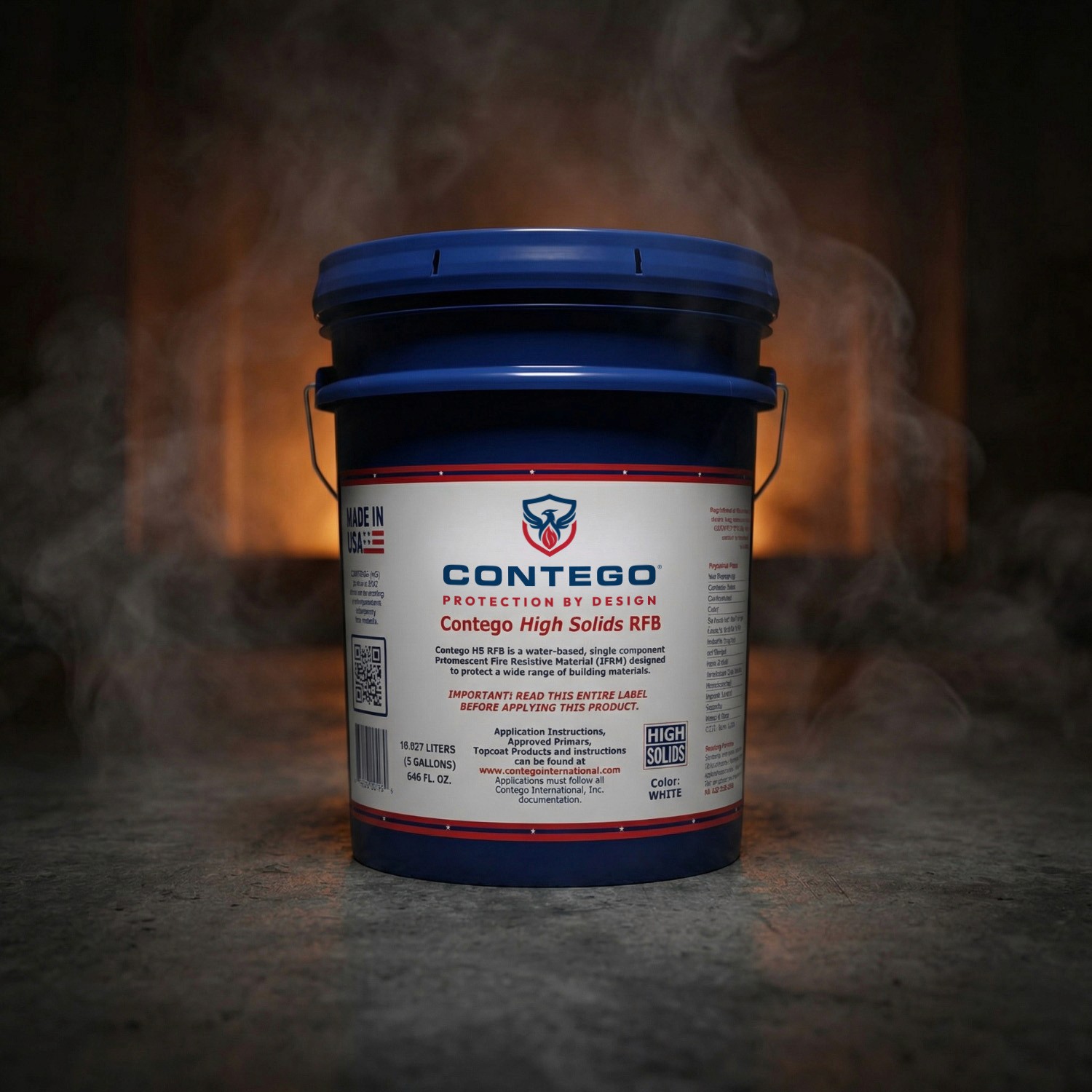
The Best in Fire Resistance
Thin-Film Intumescent Fire Protection for Structural Steel Contego listings protect a wide range of steel section factors, giving engineers greater flexibility across different structural shapes.
Key benefits:
Thin-Film Fire Protection
Low DFT Requirements
Broad Section Factor Coverage (W/D)
LEED v4, v4.1, and v5 Support
Tested Up to 3-Hour Ratings
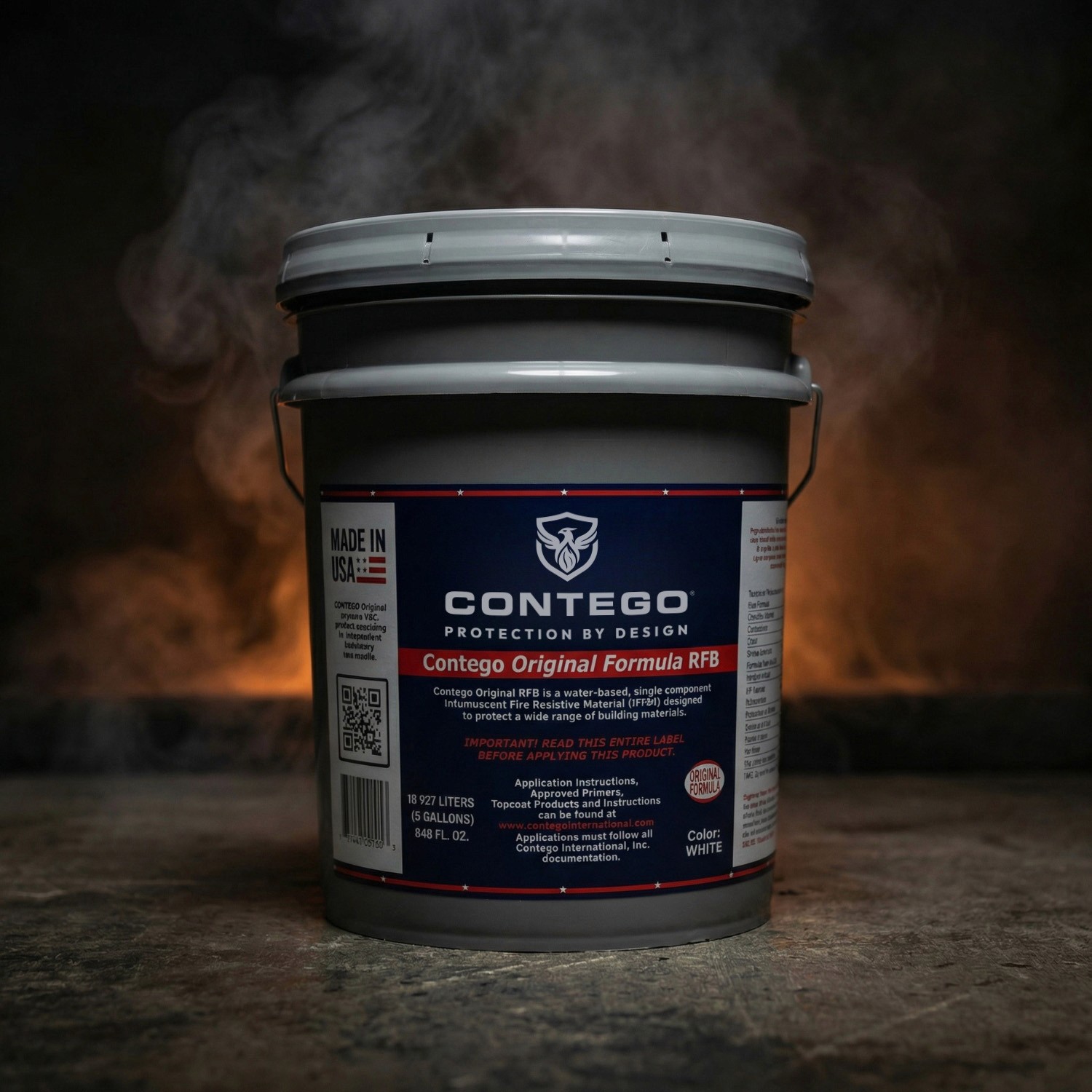
The Best in Fire Retardants
Fire Retardant Protection for Interior Building Materials Designed to improve the surface burning performance of common interior materials such as wood, foam, and SIP panels.
Key benefits:
Class A Fire Retardant Performance
Protects Multiple Interior Substrates
Smooth Architectural Finish
Zero VOC / Non-Toxic
Economical Fire Protection