

Inside Fire Protection Primers for Exposed Structural Steel
Jul 6, 2026
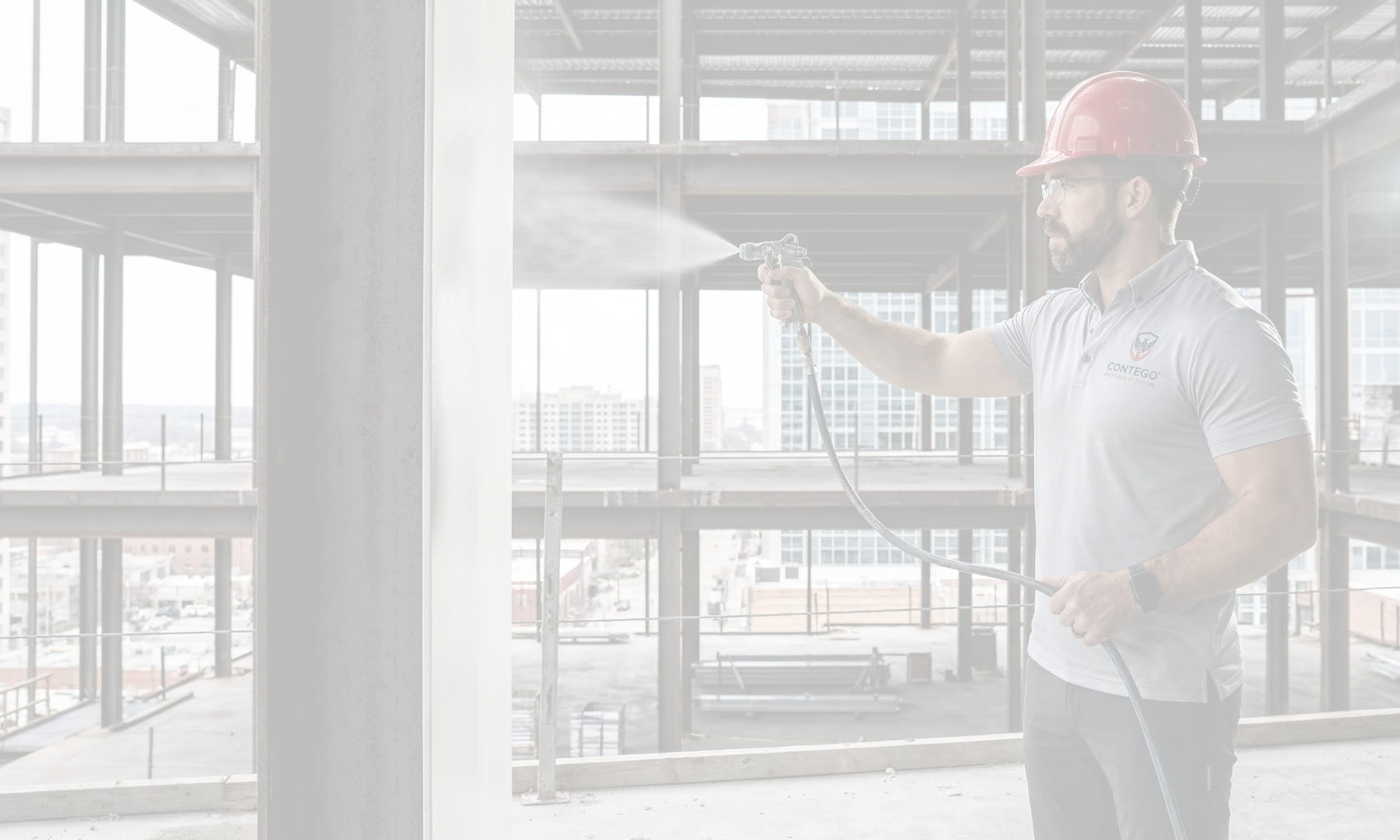
Exposed structural steel looks bold and clean, but it also has a serious job to do. It has to hold the building up and keep people safe when a fire happens. That is where the right fire protection primer comes in, especially when projects speed up in summer and everyone is racing toward inspections and occupancy.
In this article, we will walk through why visible steel needs more than regular paint, what makes a true fire protection primer different, how to choose one for your project, and the jobsite habits that keep schedules moving. Our goal is simple: to help your design team keep the look you want while meeting life safety and code demands in real project conditions.
Turn Exposed Steel Into a Design and Safety Asset
Exposed steel is everywhere now in commercial and industrial work, from open office spaces to plants and warehouses. Owners love the honest, structural look. Architects and engineers are leaning into it too, using steel as a key design element instead of hiding it behind ceilings and walls.
But when the steel is visible, there is no place to hide weak fire protection. You need a system that looks good up close and stands up to review by plans examiners, inspectors, and building officials. Summer construction and renovation cycles add more pressure, since cure times, inspections, and occupancy dates are all on the line.
That is why early selection of a fire protection primer matters so much. A true fire protection primer is the link between bold design and serious performance. High-performance, thin-film intumescent systems let the steel stay visible and architectural, while still working as a tested fire-resistive system in the background.
Why Exposed Structural Steel Demands More Than Paint
Steel is strong, but it does not like high heat. In a fire, steel heats up quickly, and as the temperature climbs, the steel starts to lose strength. If it is not protected, that loss can show up long before the flames are out, risking early structural problems when people still need time to get out.
Regular paints and standard primers are made to help with things like corrosion and color. They do a good job at that, but they do almost nothing to slow heat transfer into the steel. Passive fire protection systems are different. They are engineered to hold back that heat and give the structure more time to perform.
On many commercial, industrial, and specialty projects, structural steel has to meet specific fire-resistance ratings. These are built into codes and show up in:
Plan review and permitting
Third-party inspections
Final occupancy approvals
Summer work adds another wrinkle. Decisions about fireproofing systems, including primers, happen right when schedules are tight, temperatures swing, and humidity spikes. A late change in coatings can ripple through fabrication, field work, and inspections, and that often means frustration for everyone on the team.
What Makes a True Fire Protection Primer Different
A fire protection primer is not just a “good base coat.” It is a tested part of a full fire-resistive system. It has to bond to the structural steel, support the intumescent layer, and work with the finish coat as one complete package. If any piece fails, the whole system can be at risk in a fire or during inspection.
Intumescent technology is the heart of many of these systems. Under normal conditions, you see a thin, smooth coating that fits architectural expectations. Under extreme heat, that same technology swells into a thick, insulating char that helps shield the steel from rapid temperature rise.
Key things that set a true fire protection primer apart include:
Strong adhesion to prepared structural steel
Proven compatibility with the intumescent and finish coats
Durability under jobsite and in-service conditions
Third-party testing and listed-system approvals
One of the biggest mistakes we see is mixing and matching products that were never tested together. A primer from one source, an intumescent from another, a random finish coat on top. On paper it might look fine, but if that combination was not tested as a system, it can create headaches with performance and approvals.
Selecting the Right Fire Protection Primer for Your Project
Not every job needs the same fire protection primer. The right choice depends on how the steel will live and what it needs to survive day after day. High-visibility commercial interiors, harsh industrial plants, transportation spaces, and specialty structures all ask for slightly different things.
When you are reviewing options, it helps to think about:
Required fire-resistance ratings for each member or assembly
Environmental exposure, like humidity, temperature swings, and UV
Shop versus field application and how the steel is handled
Jobsite limits, including access, staging, and application methods
Many architects, contractors, and specifiers lean toward thin-film intumescent primer systems that are made in the USA. Consistent production, predictable lead times, and local technical support can make a difference when a schedule starts to tighten and inspection dates are fixed.
Summer adds its own set of challenges. High heat and humidity affect surface prep, recoat windows, and curing. Fast-track schedules can tempt crews to rush through prep or apply coatings outside recommended temperature and moisture ranges. Planning your primer choice with these realities in mind can save days when you need them most.
Application Best Practices That Protect Your Schedule and Steel
Even the best fire protection primer needs proper application. Good work in the field protects both your schedule and your steel. It starts with surface preparation, making sure structural steel is clean, dry, and within the right profile for the coating system.
From there, it helps to focus on:
Correct wet and dry film thickness at each coat
Temperature and humidity limits during application and cure
Proper mixing and application tools for each product
Coordination with other trades to avoid damage to fresh coatings
Quality control is not just paperwork. Simple, steady checks like measuring film thickness and noting batch numbers and conditions give inspectors and owners confidence that the system was installed as designed. When documentation lines up with tested systems and manufacturer guidelines, inspections tend to go smoother.
Common pitfalls include using an unapproved primer under an intumescent, pushing application in extreme summer heat, or skipping steps in surface prep to “save time.” These shortcuts often show up later as rework, schedule slips, or failed inspections. Early conversations with experienced fire protection coating manufacturers can help head off those issues by matching products and details to each specific project.
Move From Minimum Compliance to Confident Protection
When you choose the right fire protection primer as part of a tested system, exposed structural steel stops being a worry and starts being a strength. It remains a clean design feature, while quietly supporting life safety and long-term performance behind the scenes.
As you look ahead to upcoming summer and fall work, it is worth taking a fresh look at where exposed steel is planned and what fire protection systems are specified. Confirming that the primer, intumescent, and finish coats are fully tested together can reduce surprises, simplify submittals, and give your team more confidence from design through final inspection. At Contego International, we build our high-performance, intumescent fire protection coatings and systems here in the United States and support architects, contractors, and specifiers who want both bold design and dependable protection for exposed structural steel.
Get Started With Your Project Today
Protect your building with confidence by choosing Contego International as your trusted fireproofing partner. Explore our fire protection primer solutions to align your project with rigorous safety and code requirements. If you are ready to review specifications, request product guidance, or discuss a unique application, contact us so we can help you move forward efficiently.
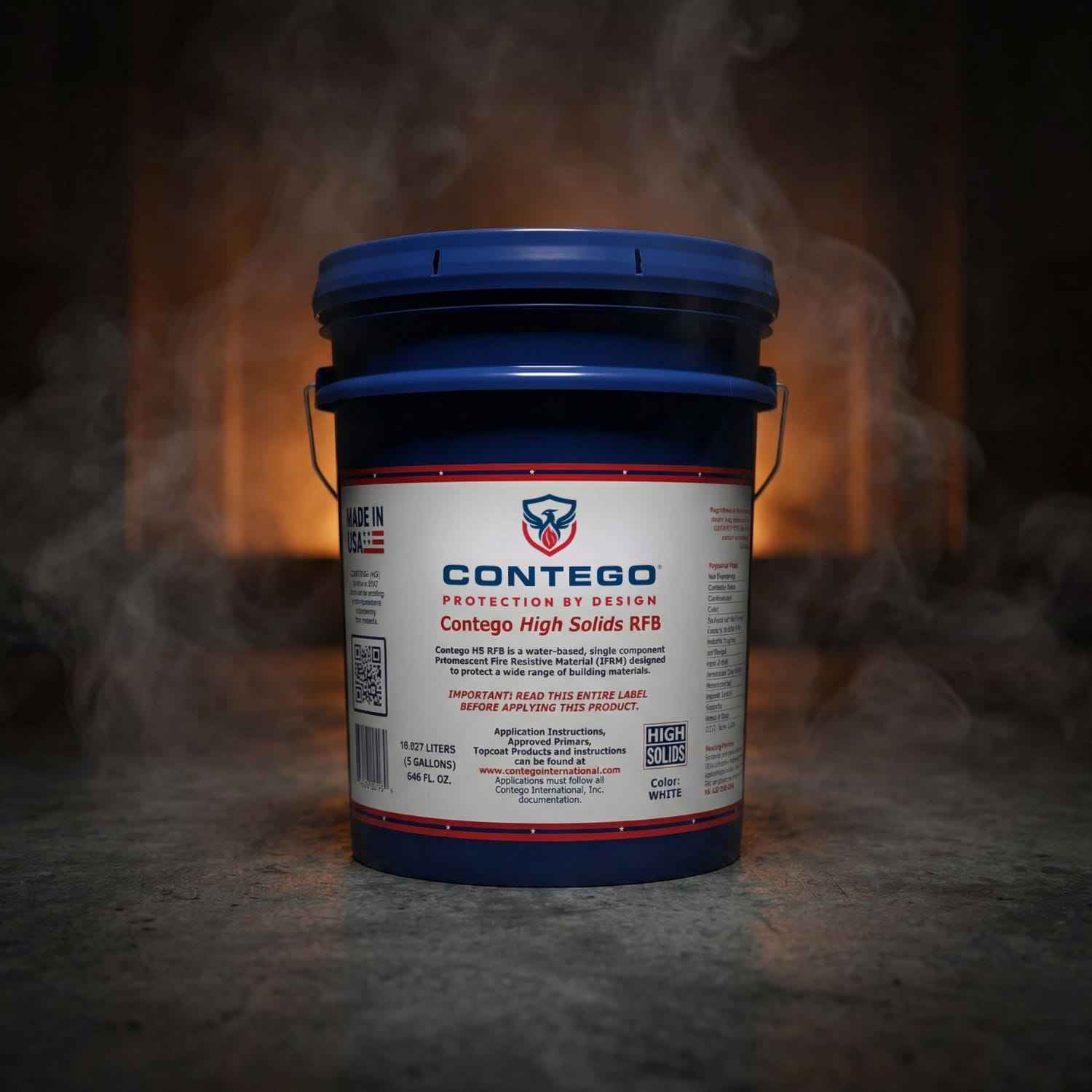
Contego High Solids
Recent Posts:
Two Solutions, One Purpose.
Fire Protection That Performs
Contego offers two distinct reactive coating technologies: one engineered for fire-resistance ratings on structural steel, and another designed for flame spread reduction on combustible substrates.
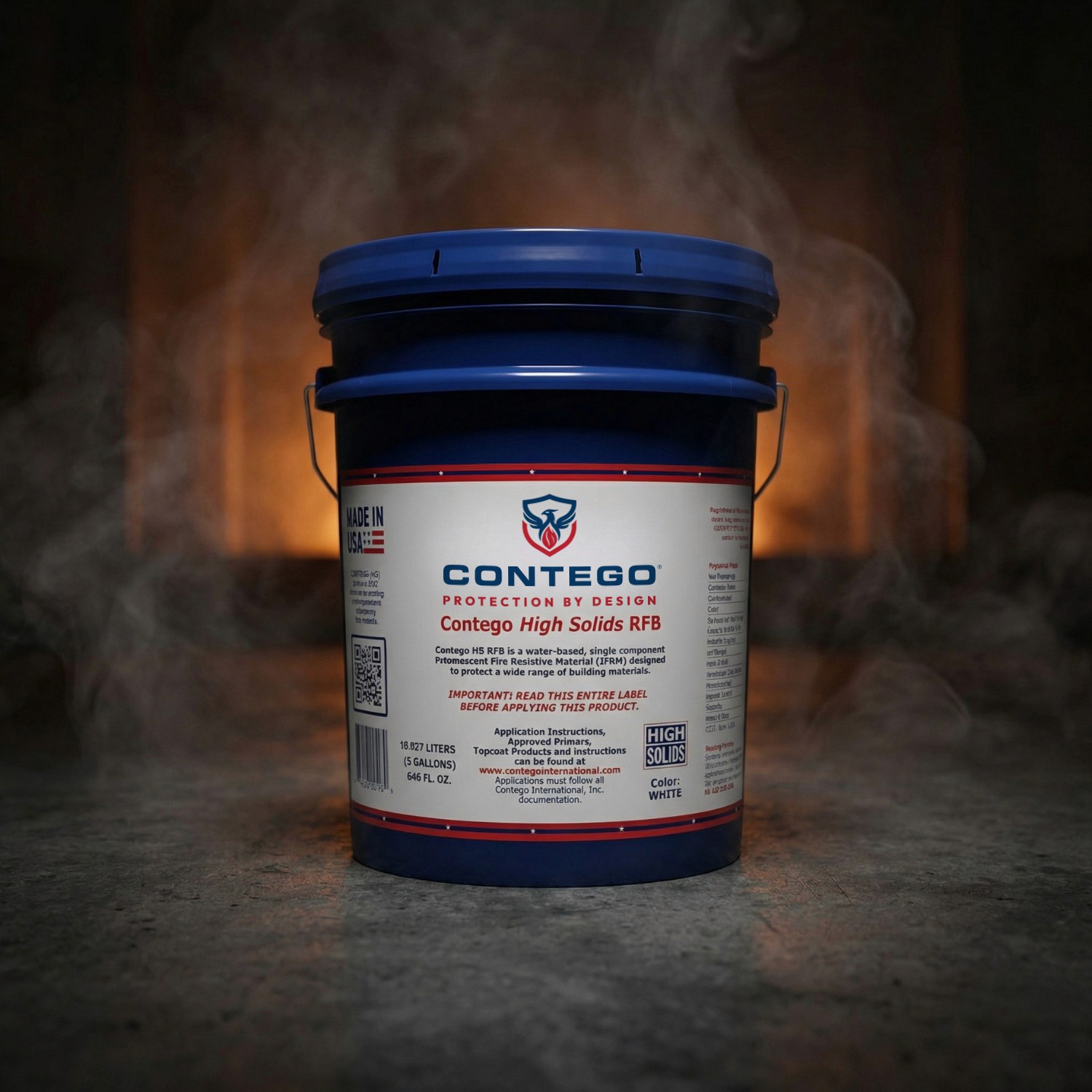
The Best in Fire Resistance
Thin-Film Intumescent Fire Protection for Structural Steel Contego listings protect a wide range of steel section factors, giving engineers greater flexibility across different structural shapes.
Key benefits:
Thin-Film Fire Protection
Low DFT Requirements
Broad Section Factor Coverage (W/D)
LEED v4, v4.1, and v5 Support
Tested Up to 3-Hour Ratings
The Best in Fire Retardants
Fire Retardant Protection for Interior Building Materials Designed to improve the surface burning performance of common interior materials such as wood, foam, and SIP panels.
Key benefits:
Class A Fire Retardant Performance
Protects Multiple Interior Substrates
Smooth Architectural Finish
Zero VOC / Non-Toxic
Economical Fire Protection