

Why Architects Are Switching to Fire Protection Coatings
May 11, 2026
As open floor plans, exposed steel, and glass-heavy facades keep growing in popularity, fire protection is becoming a bigger design challenge. Architects want clean lines and visible structure, but codes still demand strong fire performance. That mix can feel like a constant tug-of-war between what looks good and what keeps people safe.
Architectural fire protection coatings help break that tension. Instead of hiding steel behind bulky materials, a thin-film intumescent coating can protect it while still letting it be part of the visual story. In this article, we will walk through how these coatings work, why more architects are specifying them, and what to keep in mind as you plan upcoming projects.
How Fire Protection Coatings Are Changing Modern Design
Open spaces, tall ceiling heights, and exposed structural steel are now common in offices, mixed-use projects, and public buildings. As weather warms in late spring and construction ramps up, many new designs call for:
Visible beams and columns
Slim floor assemblies and minimal soffits
Large glass walls and light-filled atriums
The problem is simple: fire codes do not care about aesthetics. They focus on performance, ratings, and safety. When you wrap steel in thick materials, it may pass inspection, but it can fight against the design idea you worked hard to develop.
Architectural fire protection coating offers another path. A thin-film intumescent system can help you meet fire rating requirements while keeping steel shapes, joints, and connection details on display. At Contego International, we focus on UL and Intertek-tested, Made-in-USA systems that support this balance for architects, contractors, and fireproofing professionals across many types of projects.
From Bulky Fireproofing to Sleek Architectural Solutions
Traditional fireproofing often meant hiding the structure. You might see:
Spray-applied fire-resistive materials with thick build
Concrete or masonry encasement around beams and columns
Heavy cladding or boxed soffits that block sightlines
These methods can work, but they change proportions and cover up the character of the steel. That can be frustrating when the structure itself is meant to be part of the interior style.
Thin-film intumescent coatings take a different approach. Under normal conditions, they look like regular paint, with a smooth, slim profile. When exposed to extreme heat, the coating expands into a char layer that insulates the steel. That insulation helps the steel hold its load-bearing strength longer during a fire event.
For design teams, this brings clear advantages:
Light, smooth appearances that blend with modern interiors
Ability to leave columns and beams exposed without massive bulk
Flexible use across styles, from industrial loft conversions to refined hospitality and cultural spaces
Instead of building around fireproofing, you can plan fire protection as part of the finish system.
Why Architects Prefer Architectural Fire Protection Coatings
Architectural fire protection coating supports design intent instead of fighting it. Exposed beams, tapered sections, custom plate work, and intricate connection details can all be protected without hiding their shape under thick coverings.
This approach also gives more flexibility in specifications. With an intumescent system, you can work with:
Tested assemblies covering different fire rating goals
Compatibility with a variety of primers and topcoats
A range of colors and sheen levels to match project palettes
That means the coating can blend into your finish schedule, instead of sitting off to the side as a separate, awkward layer.
There are also practical delivery benefits. Predictable dry film thicknesses make it easier to coordinate:
Clear detailing at connections, brace frames, and penetrations
Tighter clashes with other trades, including mechanical and electrical
Less guesswork during shop drawing review and field inspection
On busy spring and summer build-outs, that kind of predictability can help reduce rework and keep projects closer to schedule.
Meeting Codes, Sustainability Goals, and Client Expectations
No matter how beautiful a space looks, it has to pass plan review and field inspection. Advanced intumescent coatings are developed to support code compliance across many jurisdictions. When a system is tested and listed, it gives design teams documentation they can reference in permit sets, code notes, and discussions with officials.
These coatings can also support broader project goals, including sustainability and wellness. Many design teams now prioritize:
Low-VOC materials that support better indoor air quality
Durable systems that promote long service life
Less material mass compared to heavy encasements
By reducing bulk around structural steel, you may also free up room in tight areas, which can help with layout flexibility.
Owners and insurers are paying more attention to fire performance too, especially in high-occupancy, mixed-use, and public assembly projects. A well-documented architectural fire protection coating system can help give them added confidence without asking them to give up the open, airy look they want.
Practical Considerations for Specifying Fire Protection Coatings
When you are ready to specify an architectural fire protection coating, a simple, step-by-step approach can help. Typical early decisions include:
Defining required fire ratings for each structural element
Confirming substrate type and condition
Reviewing environmental conditions, including temperature and humidity, during application and curing
Once those basics are clear, the next step is selecting an appropriate tested system from a manufacturer that provides detailed technical data and support.
Working closely with contractors and fireproofing professionals is also important. Together, you can plan for:
Proper surface preparation and priming
Recommended application methods and equipment
Quality control checks, including thickness measurements and visual inspection
Seasonal planning matters as well. In many regions, late spring and summer bring better conditions for coating work, with more stable temperatures and less moisture. Building timelines that allow for coating application, curing, inspections, and final finishes will help the system perform as designed once the building is occupied.
How Contego Helps You Protect Design Without Compromise
At Contego International, we focus on helping architects keep their design vision intact while addressing serious fire protection needs. Our high-performance, thin-film intumescent systems are made in the United States and tested through UL and Intertek to support clear, dependable specifications. That combination of performance and appearance is what makes architectural fire protection coating so useful on modern projects.
We work with design teams, contractors, and fireproofing professionals to support projects from early concept through final inspection. By choosing Contego systems, architects gain a path to preserve exposed steel aesthetics, simplify detailing, and coordinate more easily with the full project team, without stepping away from the safety expectations of building users, owners, and code officials.
Get Started With Your Project Today
Explore our architectural fire protection coating solutions to align your design intent with stringent safety requirements. At Contego International, we provide the technical data, specification support, and application guidance you need to move from concept to compliant construction with confidence. If you are ready to discuss details or need project-specific recommendations, contact us and we will work with you to identify the best path forward.
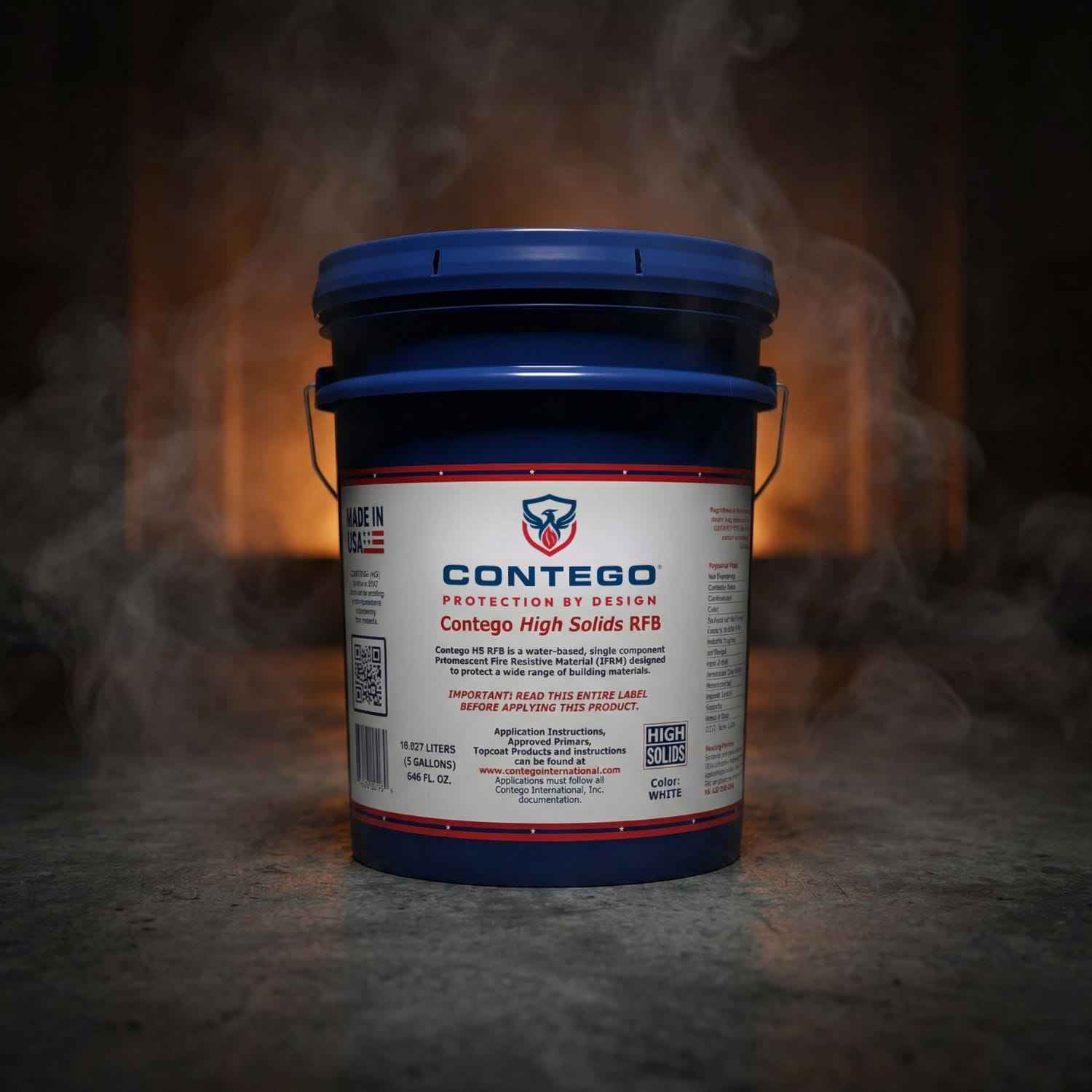
Contego High Solids
Recent Posts:
Two Solutions, One Purpose.
Fire Protection That Performs
Contego offers two distinct reactive coating technologies: one engineered for fire-resistance ratings on structural steel, and another designed for flame spread reduction on combustible substrates.
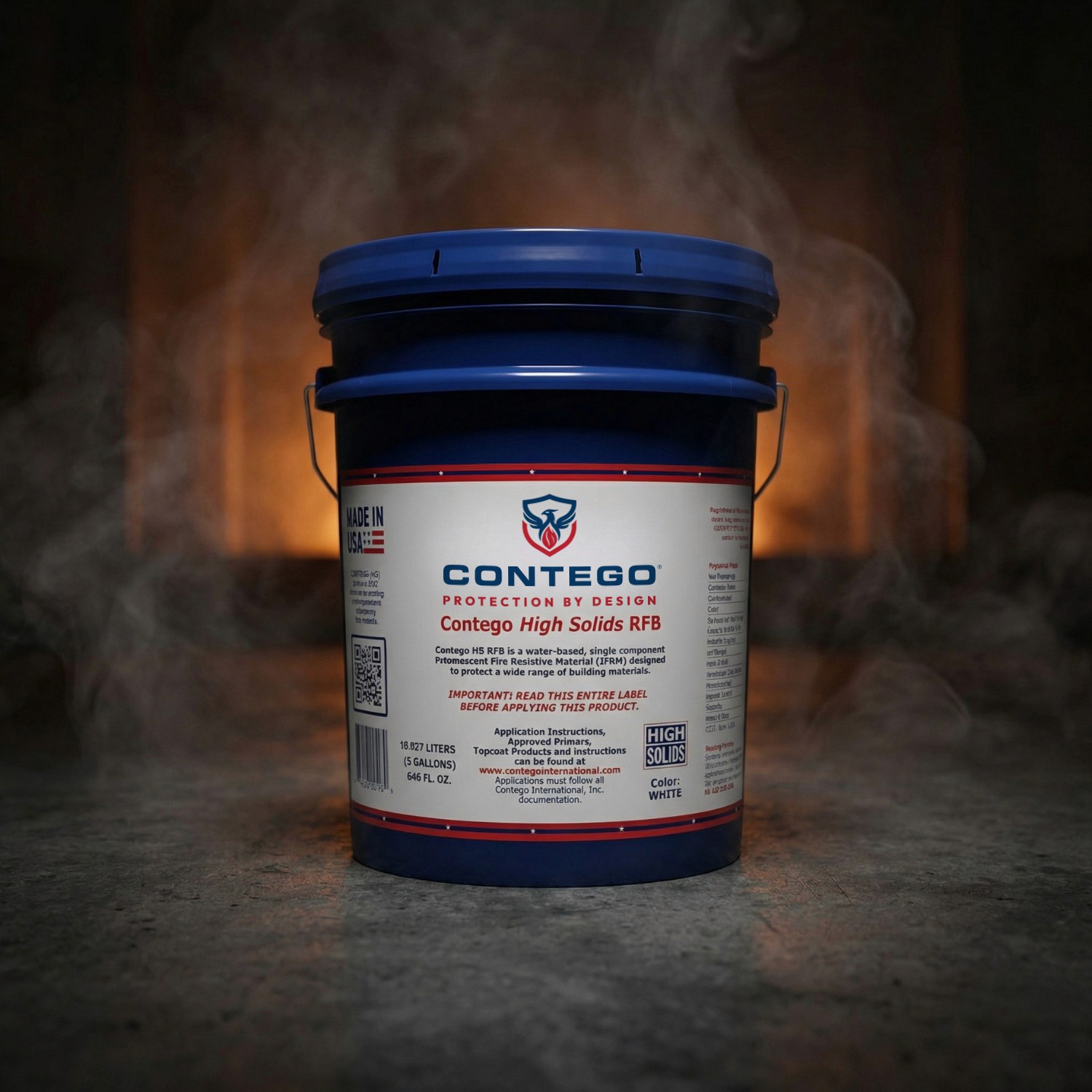
The Best in Fire Resistance
Thin-Film Intumescent Fire Protection for Structural Steel Contego listings protect a wide range of steel section factors, giving engineers greater flexibility across different structural shapes.
Key benefits:
Thin-Film Fire Protection
Low DFT Requirements
Broad Section Factor Coverage (W/D)
LEED v4, v4.1, and v5 Support
Tested Up to 3-Hour Ratings
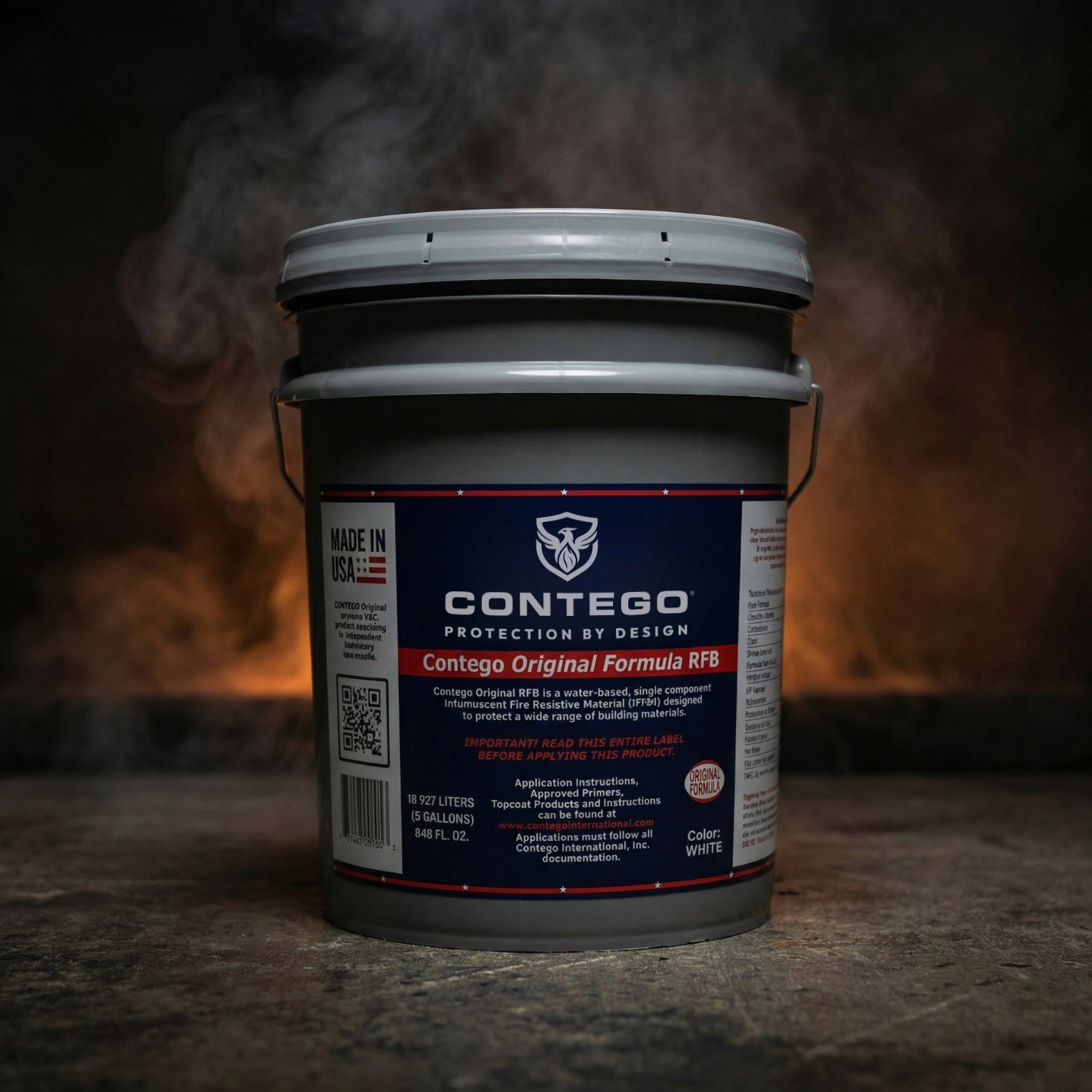
The Best in Fire Retardants
Fire Retardant Protection for Interior Building Materials Designed to improve the surface burning performance of common interior materials such as wood, foam, and SIP panels.
Key benefits:
Class A Fire Retardant Performance
Protects Multiple Interior Substrates
Smooth Architectural Finish
Zero VOC / Non-Toxic
Economical Fire Protection