

How to Specify an Architectural Fire Protection Coating: Decision Framework
Jun 8, 2026
Choosing the right architectural fire protection coating is not only about meeting code. It also shapes how your steel looks, how long it lasts, and how easy it is to live with years from now. When schedules get tight in summer construction, smart coating choices can prevent delays, change orders, and design compromises.
In this guide, we walk through a simple decision framework you can use on every project. We look at aesthetics, environment, durability, maintenance, and budget, and show how they connect back to fire ratings and tested systems. The goal is to help architects, specifiers, and contractors defend their specs with confidence when owners and AHJs start asking hard questions.
Unlock Safer, Sleeker Designs with Smart Fire Specs
Architectural fire protection coatings are thin-film products that swell in heat and form an insulating layer. Modern intumescent systems let exposed structural steel and other substrates reach required fire ratings without bulky wraps or boxed-in soffits. That means you can keep the clean, open look that clients want while still protecting the frame of the building.
As summer projects ramp up and steel starts arriving on site, the choices you make now will impact:
How the structure looks up close
How smoothly inspections go
How often you will be fixing damage later
We like to keep it simple with a five-part checklist: aesthetics, environment and exposure, durability, maintenance, and budget. When you pair that with UL listings, engineering input, and clear submittals, you get a spec that is both code-compliant and buildable.
Align Fire Ratings with Design Vision and Code
Every project starts with a fire rating target. The structure might need a 1-hour rating in some areas and higher ratings in others. Those ratings connect directly to tested UL designs and to the dry film thickness of the intumescent coating.
Key steps at this stage:
Confirm the required fire resistance rating by occupancy and location
Match those ratings to specific Intertek or UL designs for the steel sizes you are using
Note the required thickness for each member type and rating
When you plan the architectural fire protection coating early, you can keep exposed columns, beams, and atrium steel in the design instead of hiding them later. This is where coordination with the structural engineer really matters. Member sizes, loadings, and connection details all affect which Intertek or UL design is acceptable.
You also want to think ahead about AHJ expectations. Clear submittals, like Intertek and UL design details, engineering judgments where allowed, and coordinated shop drawings, help avoid field surprises. Once the steel is on site, no one wants to reshuffle the schedule because a coating system or thickness was not approved.
Protect Aesthetics Without Sacrificing Performance
Good fire protection should look like it belongs in the space, not like an afterthought. With thin-film intumescent systems, you can aim for a smooth, paint-like finish that fits high-visibility lobbies, offices, schools, or cultural spaces.
A few appearance choices to lock in early:
Smooth vs light texture
Color range and final sheen
Topcoat system that ties into the rest of the scheme
Manufacturer data sheets will tell you a lot about:
Recommended film builds for each rating
Allowable primers and topcoats
Gloss levels and finish systems
These details matter when the client expects a uniform look across steel, walls, and ceilings. Field conditions can also show through if you are not careful. Welds, plates, and transitions between coated and uncoated steel need clean detailing so you do not get cracking, pinholing, or visible lines where systems meet other assemblies.
Coordinating joints, trims, and interfaces with fire-resistive walls or rated decks helps keep the finish neat while still meeting the tested assembly.
Match Coating Systems to Environment and Durability Demands
Next, look at where the coated steel will live. The environment shapes both the system buildup and the long-term performance. A column in a conditioned interior has different needs than one near a loading dock or in a coastal industrial plant.
Think in broad exposure categories like:
Interior conditioned spaces
Semi-exterior zones like covered entries or open garages
Full exterior applications
Industrial or coastal locations with higher corrosion risk
Durability drivers can include strong UV through large glass walls, high humidity during summer builds, and exposure to chemicals or abrasion in busy industrial areas. Each of these pushes you toward particular primers and topcoats that work with the intumescent layer.
Your specification should spell out:
Approved primers for the steel and environment
Compatible topcoats and minimum film builds
Corrosion protection expectations for the full system
Any planned maintenance intervals or inspections
The goal is simple: keep the tested fire rating intact for the life of the building, not just through the final inspection.
Plan for Maintenance, Inspections, and Life Cycle Cost
Architectural fire protection coatings are part of the building, not just a one-time install. Planning for maintenance up front gives owners and facility teams a clear path to keep the rating in place.
Typical touchpoints include:
Punch list inspections near turnover
Regular facility assessments
Checks after tenant improvements or new penetrations
Coatings can be damaged by other trades, impacts, or later renovations. A system that is easy to repair with clear steps, compatible materials, and simple surface prep saves time and disruption. Good documentation, including repair instructions and inspection checklists, makes it easier to show AHJs that the rating is still valid.
When you look at life-cycle cost, it helps to think about more than just the initial material. Long-term appearance, corrosion control, and how often repairs are needed all affect the real cost of the system over many years.
Balance Budget Pressures Without Compromising Safety
Budget pressure ramps up as bids go out and schedules tighten. That is when value engineering ideas appear and some teams think about switching to non-architectural options that cover up steel or change the look.
To compare systems fairly, do not stop at price per gallon. Also consider:
Coverage rates based on the required dry film thickness
Number of coats needed for each rating
Labor productivity and access needs
Any schedule-sensitive steps like cure times or temperature limits
Sometimes a thinner, high-performance system with fewer coats and easier application can save labor and help you hit summer milestones. Tested fire performance, UL listings, and solid technical support give you the backup you need to defend the original spec when questions come up.
At Contego International, we focus on high-performance intumescent fire protection coatings for structural steel and other substrates, supporting architects, contractors, and specifiers on commercial and industrial projects. Our thin-film systems are designed to help you meet code while keeping the architectural feel of your design.
Protect Your Building With Proven Fire Safety Solutions
Safeguard your project from the start with our specialized architectural fire protection coating designed for modern building requirements. At Contego International, we work closely with your team to align performance, aesthetics, and code compliance. If you are ready to review specifications or discuss a current project, contact us and we will help you choose the right solution.
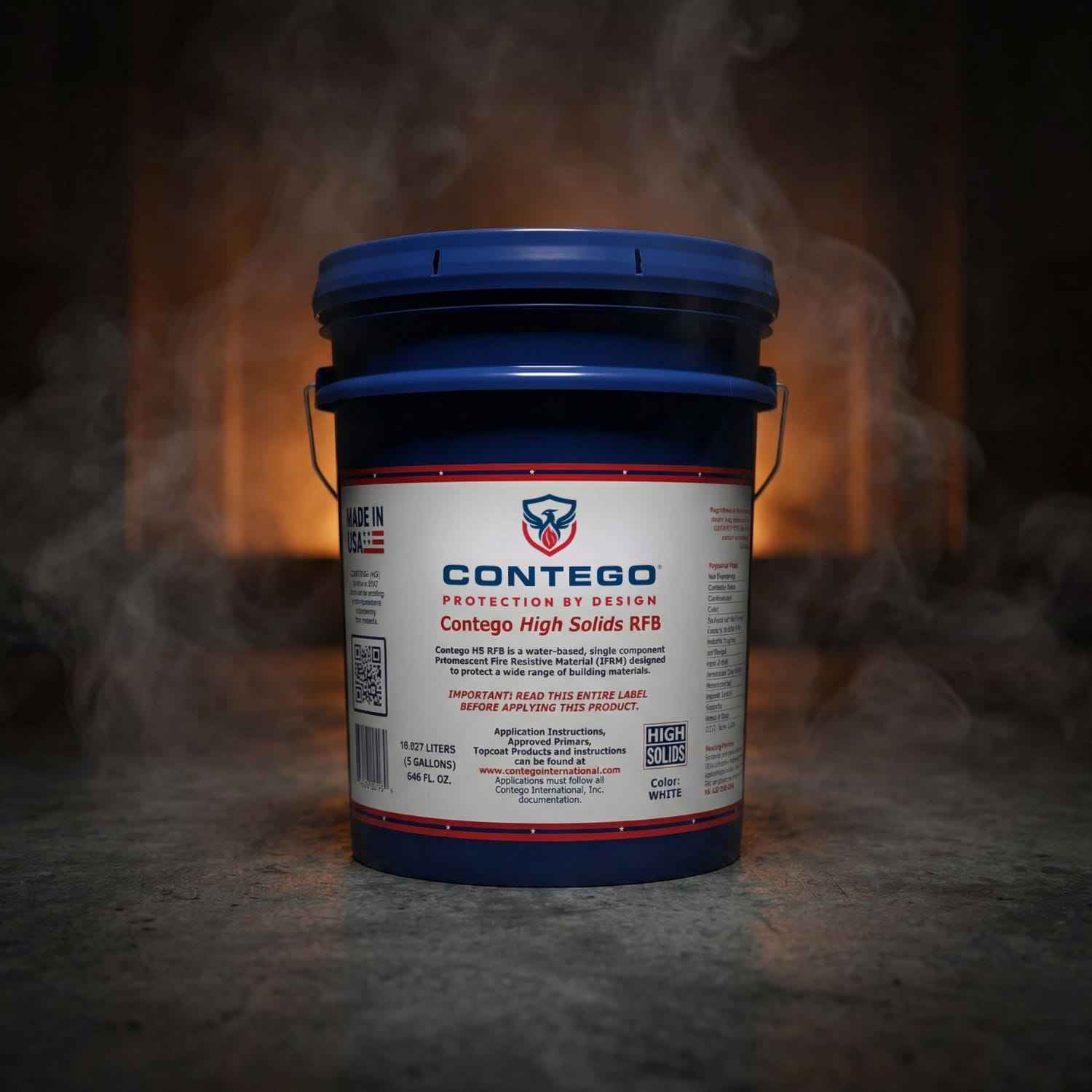
Contego High Solids
Recent Posts:
Two Solutions, One Purpose.
Fire Protection That Performs
Contego offers two distinct reactive coating technologies: one engineered for fire-resistance ratings on structural steel, and another designed for flame spread reduction on combustible substrates.
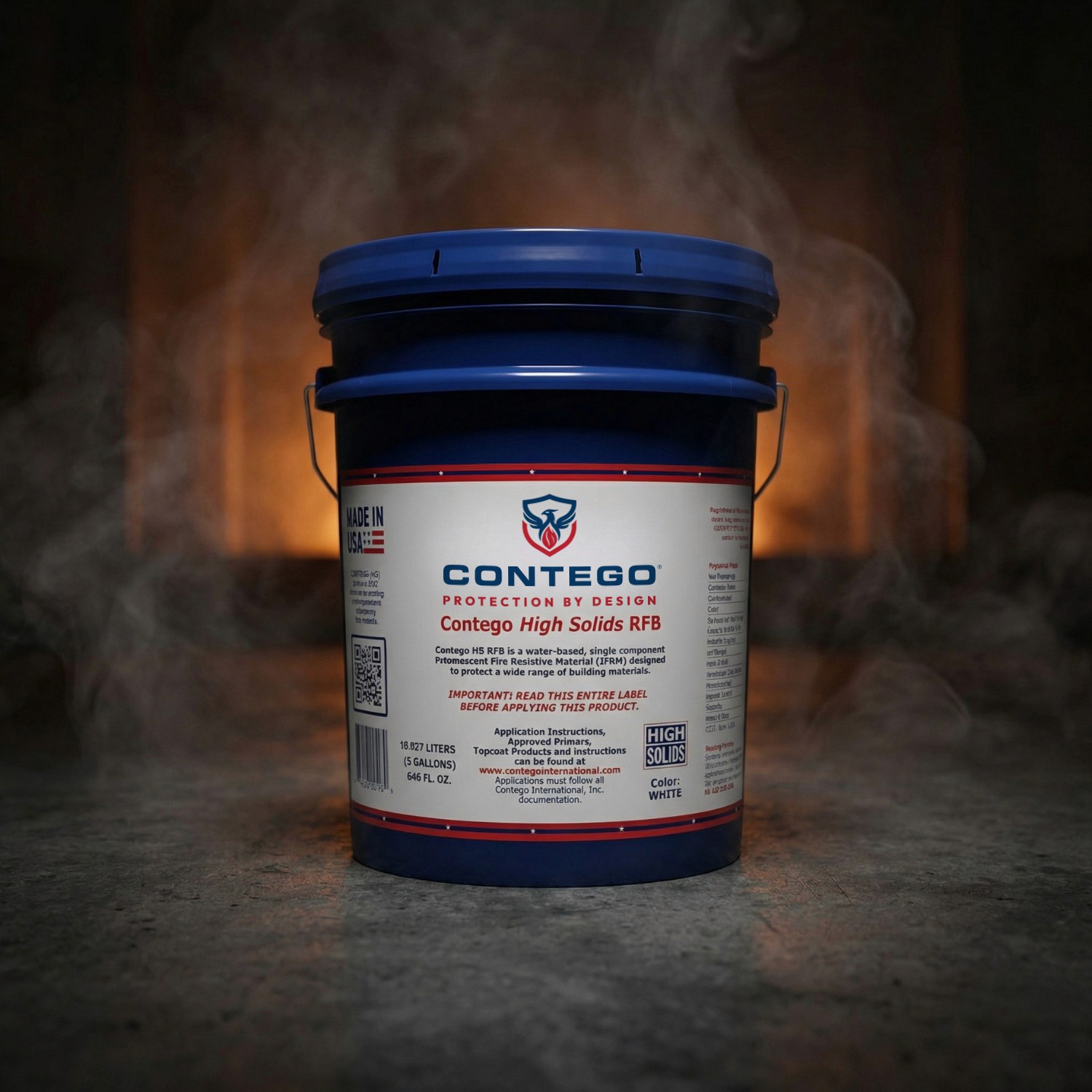
The Best in Fire Resistance
Thin-Film Intumescent Fire Protection for Structural Steel Contego listings protect a wide range of steel section factors, giving engineers greater flexibility across different structural shapes.
Key benefits:
Thin-Film Fire Protection
Low DFT Requirements
Broad Section Factor Coverage (W/D)
LEED v4, v4.1, and v5 Support
Tested Up to 3-Hour Ratings
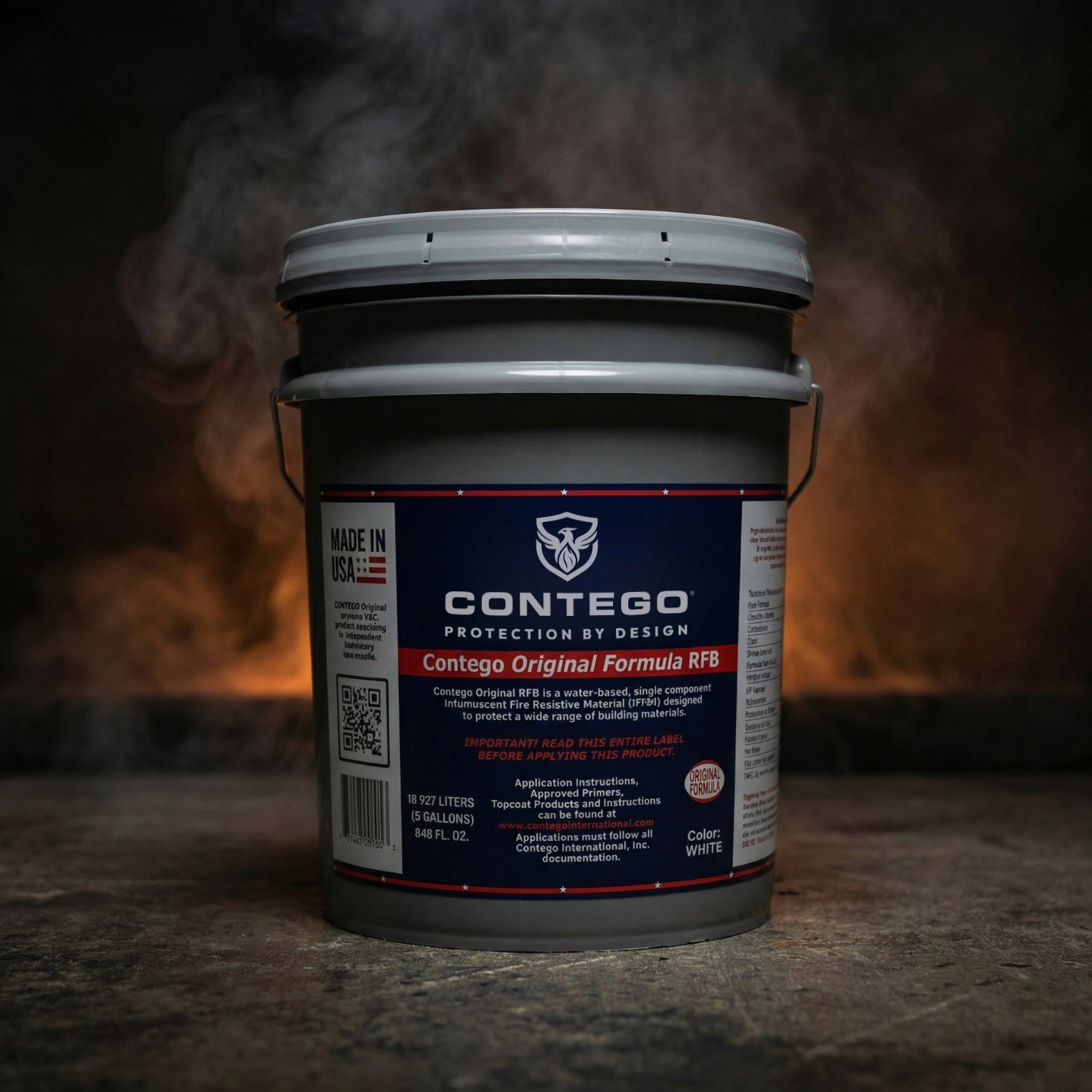
The Best in Fire Retardants
Fire Retardant Protection for Interior Building Materials Designed to improve the surface burning performance of common interior materials such as wood, foam, and SIP panels.
Key benefits:
Class A Fire Retardant Performance
Protects Multiple Interior Substrates
Smooth Architectural Finish
Zero VOC / Non-Toxic
Economical Fire Protection