

Questioning Fire Rated Coatings for Exposed Structural Steel
Jun 22, 2026
Understanding the Three Types of Fire Protection Coatings
The terms fire retardant coating, fire resistive coating, and heat resistant coating are often used interchangeably. While they may sound similar, they serve very different purposes and are tested to different standards.
Choosing the wrong coating because of confusing terminology can lead to specification errors, failed inspections, unnecessary costs, and—in the worst case—a fire protection system that doesn't perform as intended.
Whether you're an architect, structural engineer, contractor, building owner, or code official, understanding these differences is essential when selecting a coating for structural steel or other building materials.
This guide explains what each type of coating does, how they're tested, where they're used, and how to determine which solution is appropriate for your project.
Fire Retardant Coatings: Slowing Flame Spread
A fire retardant coating is designed to reduce how quickly flames spread across combustible materials. These coatings are commonly applied to wood, plywood, OSB, MDF, drywall paper, and other combustible building products.
Their primary purpose is to:
Reduce flame spread
Reduce smoke development
Delay ignition
Help combustible materials meet building code requirements
Fire retardant coatings are commonly evaluated using ASTM E84 (UL 723), which measures Flame Spread Index (FSI) and Smoke Developed Index (SDI).
A fire retardant coating does not provide an hourly fire-resistance rating for structural steel. Instead, it improves the fire performance of combustible materials by slowing the spread of fire across their surface.
Typical applications include:
Exposed wood ceilings
Decorative wood features
Plywood wall panels
OSB sheathing
Mass timber components
Historic wood restoration
Interior finish materials
Fire Resistive Coatings: Protecting Structural Steel
A fire resistive coating serves a completely different purpose.
Rather than slowing flame spread, fire resistive coatings are designed to maintain the structural integrity of steel during a fire.
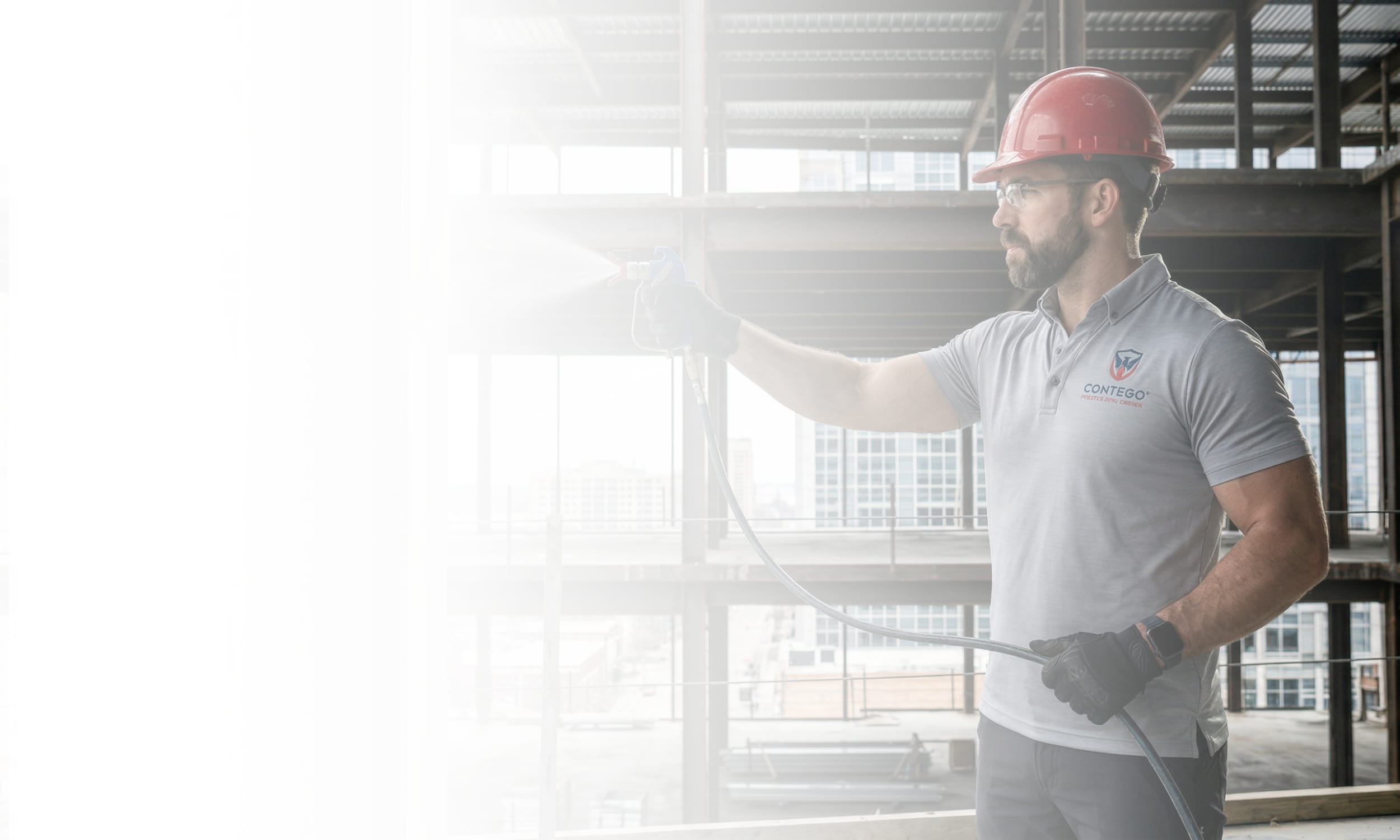
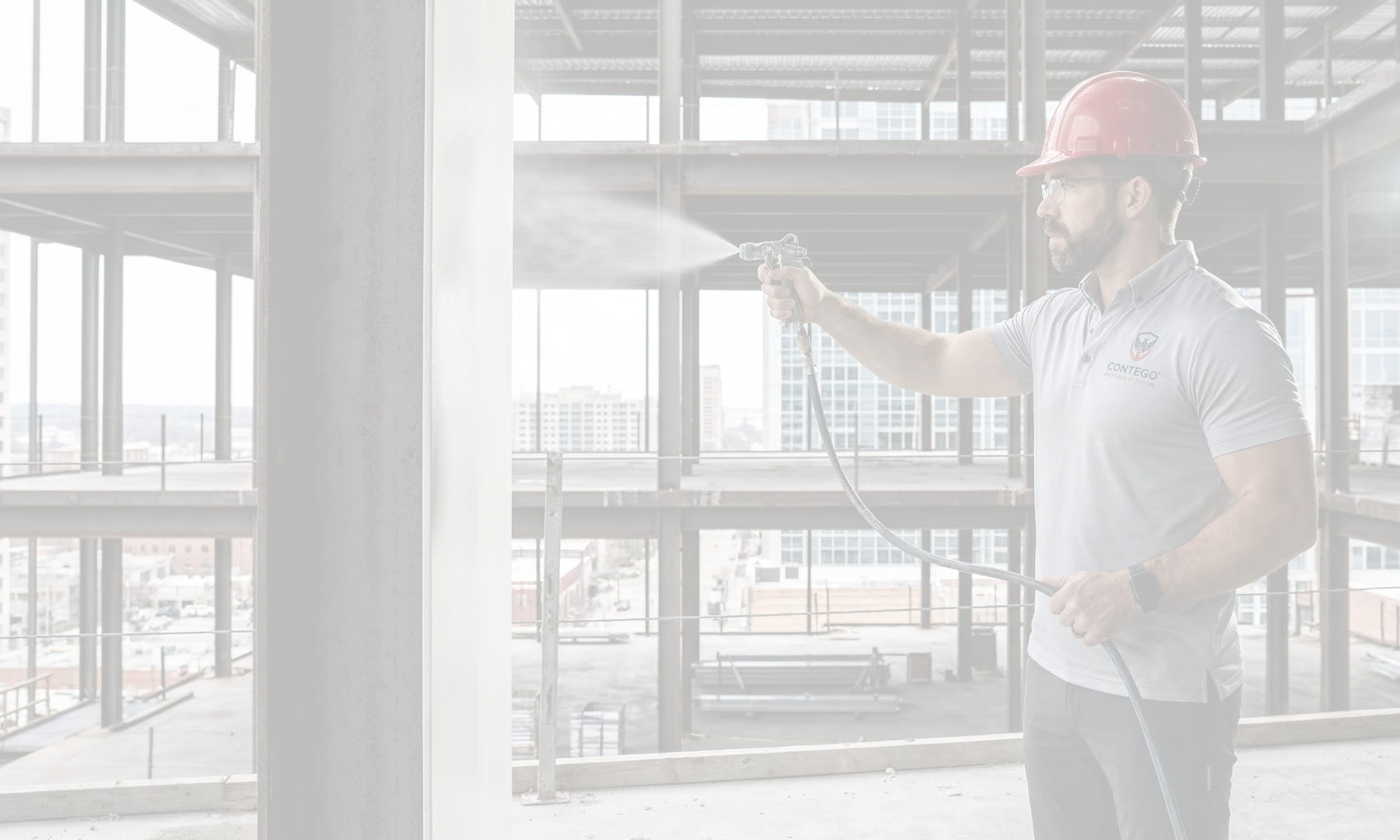
Most fire resistive coatings for exposed structural steel are thin-film intumescent coatings. When exposed to high temperatures, these coatings expand many times their original thickness to create an insulating char layer that slows heat transfer into the steel.
This insulation helps keep the steel below its critical temperature long enough for occupants to evacuate and firefighters to respond.
Fire resistive coatings are typically tested as part of complete structural assemblies using standards such as:
ASTM E119
UL 263
Published UL and Intertek fire-resistance listings identify:
Fire-resistance rating
Beam and column types
Required dry film thickness (DFT)
Section factor limitations
Approved primers
Compatible topcoats
Installation requirements
Unlike fire retardant coatings, fire resistive coatings provide hourly fire-resistance ratings such as:
1 Hour
2 Hour
3 Hour
4 Hour
Common applications include:
Commercial buildings
Schools
Hospitals
Airports
Stadiums
Warehouses
Manufacturing facilities
High-rise construction
When exposed structural steel is part of the architectural design, intumescent fire resistive coatings provide both life safety and an attractive finish that allows the steel to remain visible.
Heat Resistant Coatings: Built for Continuous High Temperatures
A heat resistant coating is designed for equipment that operates at elevated temperatures during normal service—not during a building fire.
These coatings protect equipment from continuous or intermittent heat exposure and are commonly found on:
Exhaust systems
Industrial furnaces
Boilers
Stacks
Chimneys
Engines
Process piping
Manufacturing equipment
Heat resistant coatings are formulated to withstand high operating temperatures without degrading, discoloring, or losing adhesion.
Although they tolerate high temperatures, they are not designed to provide fire-resistance ratings for structural steel.
Likewise, an intumescent fire resistive coating should not be expected to serve as a continuous high-temperature service coating.
These products solve different problems and should never be considered interchangeable.
Why the Differences Matter
One of the most common mistakes during specification is assuming that every "fire-rated" coating performs the same function.
In reality, each coating addresses a different objective.
A fire retardant coating helps reduce flame spread across combustible materials.
A fire resistive coating protects structural steel by delaying temperature rise during a fire.
A heat resistant coating protects equipment operating at elevated temperatures during everyday use.
Selecting the wrong product may satisfy one performance requirement while completely missing another.
For example:
A Class A fire retardant coating applied to wood does not create a 2-hour fire-resistance assembly.
A heat resistant coating on structural steel does not satisfy ASTM E119 or UL 263 requirements.
An intumescent fire resistive coating is not intended for continuous exposure to extreme operating temperatures on industrial equipment.
Understanding these distinctions early in the design process helps prevent costly specification revisions and field corrections.
How to Choose the Right Coating
Before selecting any fire protection coating, ask several important questions.
What material is being protected?
Structural steel
Wood
Concrete
Industrial equipment
Mechanical systems
What is the performance objective?
Reduce flame spread?
Achieve a 1-, 2-, or 3-hour fire rating?
Protect against continuous operating temperatures?
Which testing standard applies?
Examples include:
ASTM E84 / UL 723
ASTM E119
UL 263
Does the product have published third-party listings?
Look for current UL or Intertek listings that match the intended application.
Are compatible primers and topcoats identified?
Published listings and manufacturer instructions should clearly identify approved systems.
Choosing the correct coating begins with understanding the building code requirements—not simply selecting a product labeled "fire-rated."
Passive Fire Protection Starts With Proper Specification
Fire protection systems are only as effective as the specifications behind them.
Whether your project involves exposed structural steel, architectural wood, or specialized industrial equipment, selecting the proper coating requires understanding exactly what the product was designed and tested to do.
Fire retardant, fire resistive, and heat resistant coatings each play important roles in construction and industrial applications—but they are not interchangeable.
Taking the time to understand the differences leads to better specifications, smoother inspections, and safer buildings.
At Contego International, we manufacture high-performance fire protection coatings designed for passive fire protection applications. Our technical team works directly with architects, engineers, contractors, and owners to help identify the appropriate coating system, interpret published UL and Intertek listings, determine required dry film thickness, and support projects from specification through final inspection.
Choose the Right Fire Protection System
Whether you're specifying a fire retardant coating for combustible materials or a fire resistive intumescent coating for exposed structural steel, selecting the right product starts with understanding the required performance—not simply the product name.
If you have questions about your project, the Contego International team is ready to help. We'll provide technical guidance, published documentation, and project-specific recommendations to help you select the right passive fire protection solution with confidence.
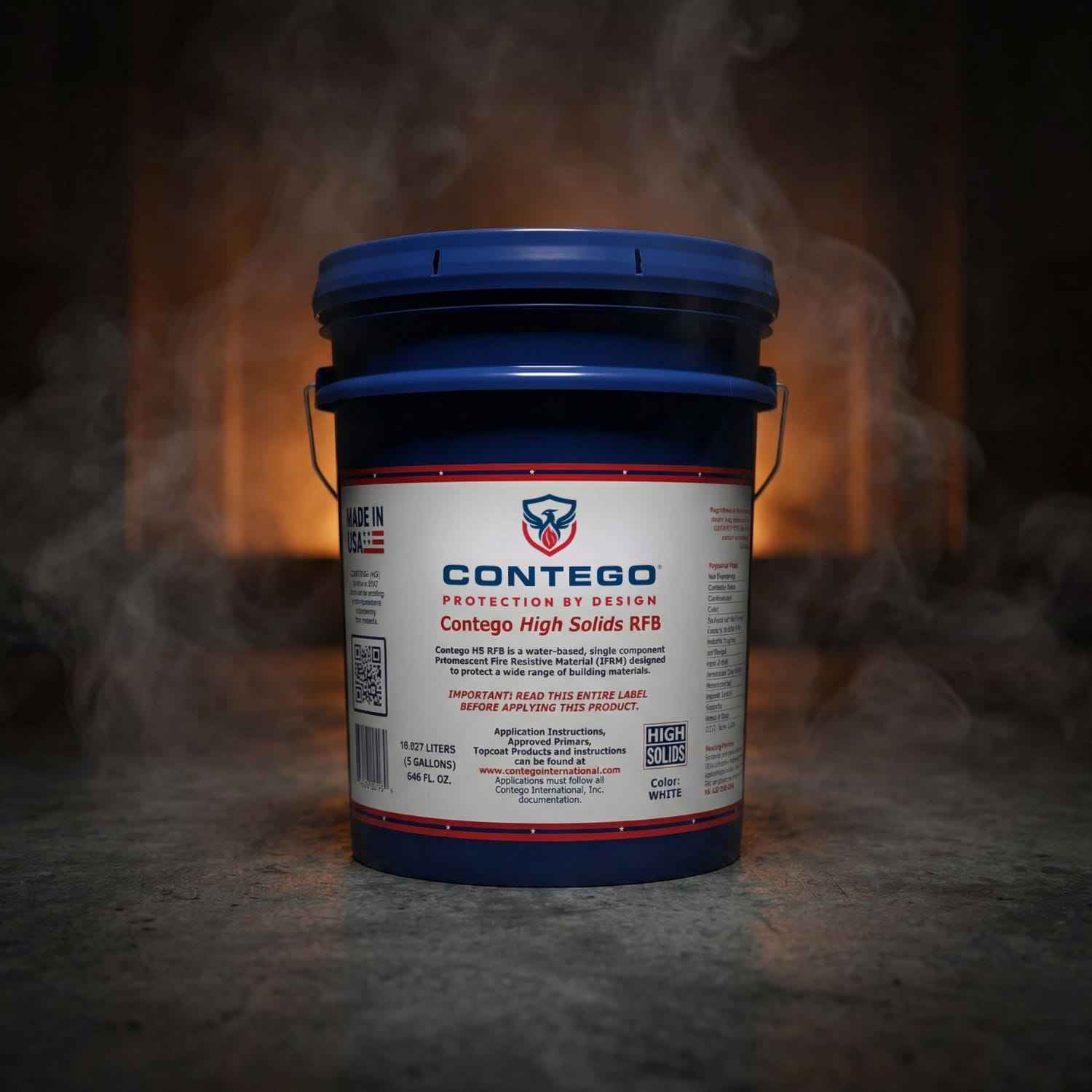
Contego High Solids
Recent Posts:
Two Solutions, One Purpose.
Fire Protection That Performs
Contego offers two distinct reactive coating technologies: one engineered for fire-resistance ratings on structural steel, and another designed for flame spread reduction on combustible substrates.
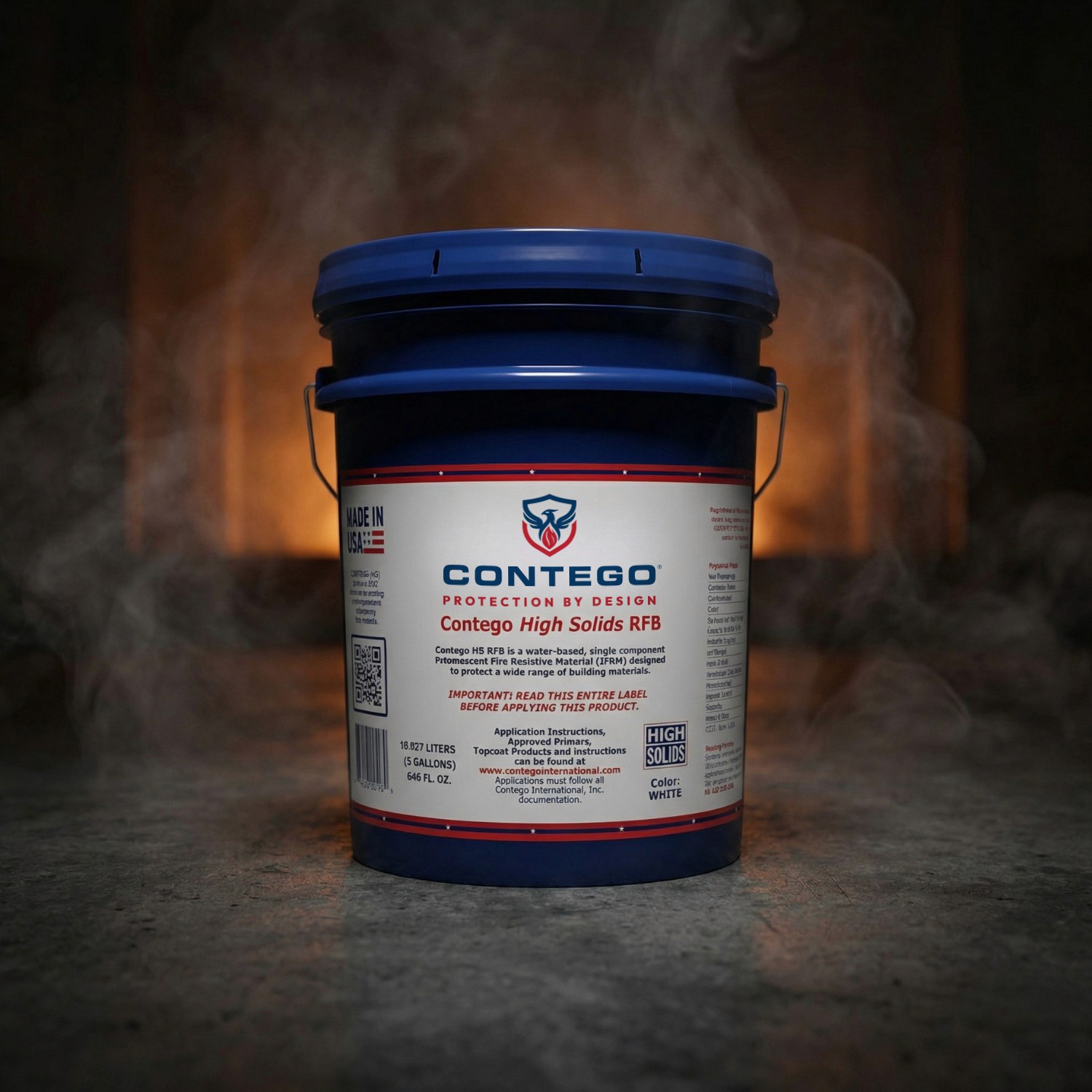
The Best in Fire Resistance
Thin-Film Intumescent Fire Protection for Structural Steel Contego listings protect a wide range of steel section factors, giving engineers greater flexibility across different structural shapes.
Key benefits:
Thin-Film Fire Protection
Low DFT Requirements
Broad Section Factor Coverage (W/D)
LEED v4, v4.1, and v5 Support
Tested Up to 3-Hour Ratings
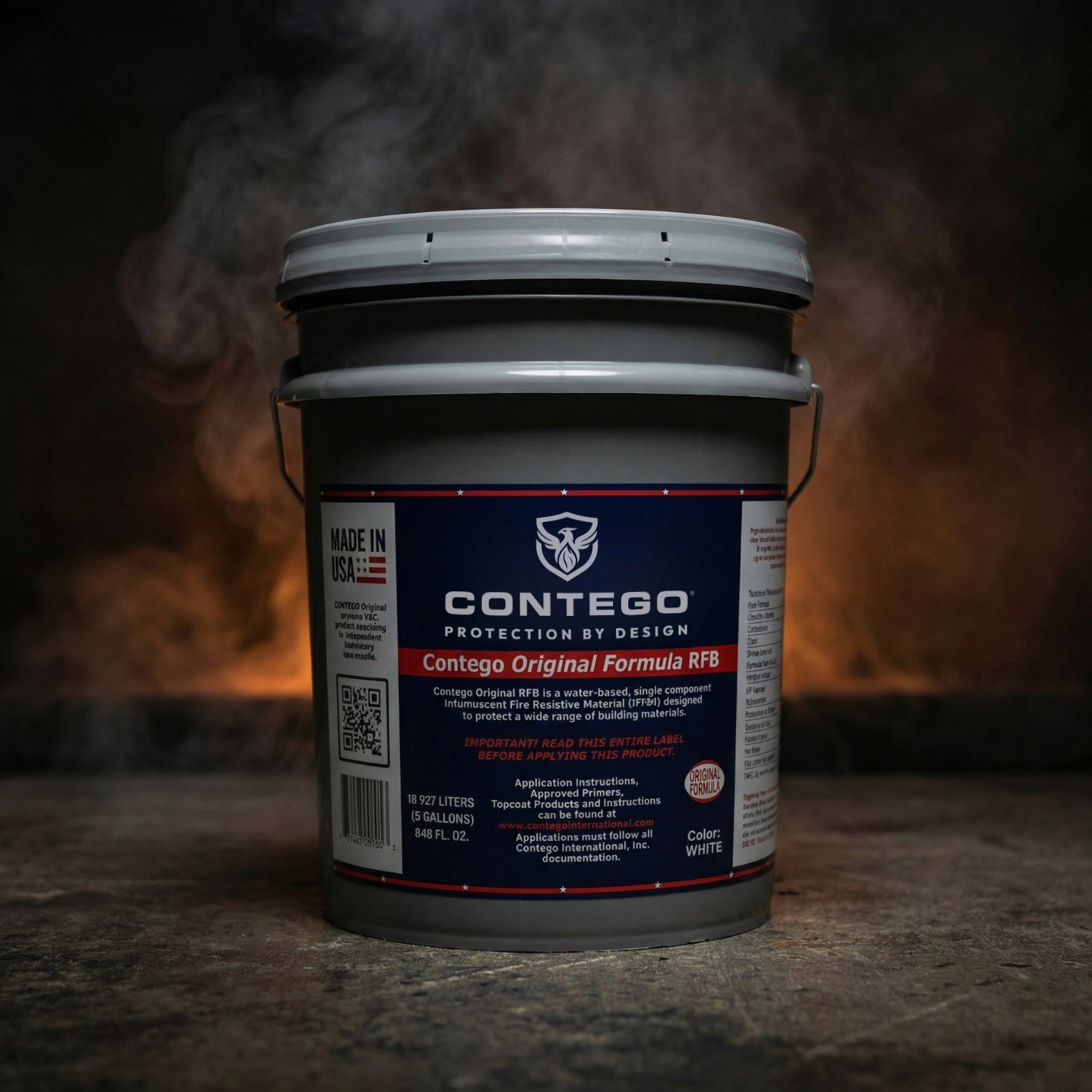
The Best in Fire Retardants
Fire Retardant Protection for Interior Building Materials Designed to improve the surface burning performance of common interior materials such as wood, foam, and SIP panels.
Key benefits:
Class A Fire Retardant Performance
Protects Multiple Interior Substrates
Smooth Architectural Finish
Zero VOC / Non-Toxic
Economical Fire Protection