

Understanding Thin Film Fireproofing for Exposed Steel
May 4, 2026
Why Thin Film Fireproofing Matters for Exposed Steel
Thin film fireproofing lets design teams keep the clean, expressive look of exposed structural steel without sacrificing fire safety. As open floor plans, long spans, and industrial-style interiors have become more common, unprotected steel has moved from the shadows into full view, which means its fire performance is now a visible design issue, not just an engineering detail.
The challenge is simple but serious. When exposed to fire, steel can heat rapidly and lose much of its load-bearing strength in a short period of time. Once temperatures climb, beams, columns, and connections can begin to deform, and the structure is at real risk long before flames reach other parts of the building. Thin film fireproofing addresses that risk by wrapping the steel in a high-performance, low-profile protective layer that is designed to stay as visually discreet as possible.
As a manufacturer of passive fire protection coatings based in the United States and serving projects worldwide, we at Contego International see thin film systems as part of a broader fire strategy. They sit alongside compartmentation, detection, and suppression systems, giving architects, engineers, and contractors a tool that supports both performance and design intent.
What Thin-Film Fireproofing Is and How It Works
Thin film fireproofing is a class of passive fire protection coatings, most often based on intumescent technology, applied directly to structural steel or other building materials at relatively low thicknesses. Under ambient conditions, these coatings look and feel like conventional paint systems, following the profile of beams, columns, and braces.
Under fire exposure, the chemistry changes. Intumescent coatings are formulated to react to heat, expanding many times their original thickness to create a stable, insulating char. This char layer slows heat transfer to the steel, helping keep temperatures below critical thresholds for a specified period of time.
A typical thin film system is more than a single coat. It usually consists of:
A compatible primer for adhesion and corrosion protection
An intumescent basecoat that provides the fire resistance
An optional topcoat to provide color, gloss, and added durability
Each layer has a specific role, and the system is tested as a whole. Performance is confirmed through standardized fire-resistance tests and listed assemblies, so when a coating is specified for a 1-hour, 2-hour, or 3-hour rating on a defined steel section, the design team knows what to expect, as long as the system is applied correctly.
Key Advantages for Exposed Structural Steel
For projects where the steel structure is part of the visual language of the building, thin film fireproofing offers clear advantages. First is aesthetic freedom. Because the coating closely follows the steel profile, it keeps the sharp lines and junctions that architects work hard to detail. Beams, columns, trusses, and braces can remain visible instead of being buried behind bulky coverings.
Thin film systems also help save space and weight compared with many traditional spray-applied fire-resistive materials or board encasements. In tight floor-to-ceiling situations, every millimeter of additional thickness matters for clear heights and coordination with mechanical, electrical, and plumbing systems. Lighter protection can also support broader structural and foundation strategies.
Another benefit is design flexibility. With appropriate topcoats, thin film fireproofing can be integrated into the overall color and finish palette. Depending on the system and project requirements, this might mean matching corporate brand colors, toning down steel to recede into the background, or highlighting specific elements with contrasting shades.
Durability and maintenance also become easier with the right system. When topcoated correctly, thin film coatings can offer resistance to normal construction handling, minor abrasion, and day-to-day wear. That helps limit repair work during fit-out and simplifies touch-ups across the life of the building.
Specifying Thin Film Fireproofing in Real Projects
Getting thin film fireproofing right starts with understanding the fire rating requirements. Codes and standards set minimum structural fire-resistance ratings based on construction type, occupancy group, and use. Design teams then select coatings and thicknesses that have been tested to satisfy those ratings for the relevant steel sections.
A key concept in these designs is the section factor, sometimes referred to as Hp/A, which relates the heated perimeter of a member to its cross-sectional area. Members with high section factors generally heat faster and need thicker intumescent layers to achieve a given fire rating. Loading conditions, orientation, and whether a member is protected on all sides also influence required thickness.
Environmental and service conditions matter as well. Interior occupancies have different demands than partially exposed or exterior conditions. Humidity, condensation risk, and any chemical exposure should be considered when selecting primers and topcoats so that the fire protection layer is supported by a durable coating system.
Because so many disciplines are involved, coordination is essential. The most successful projects tend to involve early conversations among architects, structural engineers, fire protection engineers, and coating manufacturers. Aligning tested assemblies, steel sizes, finish requirements, and construction logistics early helps avoid rework and surprises later.
Application Best Practices for Reliable Performance
Even the best-tested system can underperform if application is not handled correctly. It starts with surface preparation. Steel should be cleaned of oil, dirt, and loose material, and mill scale or rust should be addressed to achieve the surface condition required by the primer and intumescent manufacturer. A compatible primer is critical for adhesion and long-term stability.
Application methods vary by project but typically include:
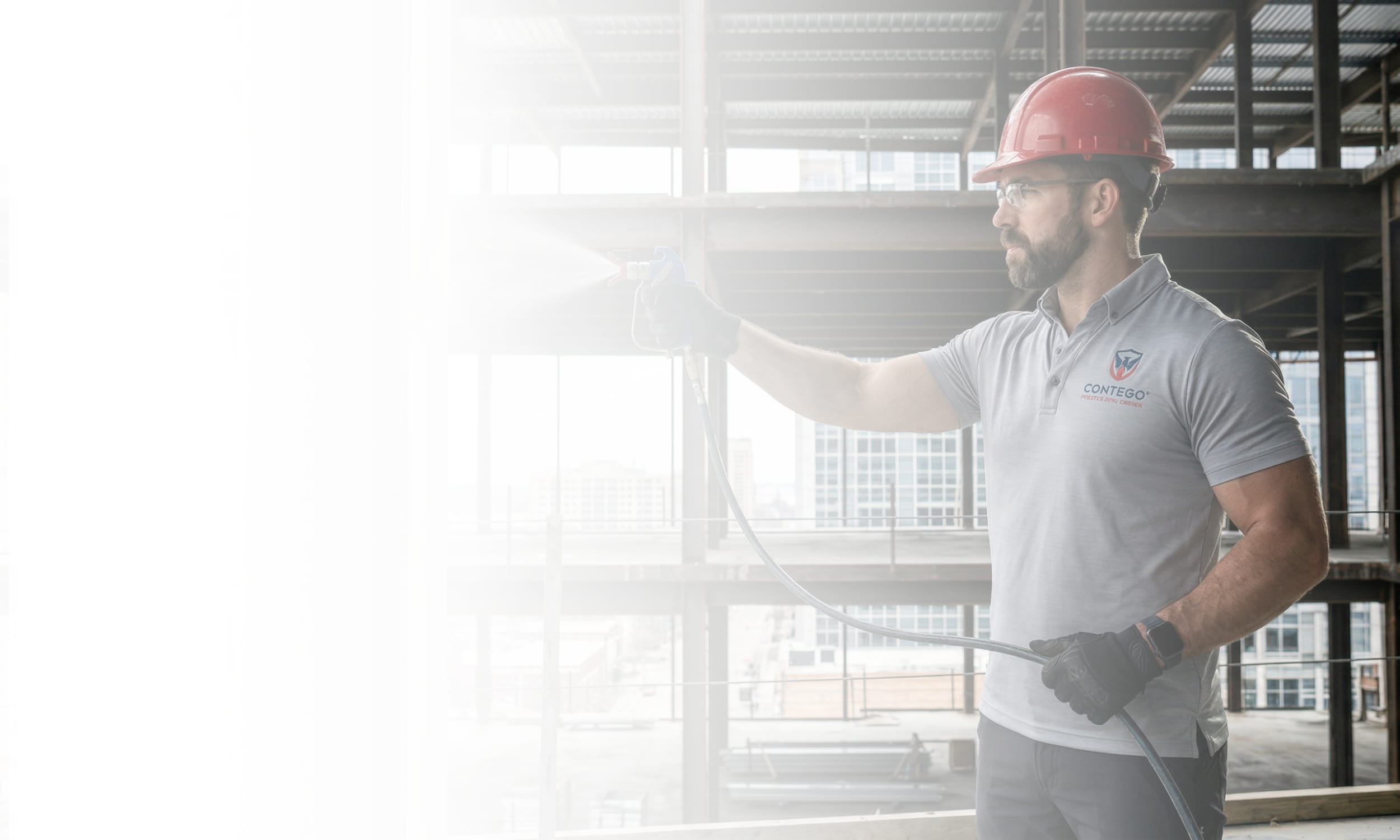
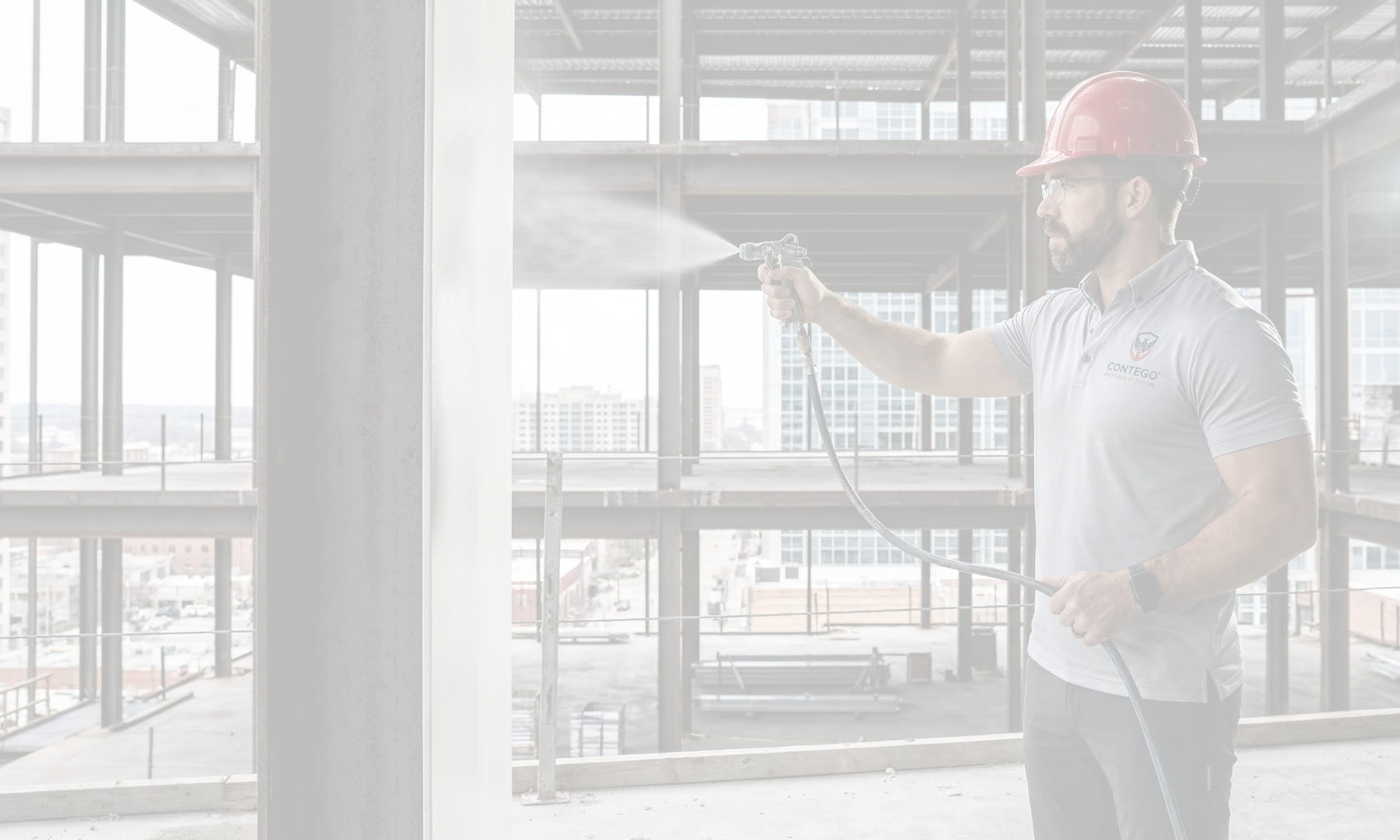
Airless spray for speed and uniform coverage on large areas
Brush work for edges, details, and touch-ups
Rollers for smaller members or limited access zones
Regardless of method, wet and dry film thickness checks are essential. Trained applicators measure thickness at multiple points to make sure the specified intumescent build is actually achieved in the field.
Construction sequencing has to be planned too. Some projects coat steel at the fabricator’s facility, others after erection, and many use a combination of shop and field work. Protecting freshly applied coatings during transport and installation, and having clear procedures for repairing any damage, keeps the system performing as designed.
Documentation and inspection round out best practice. Application records, batch information, environmental conditions during coating, and inspection reports help satisfy project quality requirements and support approvals from authorities having jurisdiction.
Comparing Thin Film Fireproofing to Other Solutions
Thin film systems are one of several options for fire protecting steel. Compared with spray-applied fire-resistive materials, they generally offer a smoother, more architectural finish and significantly lower build. That can make them the preferred choice in exposed areas where appearance and clean detailing matter most. Traditional sprays may still be appropriate where steel is hidden and aesthetics are less of a concern.
Board or concrete encasements create a very different look. They change the apparent size and shape of the steel, can be slower to install in complex connection areas, and may require additional trim or finishing. In contrast, thin film coatings follow the geometry of the member and can simplify coordination with other trades around brackets, penetrations, and stiffeners.
From a cost and lifecycle perspective, the material cost per square foot for thin film fireproofing can be higher than some alternatives, but that does not tell the whole story. Potential savings can arise from reduced space requirements, faster finishing, and durability that supports a long service life with manageable maintenance.
Finally, thin film systems can support broader building performance goals. Lighter, more efficient use of materials and long-lasting protective layers can help owners and design teams pursue durability and resource-conscious design without sacrificing the expressive use of structural steel.
Planning Your Next Project with Thin Film Fireproofing
When fire safety and exposed steel are both non-negotiable, thin film fireproofing gives design teams a way to align structure, aesthetics, and performance. Integrating fire protection considerations early in the design process makes it easier to choose appropriate systems, coordinate steel sizes and finishes, and avoid last-minute compromises.
As a manufacturer of intumescent and passive fire protection coatings, we at Contego International work closely with architects, specifiers, and construction professionals to support that process. Reviewing technical data sheets, confirming tested assemblies, and bringing in experienced applicators at the right stage of the project can go a long way toward ensuring that the finished building looks the way it was drawn and performs the way it was designed.
Protect Your Building With Proven Fireproofing Solutions
Choosing the right fire protection system is critical, and our thin film fireproofing solutions are designed to help you meet code requirements while preserving your design. At Contego International, we work with your team to recommend products and application methods that match your schedule, budget, and performance goals. If you are ready to review specifications or discuss an upcoming project, contact us so we can help you move forward with confidence.
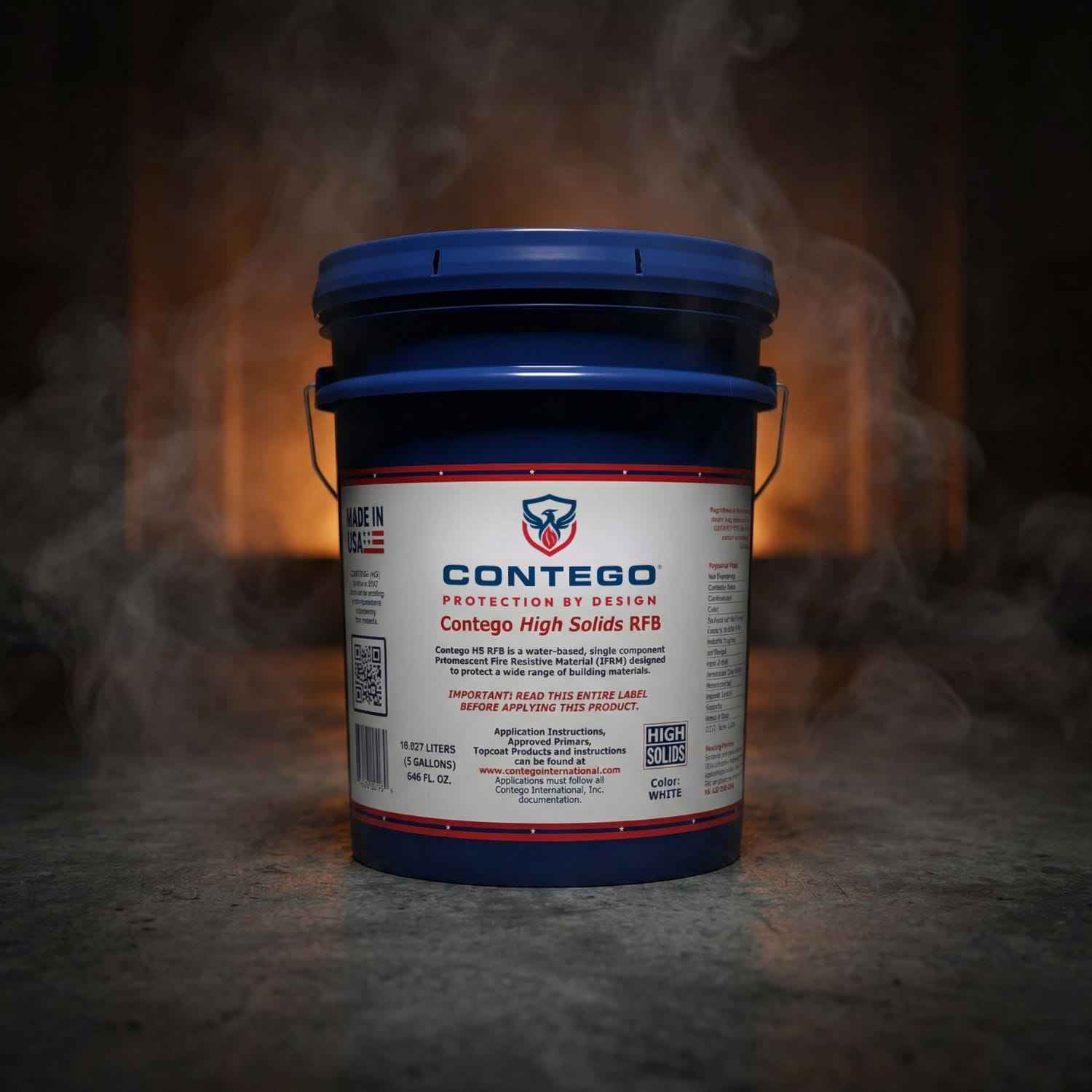
Contego High Solids
Recent Posts:
Two Solutions, One Purpose.
Fire Protection That Performs
Contego offers two distinct reactive coating technologies: one engineered for fire-resistance ratings on structural steel, and another designed for flame spread reduction on combustible substrates.
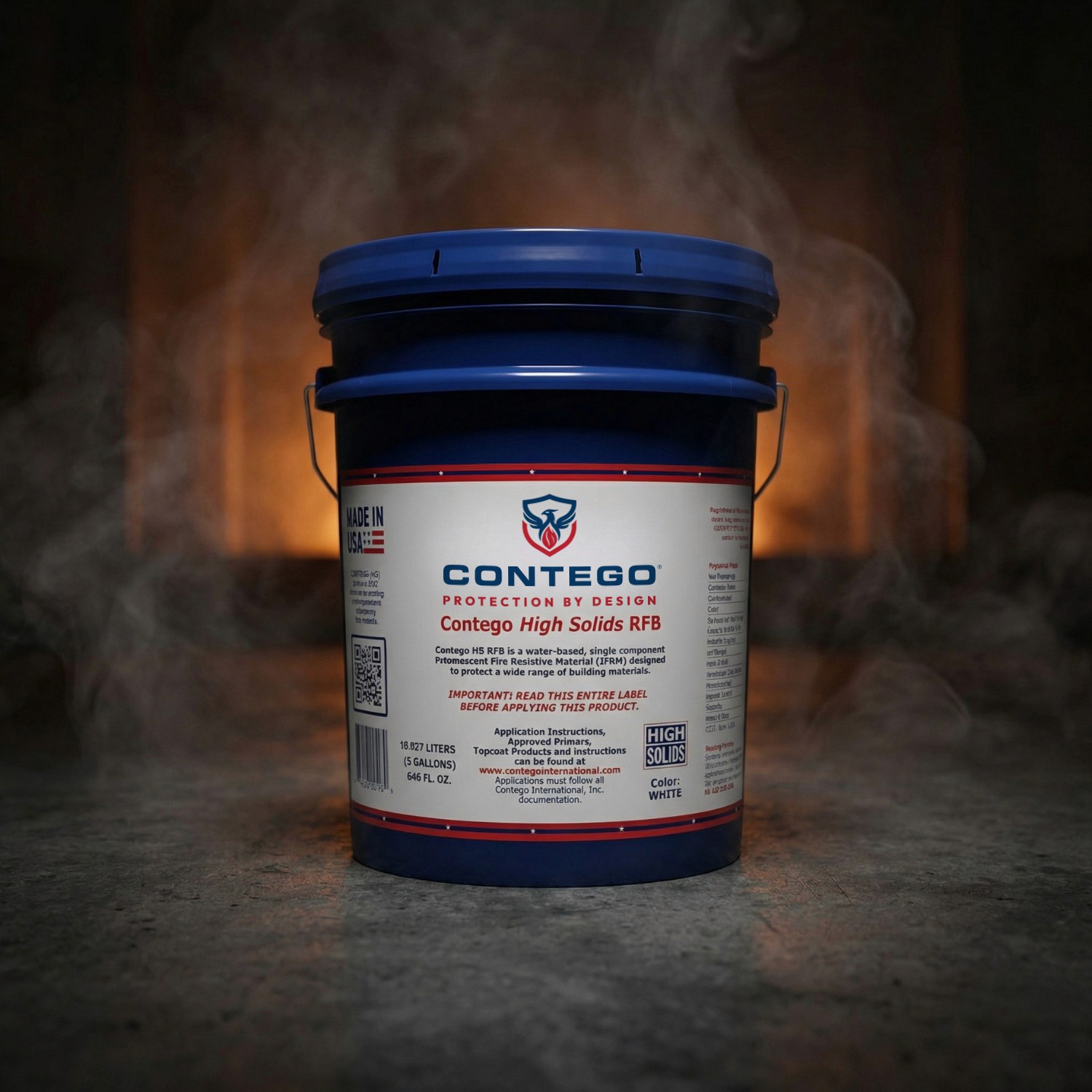
The Best in Fire Resistance
Thin-Film Intumescent Fire Protection for Structural Steel Contego listings protect a wide range of steel section factors, giving engineers greater flexibility across different structural shapes.
Key benefits:
Thin-Film Fire Protection
Low DFT Requirements
Broad Section Factor Coverage (W/D)
LEED v4, v4.1, and v5 Support
Tested Up to 3-Hour Ratings
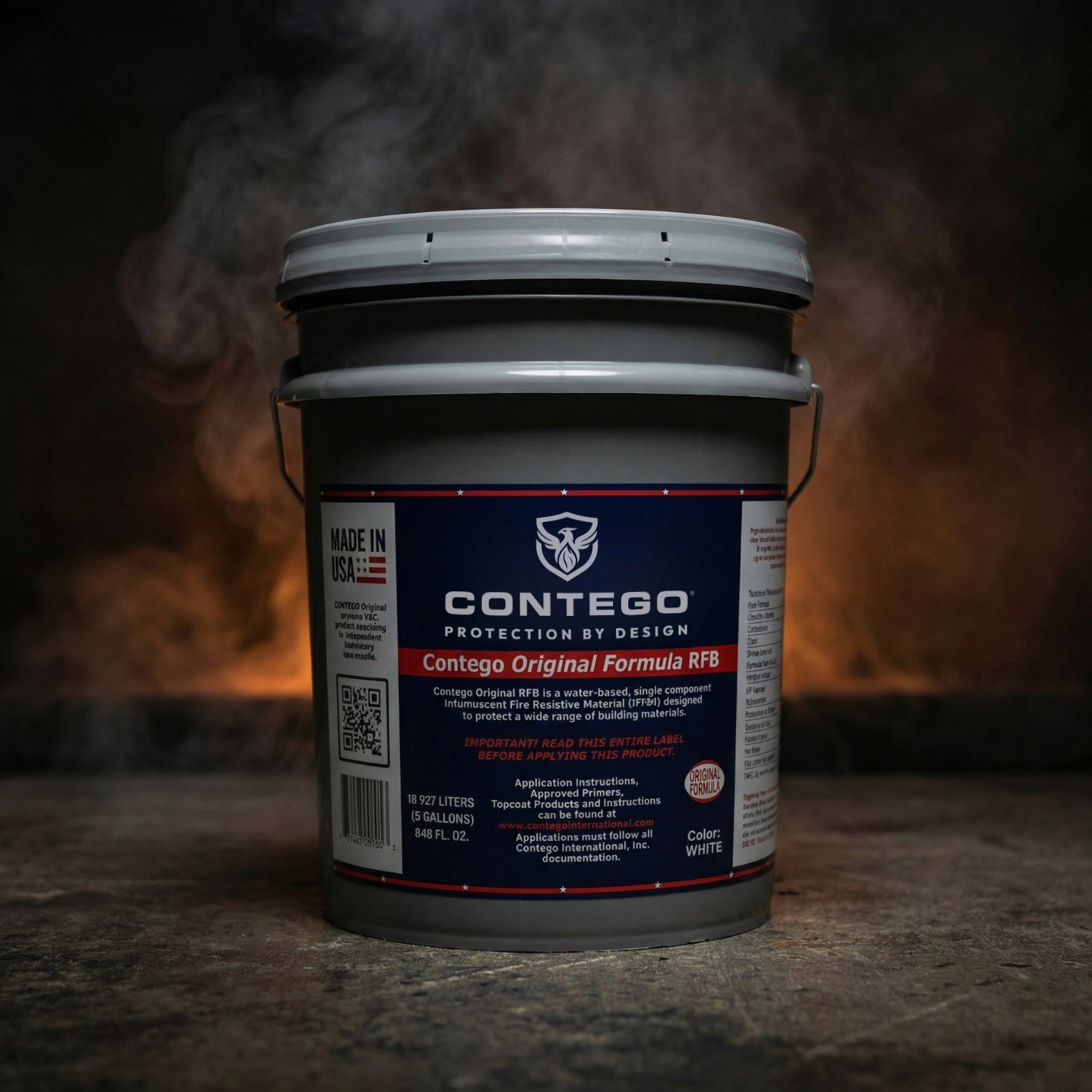
The Best in Fire Retardants
Fire Retardant Protection for Interior Building Materials Designed to improve the surface burning performance of common interior materials such as wood, foam, and SIP panels.
Key benefits:
Class A Fire Retardant Performance
Protects Multiple Interior Substrates
Smooth Architectural Finish
Zero VOC / Non-Toxic
Economical Fire Protection